Clinton County
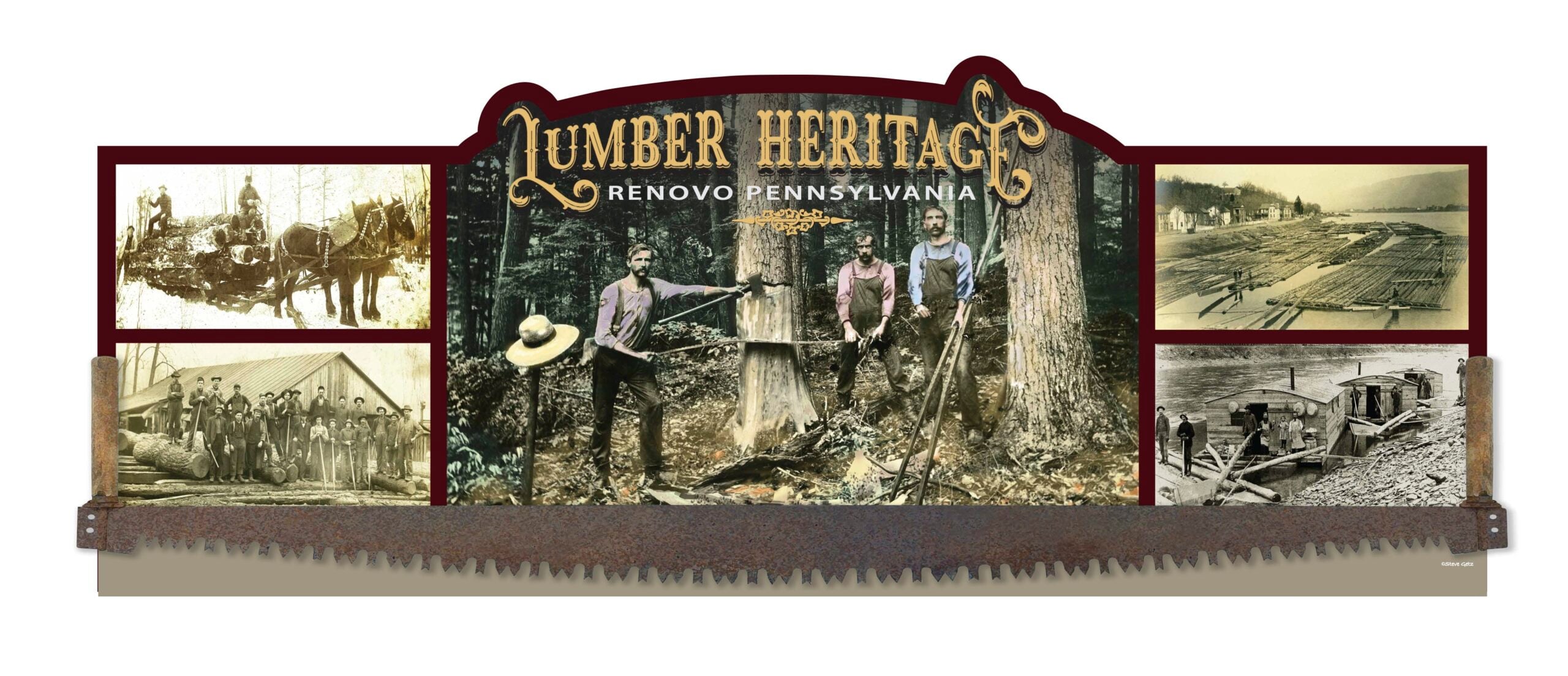
Greater Renovo Area Heritage Park – Carved in History: The Lumber Heritage Mural
Greater Renovo Area Heritage Park installed a Lumber Heritage Mural in the community of Renovo, PA honoring the community's heritage. Read more

Clinton County
Greater Renovo Area Heritage Park installed a Lumber Heritage Mural in the community of Renovo, PA honoring the community's heritage. Read more
Mini-Grants
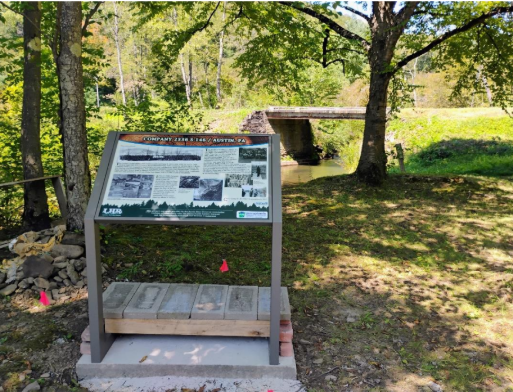
Austin Dam Memorial Association added new interpretive signage to the Austin Heritage Trail and Memorial Park honoring the nearby CCC Company 2336 S-146 who built the bridge that serves as the entrance to the park today. Read more
Elk County
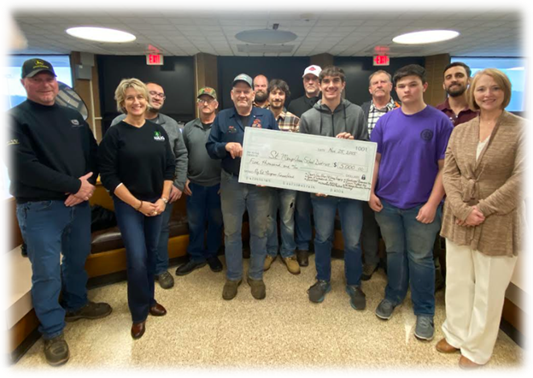
St Mary's Area School District expanded its Agricultural Education program. Read more
Centre County
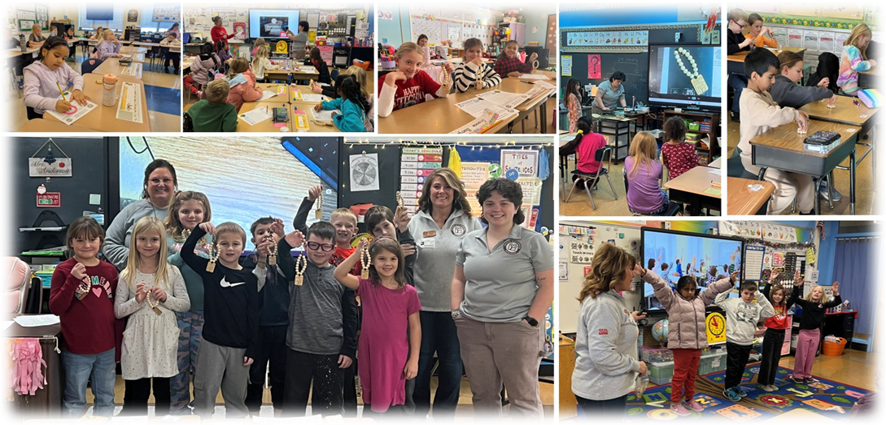
KWPA purchased materials that were used in classroom exercises that demonstrate wood products’ ability to store carbon. Read more

Clinton County
Castanea Township Recreation Committee installed an interpretive panel highlighting the connection of the Township to the Chestnut Tree. Read more

Clinton County
Clinton County installed a wayfinding sign along the Bald Eagle Valley Trail that connects the trail to its lumber-related histories and enhance visitor experiences. Read more

Cambria County
Redbank Valley Trails Association highlights lumber heritage along their trail with this interpretive panel honoring the legacy of Andrews Lumber Company. Read more

Clearfield County
DuBois Area Historical Society installed an interpretive panel honoring lumber heritage in the region and the legacy of Sidney Fuller. Read more

McKean County
The McKean County Historical Society completes another phase of restoration to the Prospect Hill Fire Tower, which is now accessible and open to the public in Smethport, PA. Read more

McKean County
The County of McKean highlight their county's heritage with the placement of two large welcome signs at the east and west entrances along U.S. Route 6 Read more
Heritage
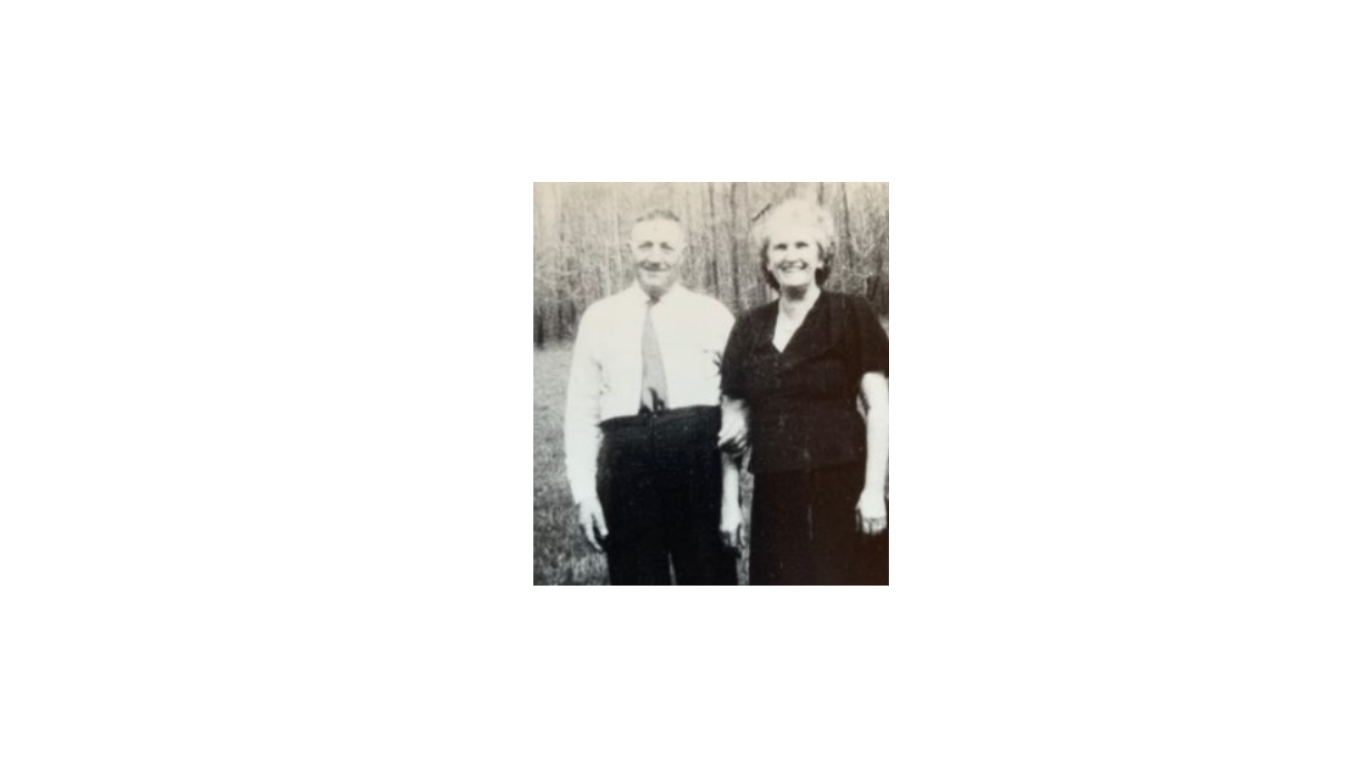
Barbara Novosel started a journey to join her husband, Nickola, that would bring her to the remote forests of Pennsylvania. Here they would build a life with their 12 children, leaving an enduring legacy. Read more
Wood On Glass
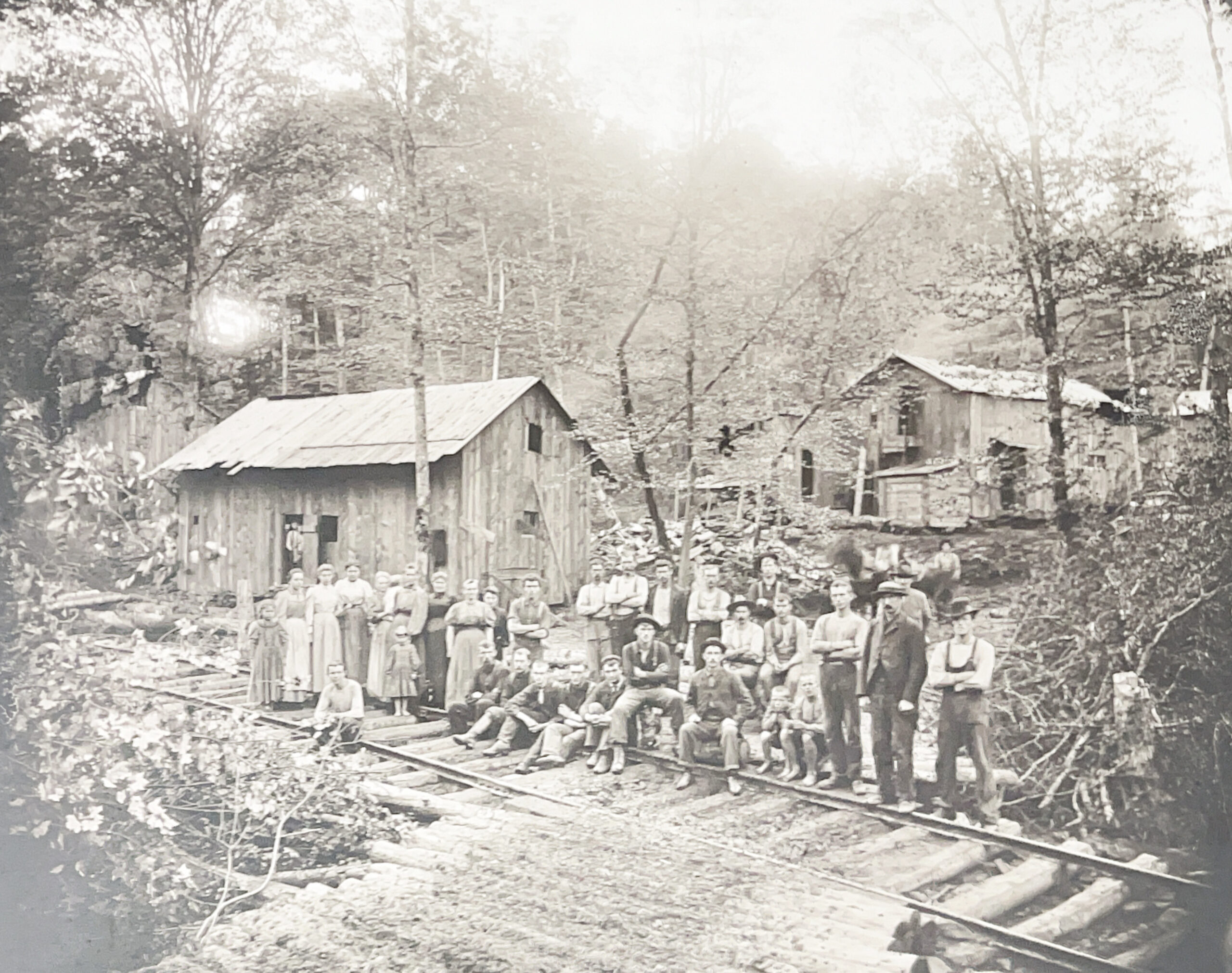
Goding’s camp is at the junction of a corduroy road and a rail line. Corduroy roads were built by placing small logs in parallel lines. This road was likely used by a timber hauling team to cross the railroad track. The area is now part of Susquehannock State Forest. According... Read more
Wood On Glass
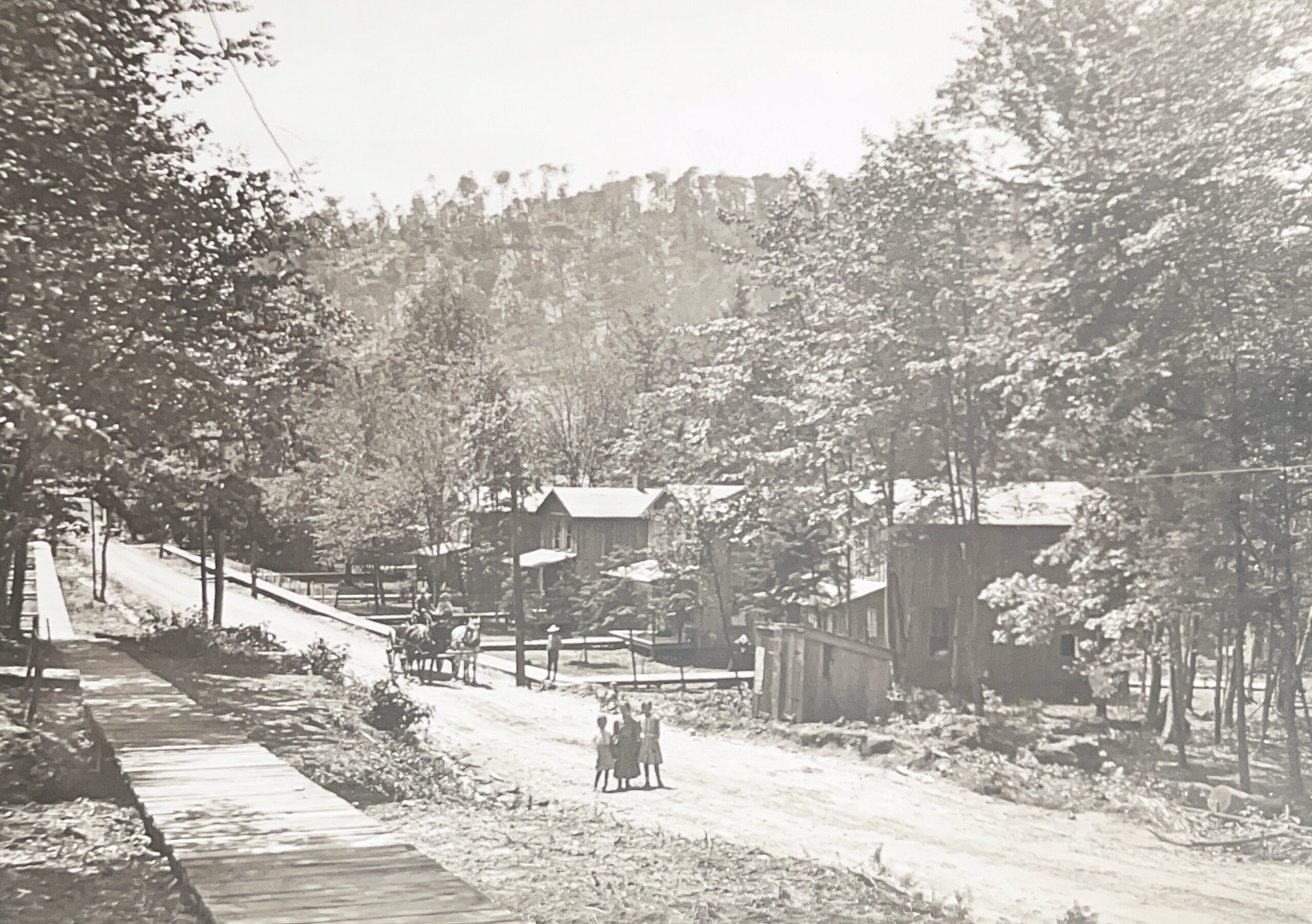
The Goodyear Lumber Company began building Norwich about 1910. This image of Main Street reveals what is probably typical of a small but prosperous lumber community of Pennsylvania early in the twentieth century. Norwich met its demise in 1921, when trees in the area were deplet... Read more
Wood On Glass
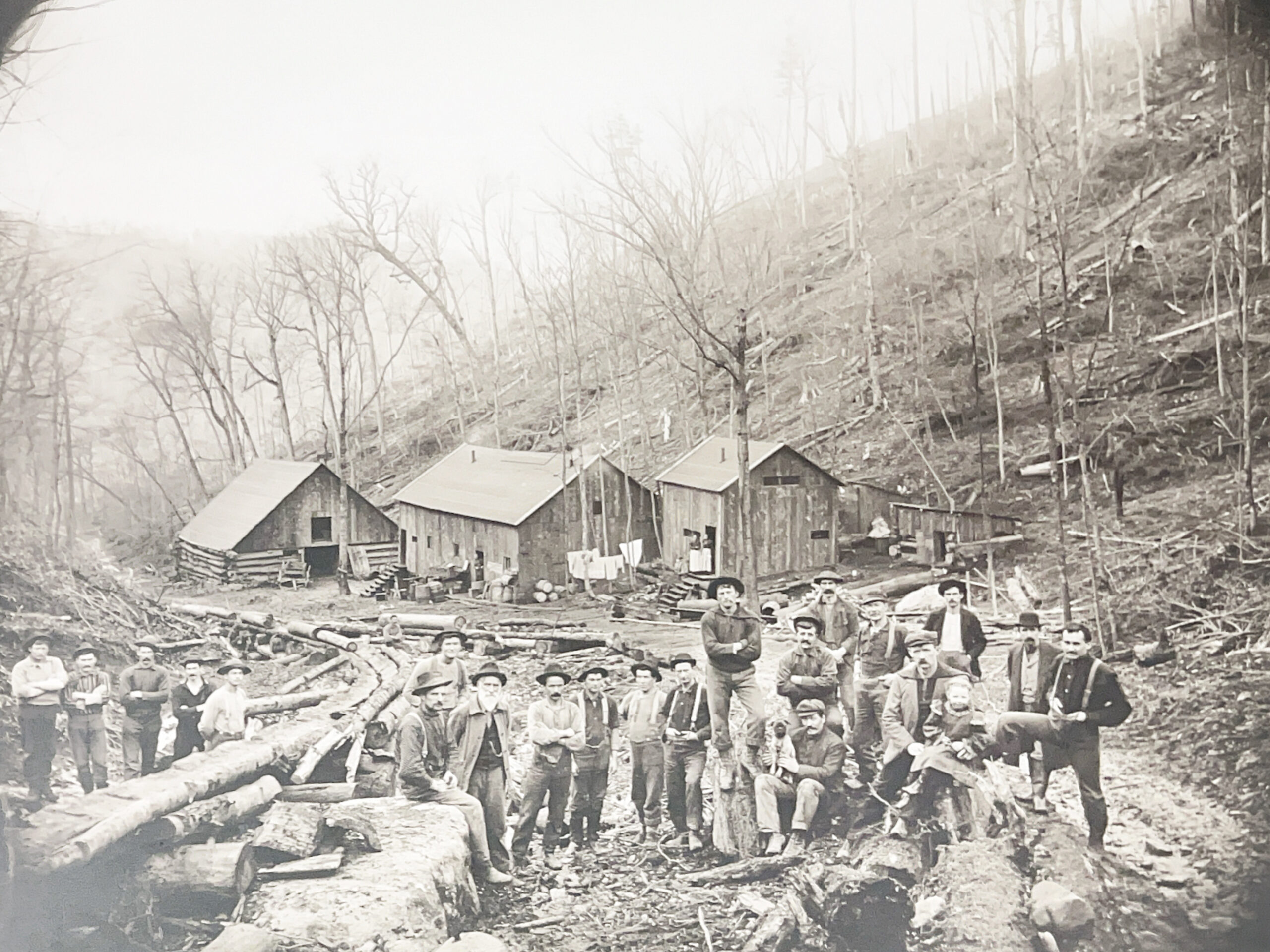
Clarke contracted with various lumber companies to make images of their logging camps. Pictured here is a relatively large camp with tools, equipment, barrels, baskets, boxes, a ladder, a grinding stone, a washboard, laundry, and a wagon scattered in a seemingly confused jumble.... Read more
Wood On Glass
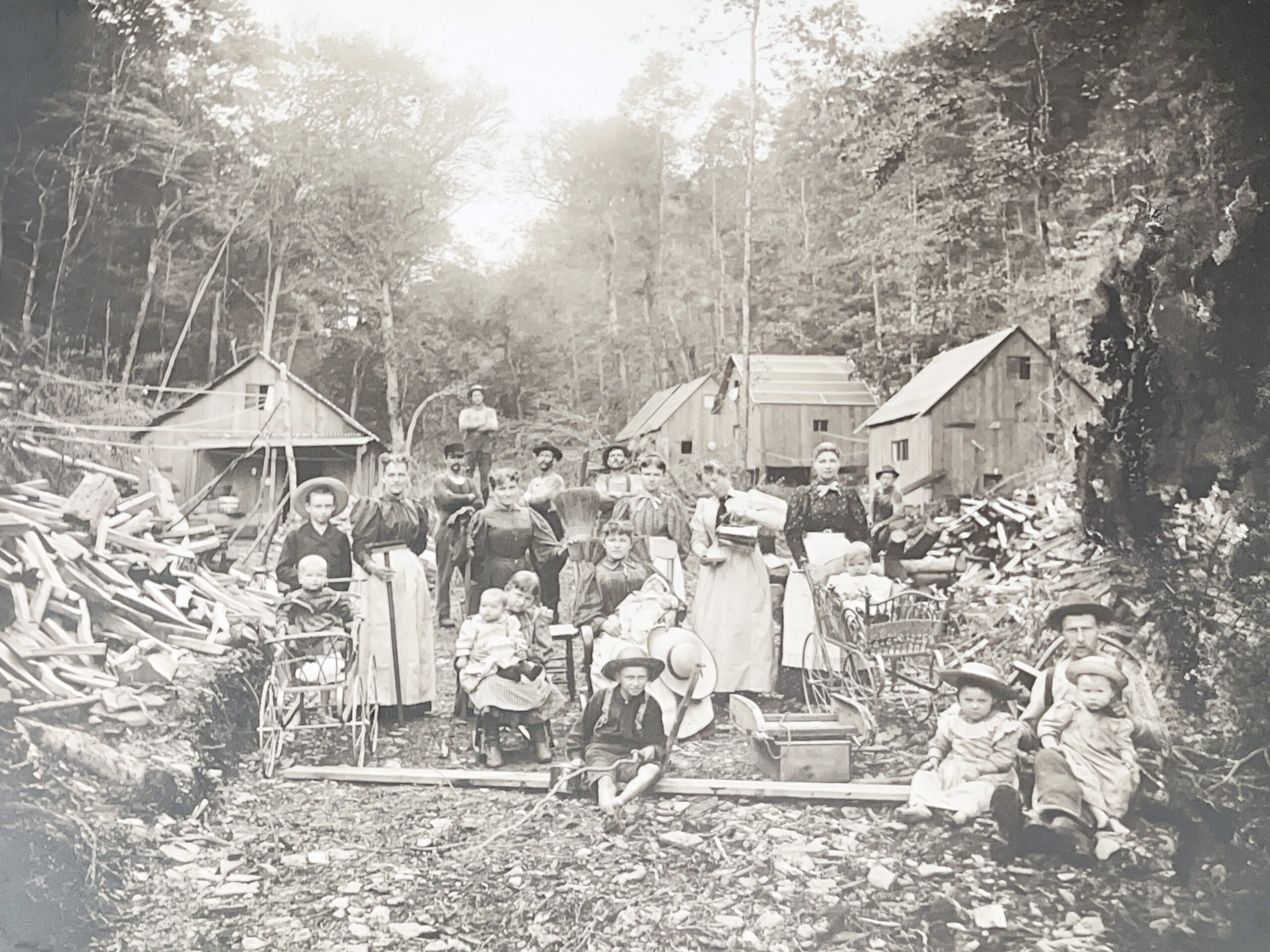
Clarke’s images give insight to the material culture of the camps. A visit by a photographer was a rare and special occasion in a remote area, so for this image, women and children are dressed up. The men are in ordinary work clothing. “Store bought” goods included pails, baby ... Read more
© 2026 Lumber Heritage Region LLC | Website Designed & Hosted by Pixel & Hammer