
Heritage / Our Roots
Heritage / Our Roots
By the late 19th and early 20th centuries, unsustainable logging and agricultural practices had left many parts of the United States in ecological peril. States like Pennsylvania, once celebrated for their verdant forests, suffered severe depletion as their natural resources were harvested to fuel the nation’s expansion and industrial growth.
As these resources dwindled, the communities that depended on them faced devastating consequences. By the 1920s, North Central Pennsylvania—once home to expansive old-growth forests—earned the grim nickname the “Pennsylvania Desert.” Over-logging, rampant wildfires, flooding, and erosion had stripped the hillsides bare, leaving the land barren and its prospects for natural regrowth bleak.
This ecological crisis coincided with an economic one. The stock market crash of 1929 ushered in the Great Depression, which saw businesses shuttered, banks collapsed, and unemployment soar to unprecedented levels. The compounded effects of economic turmoil and environmental degradation created a dire national emergency.
In 1933, as part of his New Deal, President Franklin D. Roosevelt introduced the Civilian Conservation Corps (CCC)—a pioneering initiative aimed at simultaneously tackling unemployment and restoring the nation’s depleted natural resources. Open to young men aged 17 to 25, as well as veterans, the CCC provided jobs, education, and hands-on training while enabling participants to contribute to the nation’s recovery.
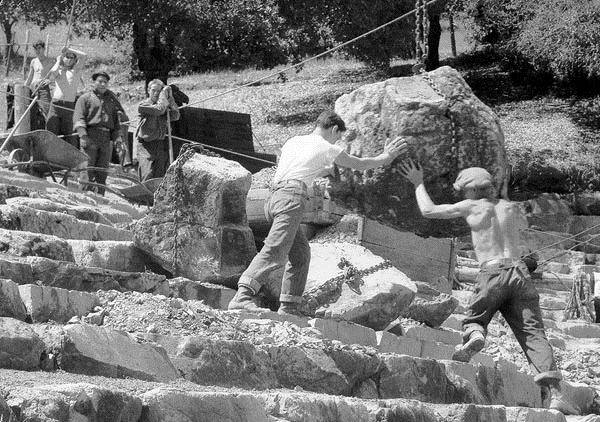
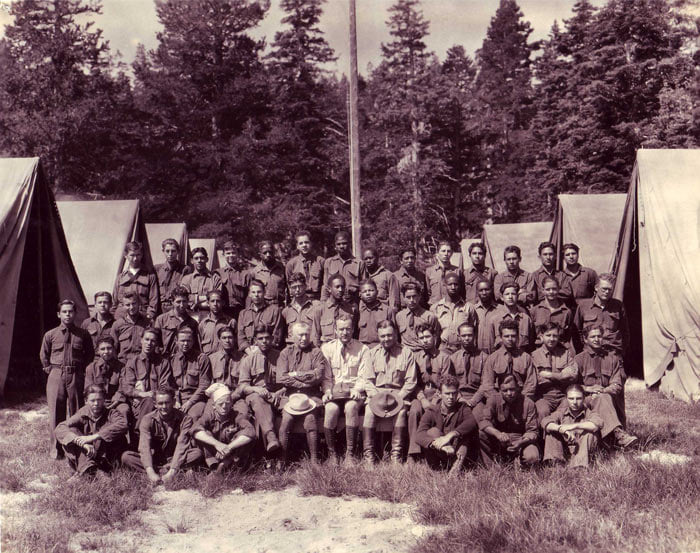
Managed by the U.S. Army, the CCC focused on revitalizing America’s forests and other essential natural resources. In Pennsylvania alone, the Corps planted over 60 million trees, contributing to the nationwide total of more than 3 billion. This monumental effort earned the workers the nickname “Roosevelt’s Tree Army,” reflecting the transformative scale of their achievements.
Pennsylvania, with its devastated landscapes, became a focal point for the CCC’s conservation efforts. Hosting approximately 151 camps, the state ranked second in the nation for CCC activity. Many of these camps were established on former sawmill sites or abandoned logging lands, with over half located within the state’s Lumber Heritage Region. The men stationed in these camps played an indispensable role in reforesting the land and laying the groundwork for its recovery.
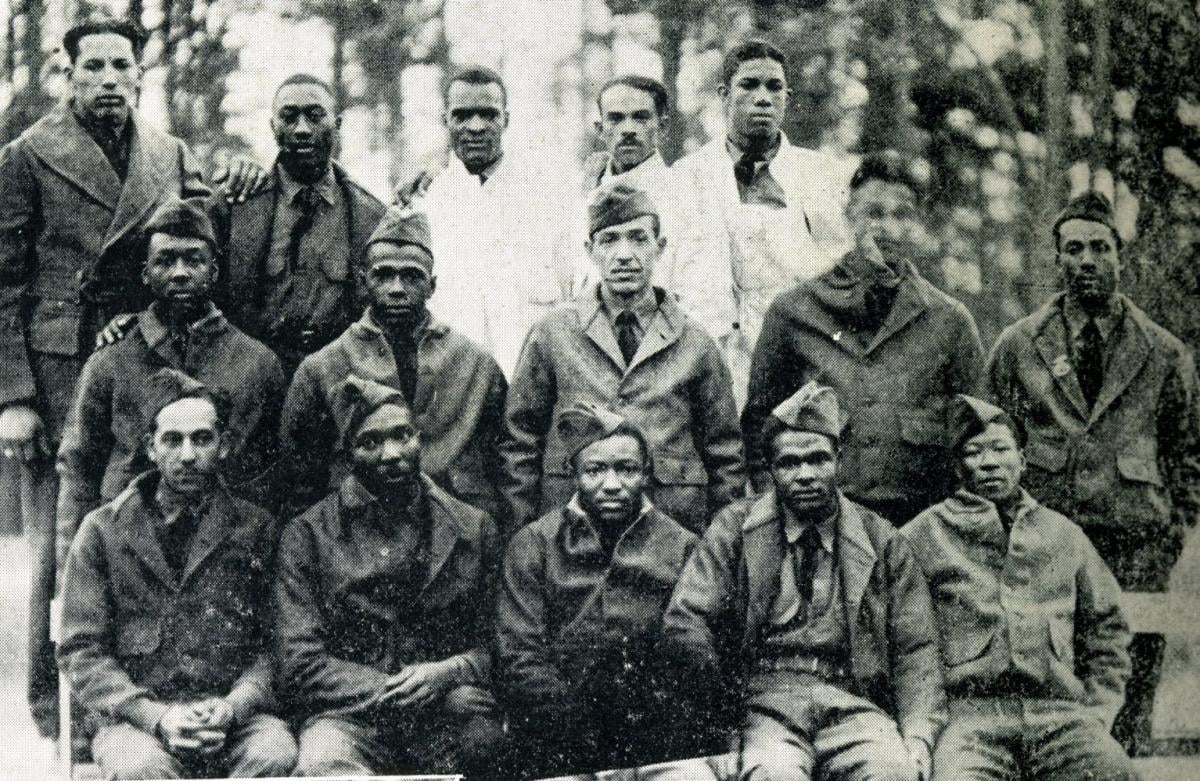
However, the CCC’s story is not without its complexities. While it offered life-changing opportunities for many, the program mirrored the segregationist norms of the era. African American enrollees were often assigned to segregated camps where they faced limited access to education and leadership roles. Despite these inequities, Black participants made significant contributions to the CCC’s mission, leaving a lasting mark on the nation’s conservation history.
Beyond reforestation, the CCC undertook a diverse array of conservation projects. They controlled soil erosion, managed wildfires, and constructed infrastructure that still serves communities today. Roads, picnic areas, fire pits, pavilions, swimming pools, and flood prevention systems were among their many contributions. These efforts were critical in protecting both the land and the communities that relied on it.
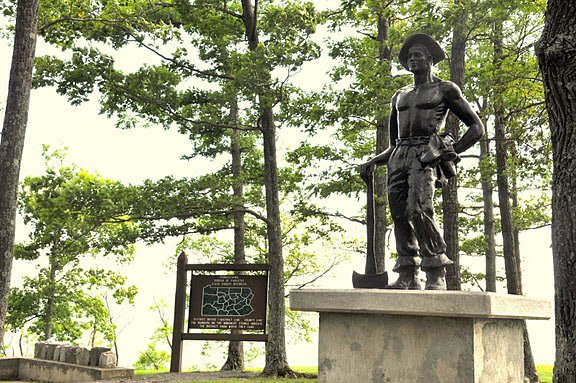
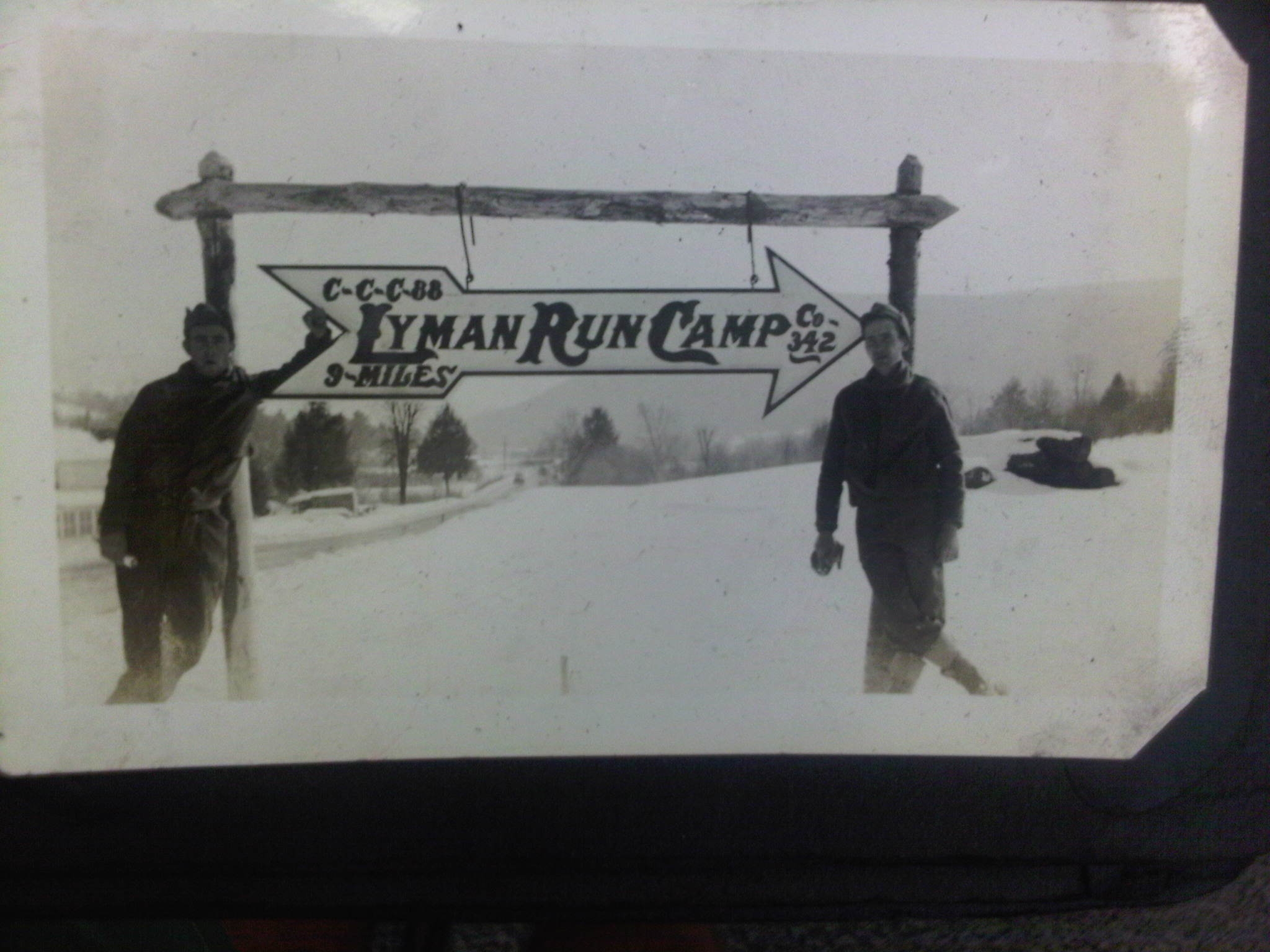

The legacy of the CCC remains etched into Pennsylvania’s landscapes. Many of the structures built by the Corps endure as integral features of state parks and recreational areas. Their work continues to support thriving forests and provide green spaces for public enjoyment—a living testament to the power of collective action and conservation.
Unearthing Bark Shanty: From 1933 to 1942, the Civilian Conservation Corps (CCC) provided young men across the United States with employment, education, and recreation during the depths of the Great Depression. Pennsylvania had the second-highest number of CCC camps in the nation—over half of which were located in what is now the Lumber Heritage Region. These camps played a crucial role in restoring forests and natural landscapes heavily impacted by decades of logging. However, CCC opportunities were not equitably distributed. The program was segregated by race, and while Black enrollees received the same pay as their white counterparts, they faced significant barriers to leadership and advancement. Most camps for Black enrollees were overseen by white officers, and leadership roles were largely unavailable to them. One such segregated camp was Bark Shanty, officially designated S-146-PA. The company stationed here was number 2336. In 2025, a team of volunteers—with support from the Pennsylvania Department of Conservation and Natural Resources (DCNR), the Pennsylvania Outdoor Corps, the PA Lumber Museum, the Lumber Heritage Region, and university partners—began archaeological and historical survey work at the site. That work continues today. It is the hope of the Lumber Heritage Region and all involved that uncovering the story of Bark Shanty will help connect Pennsylvanians and visitors alike to a shared history and heritage—one of hard work, overlooked contributions, and enduring natural beauty.
The program came to an end in 1942 as the United States entered World War II, redirecting national resources toward the war effort. Yet the imprint of the CCC is unmistakable, a tribute to the resilience of both the land and the people who devoted themselves to its restoration.
© 2026 Lumber Heritage Region LLC | Website Designed & Hosted by Pixel & Hammer