Visit / PA Historical Marker Trail

Potter County

Potter County

Quick Story

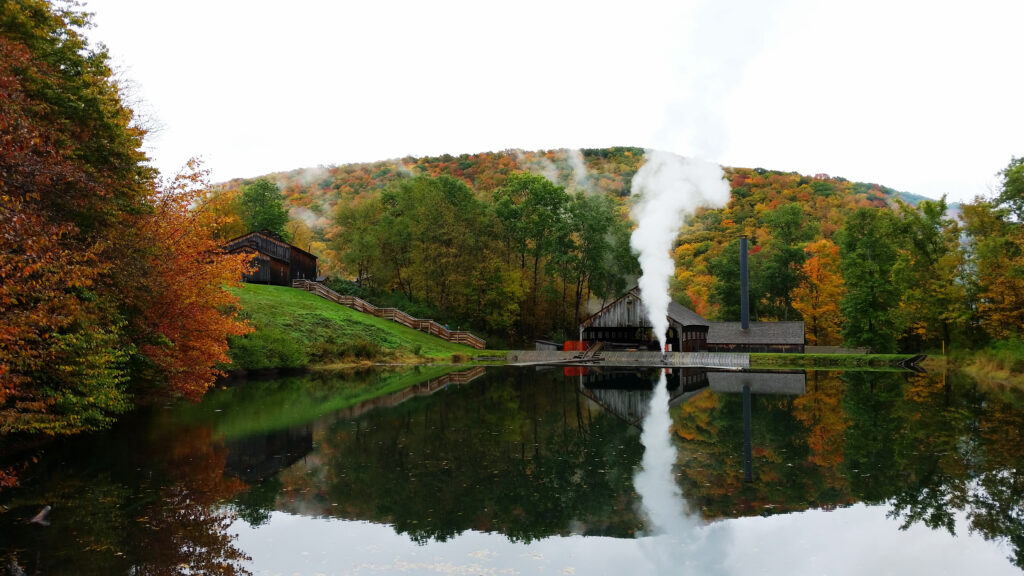
Potter County’s remote forests supplied generations of loggers with valuable timber while helping define the character of the Pennsylvania Wilds. The same landscapes that supported the lumber industry now offer visitors a chance to experience the county’s remarkable natural heritage.

Why This Marker Is Significant

Potter County’s historical markers tell the stories of the people who lived, worked, and explored the Pennsylvania Wilds. They celebrate the county’s natural beauty, resilient communities, and lasting connection to its forested landscape.

Stop #1 – Austin Flood Disaster

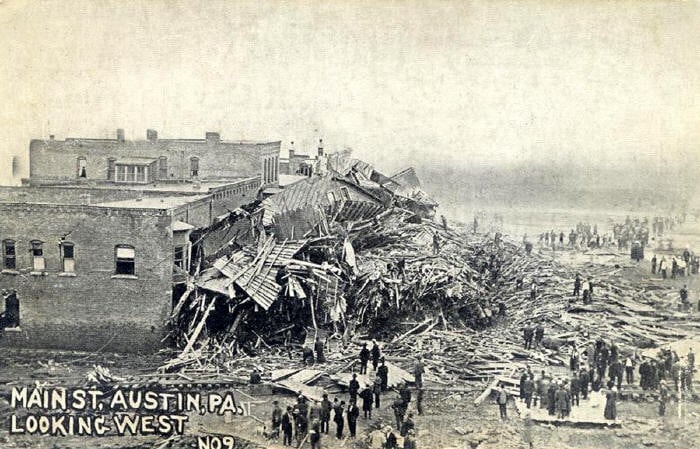
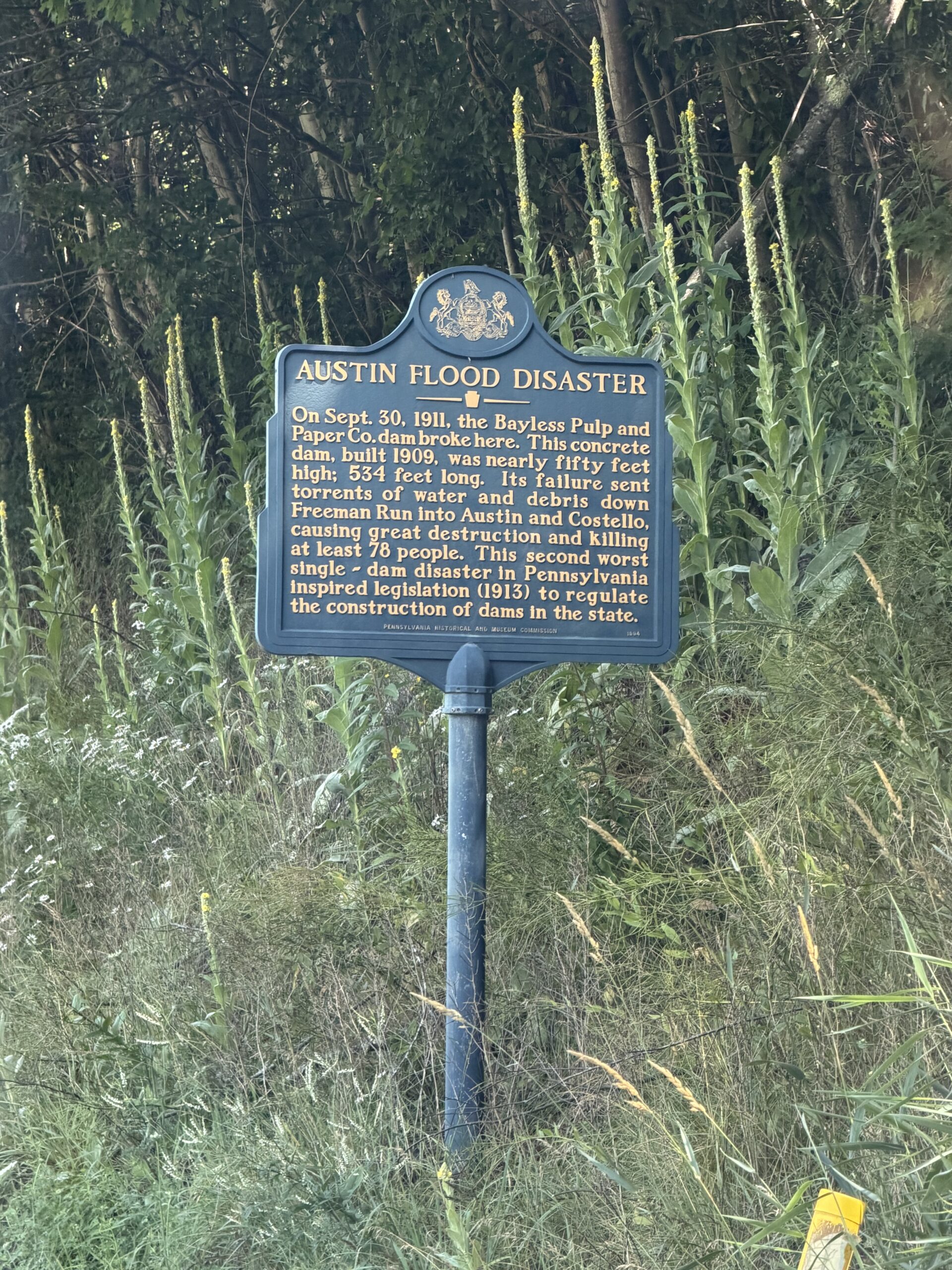
On Sept. 30, 1911, the Bayless Pulp and Paper Co. dam broke here. This concrete dam, built 1909, was nearly fifty feet high; 534 feet long. Its failure sent torrents of water and debris down Freeman Run into Austin and Costello, causing great destruction and killing at least 78 people. This second worst single-dam disaster in Pennsylvania inspired legislation (1913) to regulate the construction of dams in the state.

Click here for directions
Discovering Lumber Hertitage Through History and Education

Stop #2 – Ole Bull’s Colony

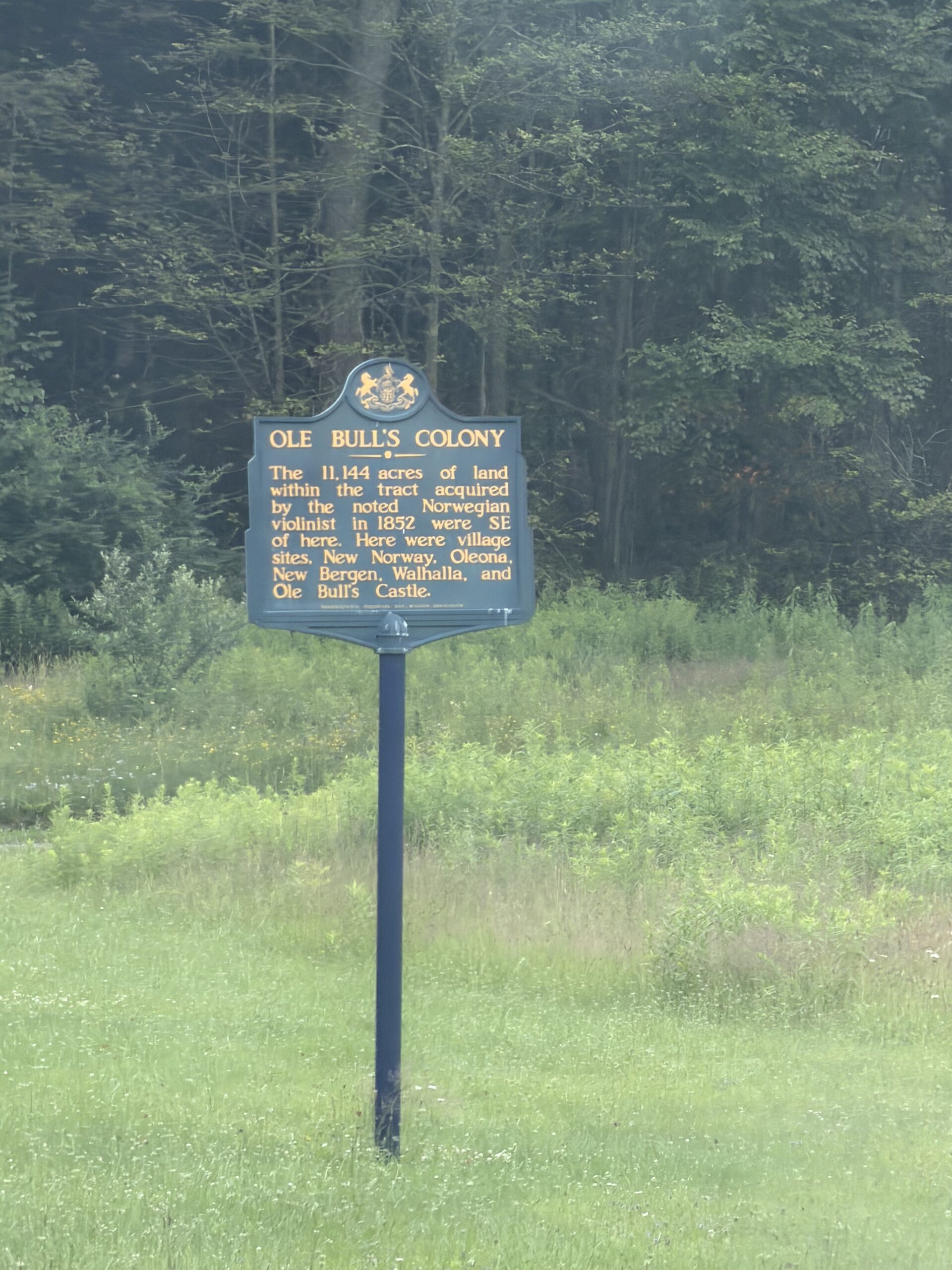
The 11,144 acres of land within the tract acquired by the noted Norwegian violinist in 1852 were SE of here. Here were village sites, New Norway, Oleona, New Bergen, Walhalla, and Ole Bull’s Castle.

Click here for directions
Discovering Lumber Hertitage Through History and Education

Stop #3 – Jersey Shore Pike

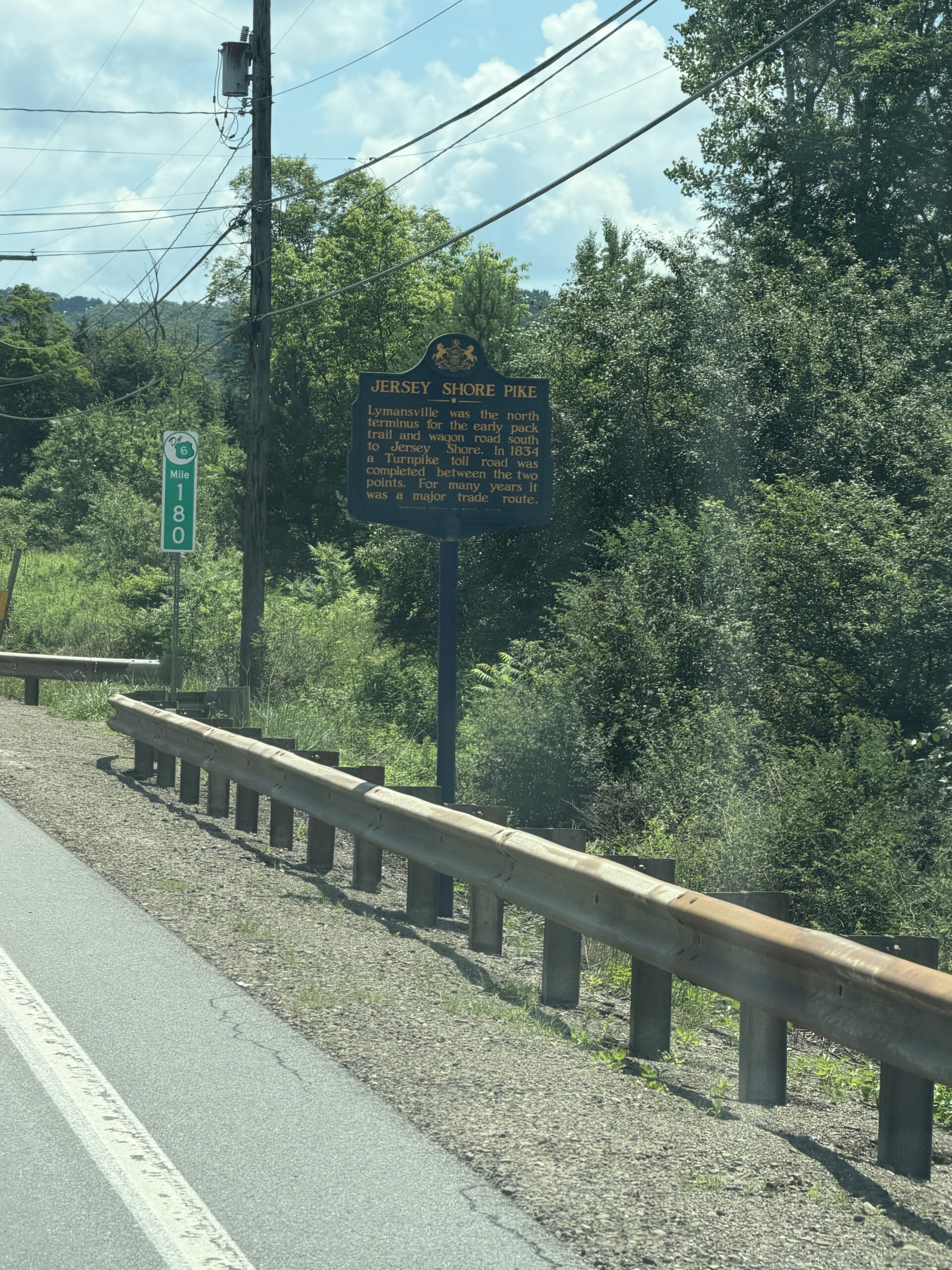
Lymansville was the north terminus for the early pack trail and wagon road south to Jersey Shore. In 1834 a Turnpike toll road was completed between the two points. For many years it was a major trade route.

Click here for directions
Discovering Lumber Hertitage Through History and Education

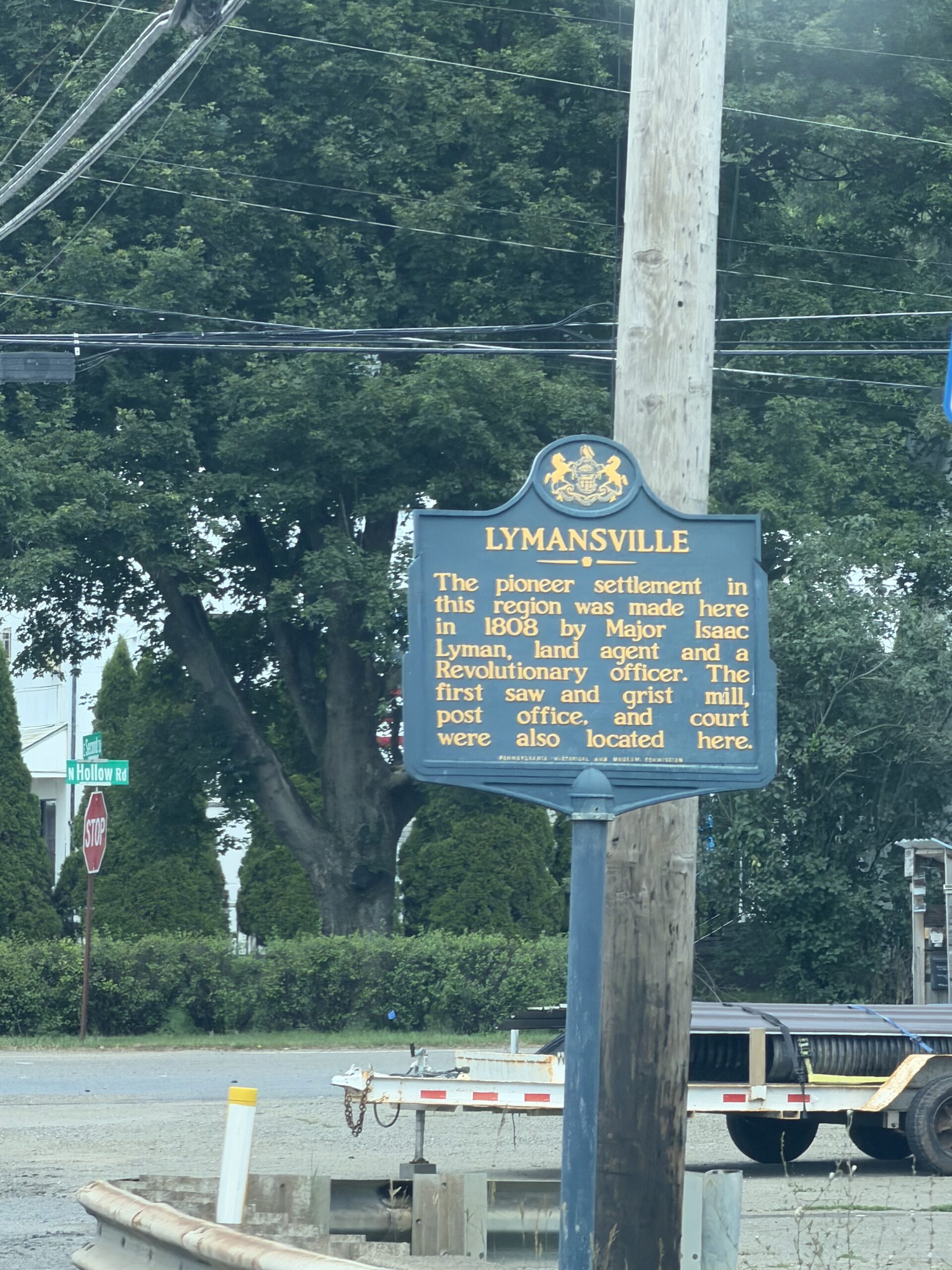
Stop #4 – Lymansville

The pioneer settlement in this region was made here in 1808 by Major Isaac Lyman, land agent and a Revolutionary officer. The first saw and grist mill, post office, and court were also located here.

Click here for directions
Discovering Lumber Hertitage Through History and Education

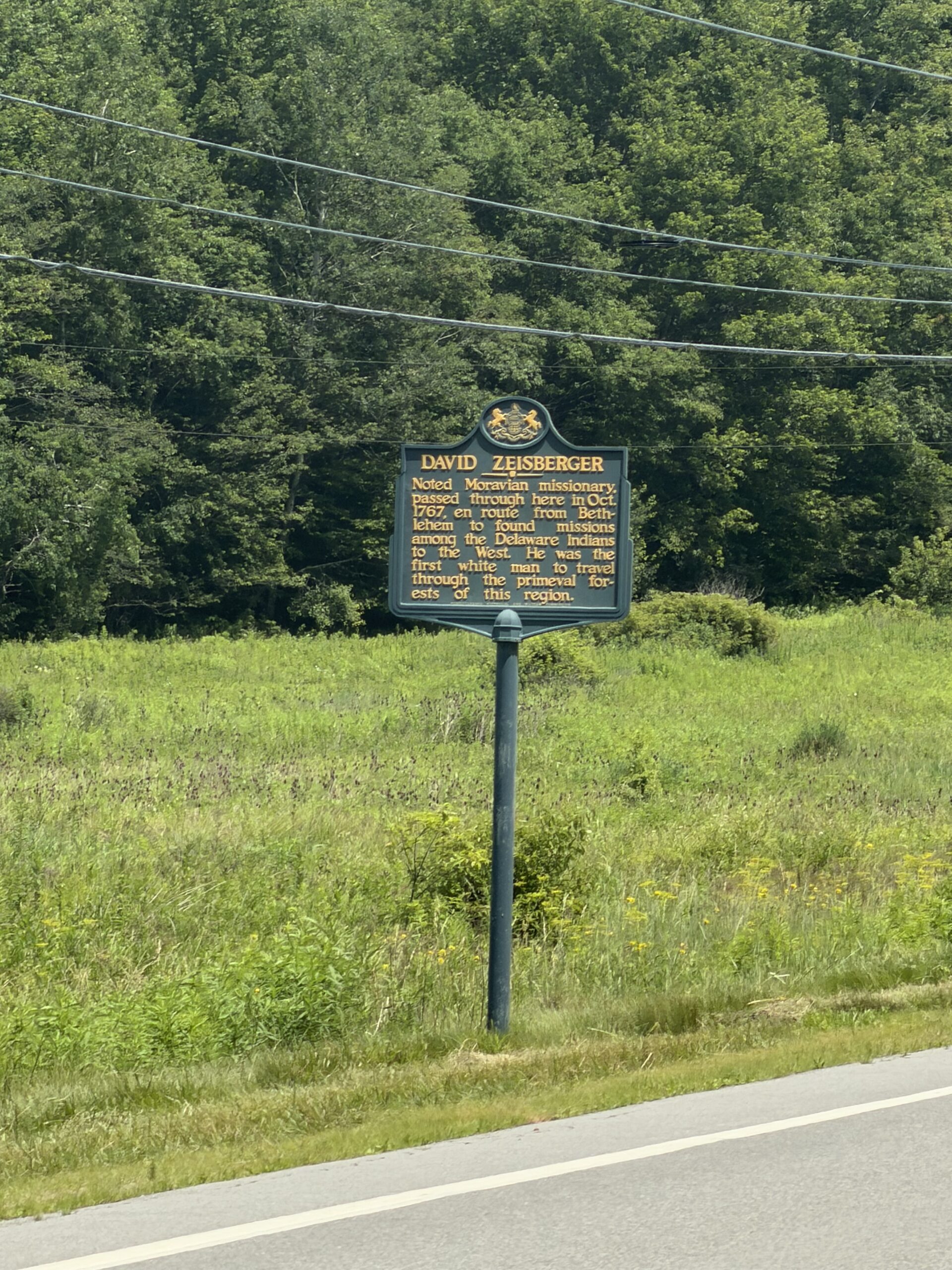
Stop #5 – David Zeisberger

Noted Moravian missionary camped near here Oct. 8, 1767, en route from Bethlehem to found missions among the Delaware Indians to the West. He was the first white man to pass through the primeval forests of this region.

Click here for directions
Discovering Lumber Hertitage Through History and Education

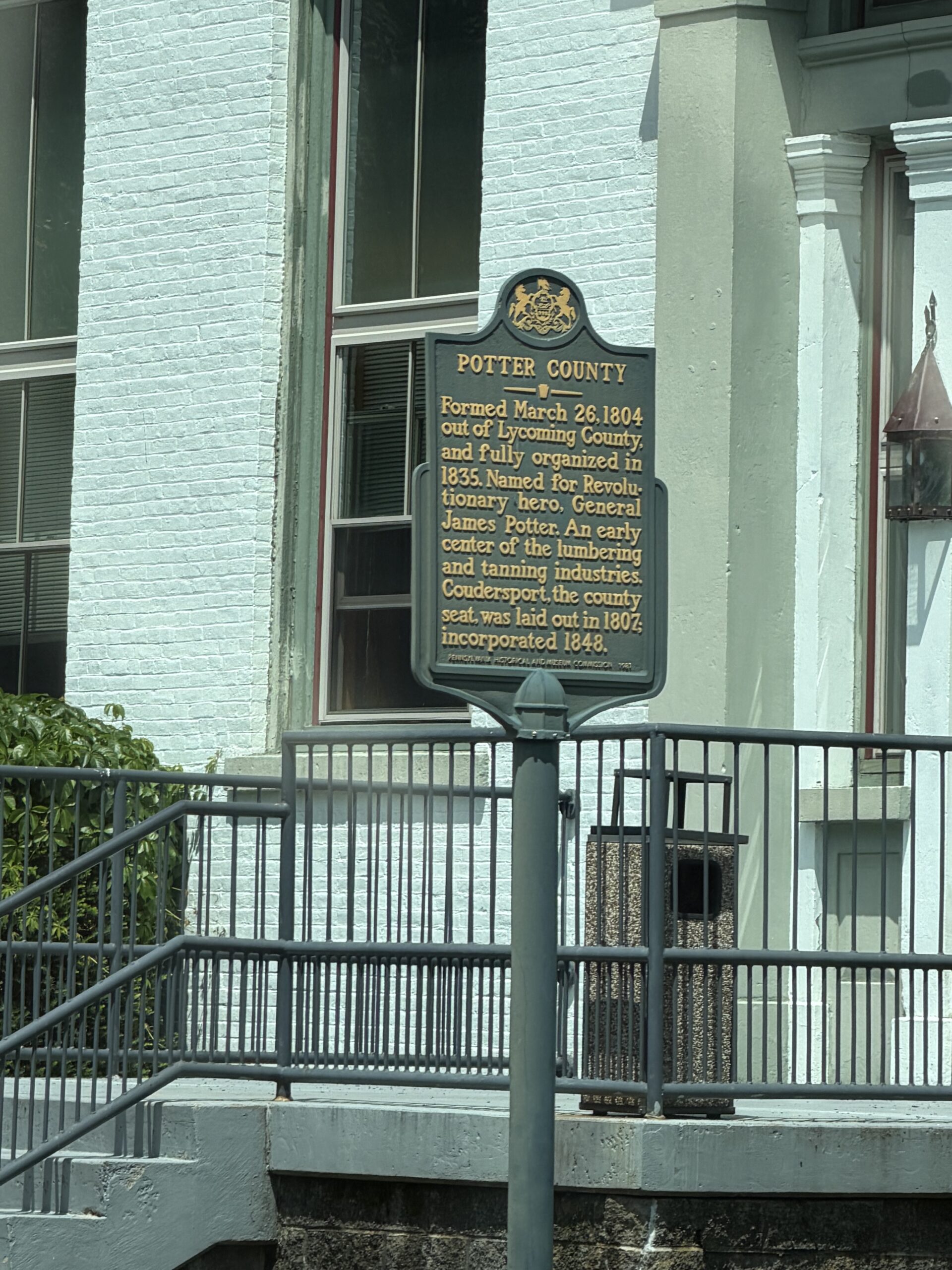
Stop #6 – Potter County

Formed March 26, 1804 out of Lycoming County, and fully organized in 1835. Named for Revolutionary hero, General James Potter. An early center of the lumbering and tanning industries. Coudersport, the county seat, was laid out in 1807, incorporated 1848.

Click here for directions
Discovering Lumber Hertitage Through History and Education

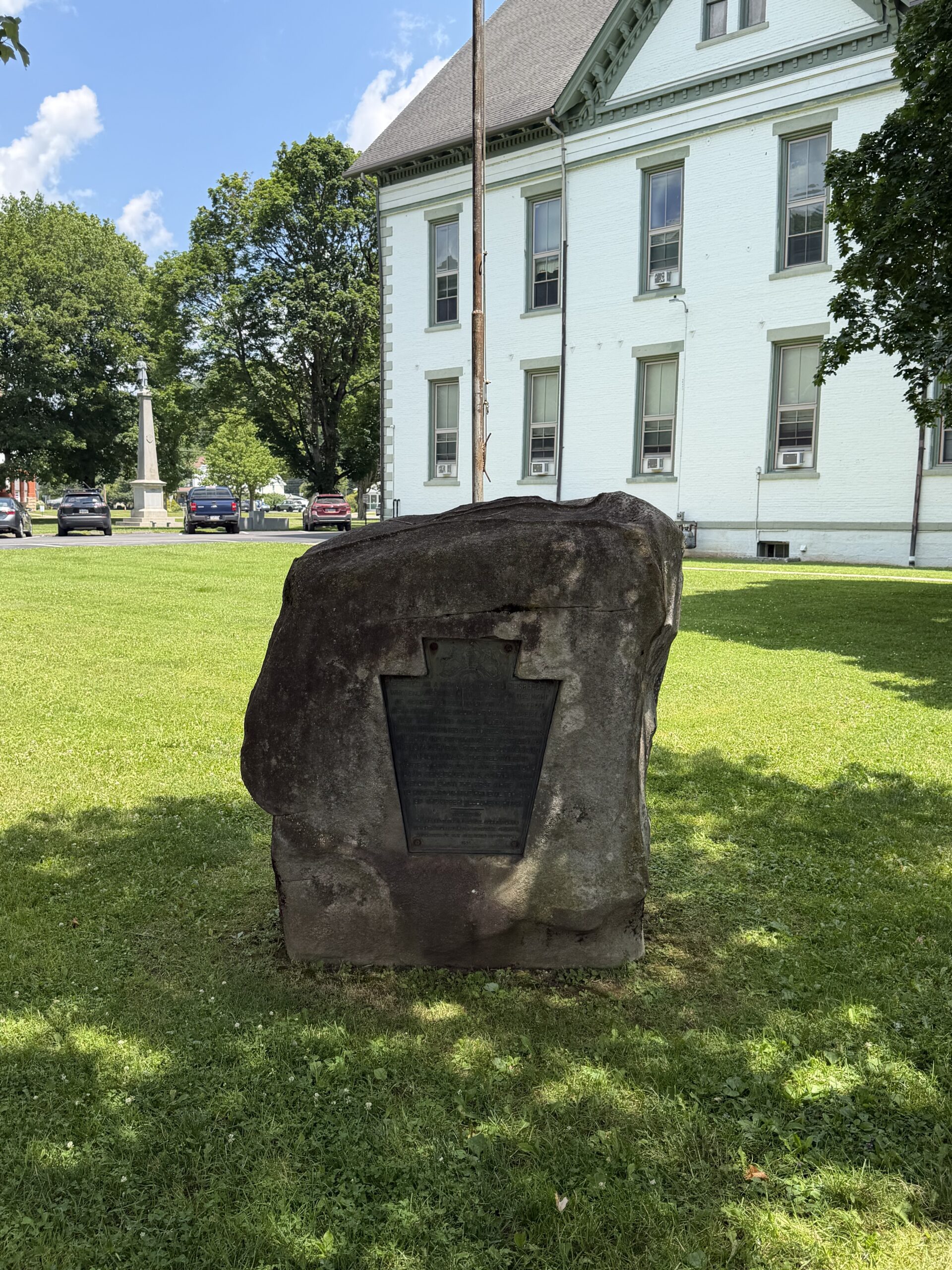
Stop #7 – David Zeisberger PLAQUE

Erected as a memorial to David Zeisberger, who encamped near this place on the night of October 8, 1767, when on his way from Bethlehem to the mouth of Tionesta Creek to visit the Indians on the Allegheny River. He was accompained by two Delaware Indians, Anthony and Papunhank. This visit led to the establishment of the various Moravian missions among the Delaware in Western Pennsylvania and Eastern Ohio. David Zeisberger was, so far as all records show, the first white man to pass through the primeval forests of the upper Allegheny River.

Click here for directions
Discovering Lumber Hertitage Through History and Education

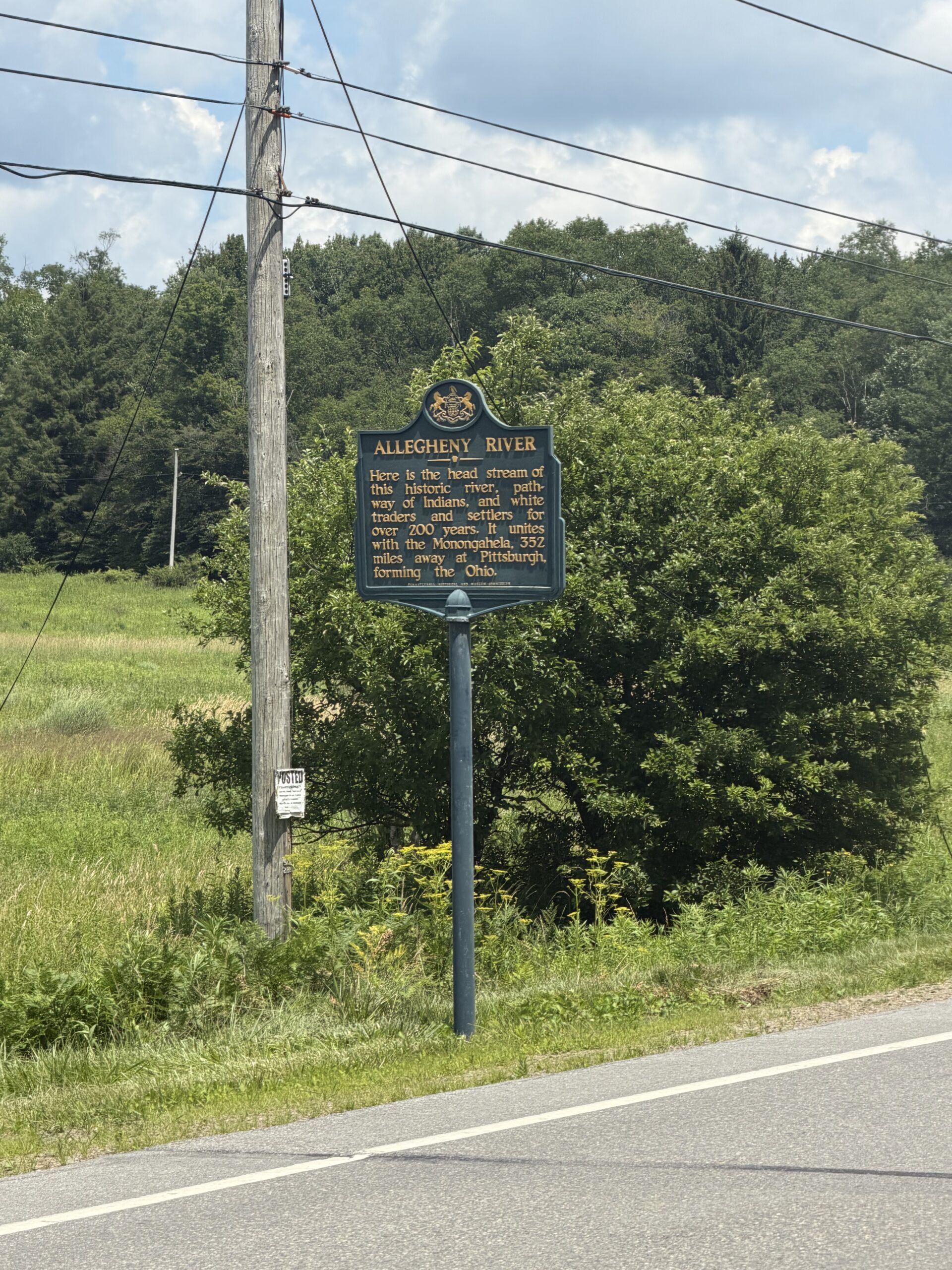
Stop #8 – Allegheny River

Here is the head stream of this historic river, pathway of Indians, and white traders and settlers for over 200 years. It unites with the Monongahela, 352 miles away at Pittsburgh, forming the Ohio.

Click here for directions
Discovering Lumber Hertitage Through History and Education

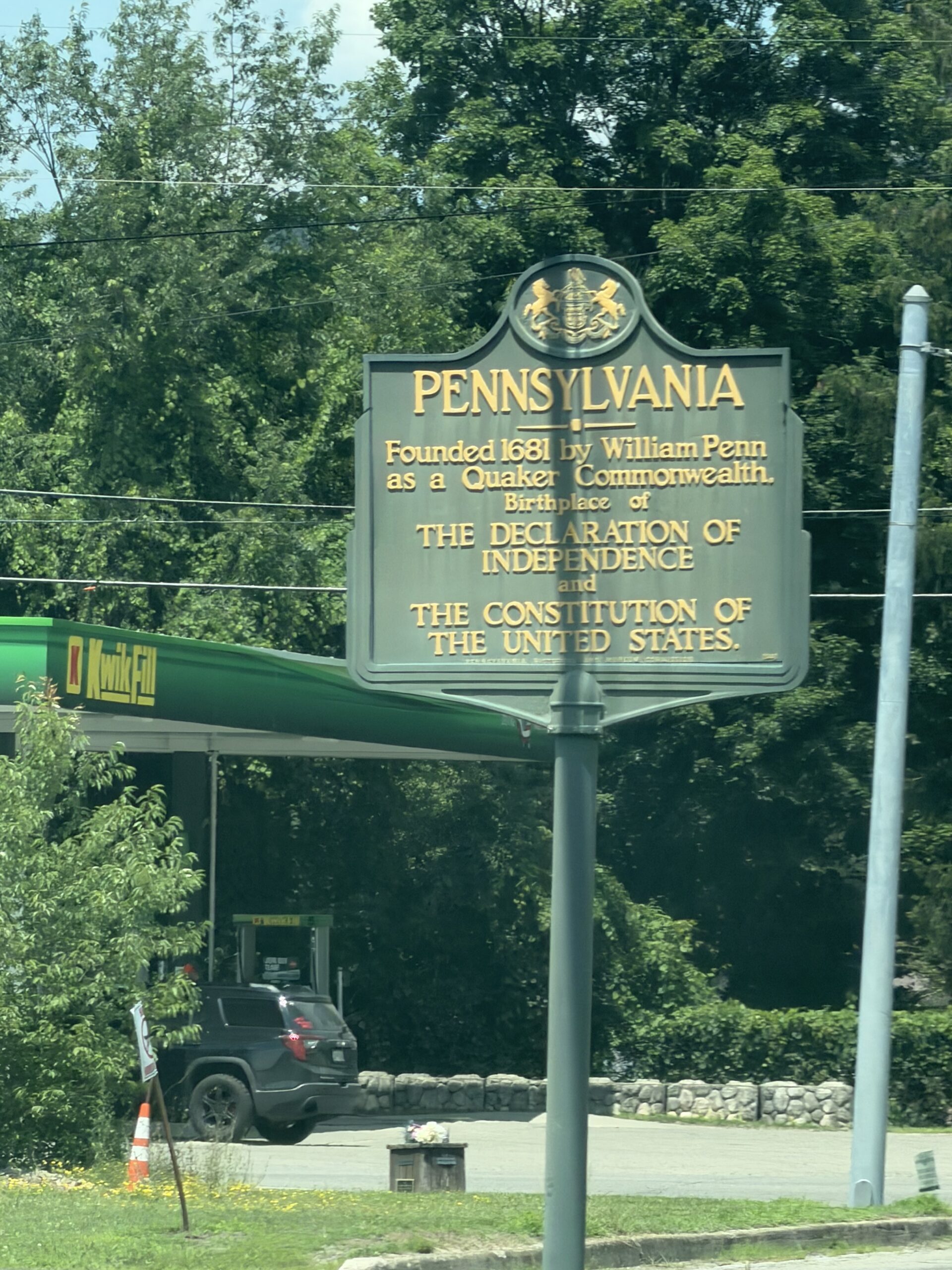
Stop #9 – Pennsylvania

Founded 1681 by William Penn as a Quaker Commonwealth. Birthplace of THE DECLARATION OF INDEPENDENCE and THE CONSTITUTION OF THE UNITED STATES.

Click here for directions
Discovering Lumber Hertitage Through History and Education

Follow Us on Instagram