Visit / PA Historical Marker Trail

Lycoming County

Stop #1 – Sheshequin Path

Bishop Spangenberg went through this valley on his way to Onondaga in 1745. He was impressed by woods so thick “one does not see the sun all day,” and by mountains rising closely round him, suggesting “ant hills.”

Discovering Lumber Hertitage Through History and Education

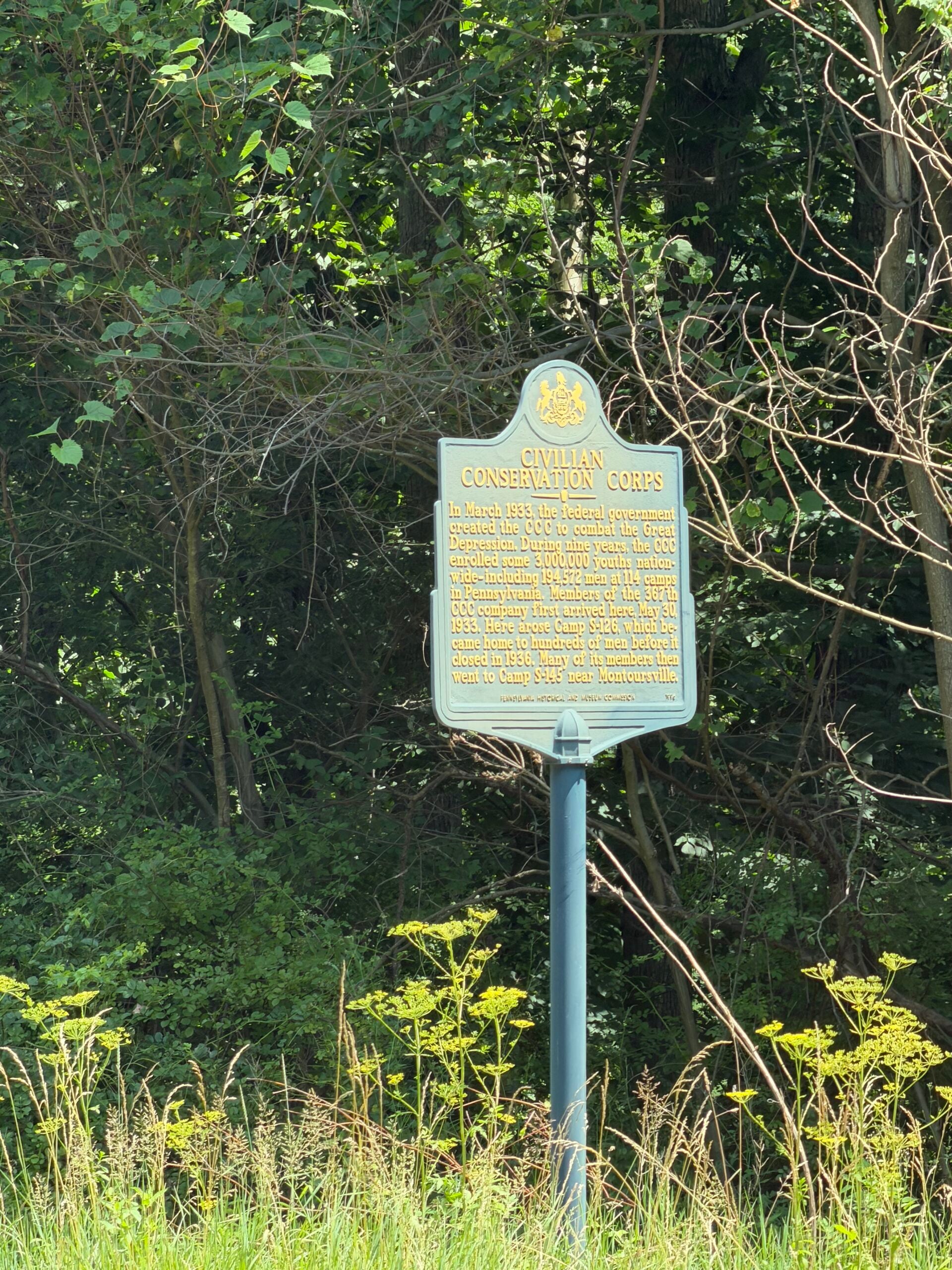
Stop #2 – Civilian Conservation Corps

In March 1933, the federal government created the CCC to combat the Great Depression. During nine years, the CCC enrolled some 3,000,000 youths nationwide–including 194,572 men at 114 camps in Pennsylvania. Members of the 367th CCC company first arrived here, May 30, 1933. Here arose camp S-126, which became home to hundreds of men before it closed in 1936. Many of its members then went to Camp S-145 near Montoursville.

Discovering Lumber Hertitage Through History and Education

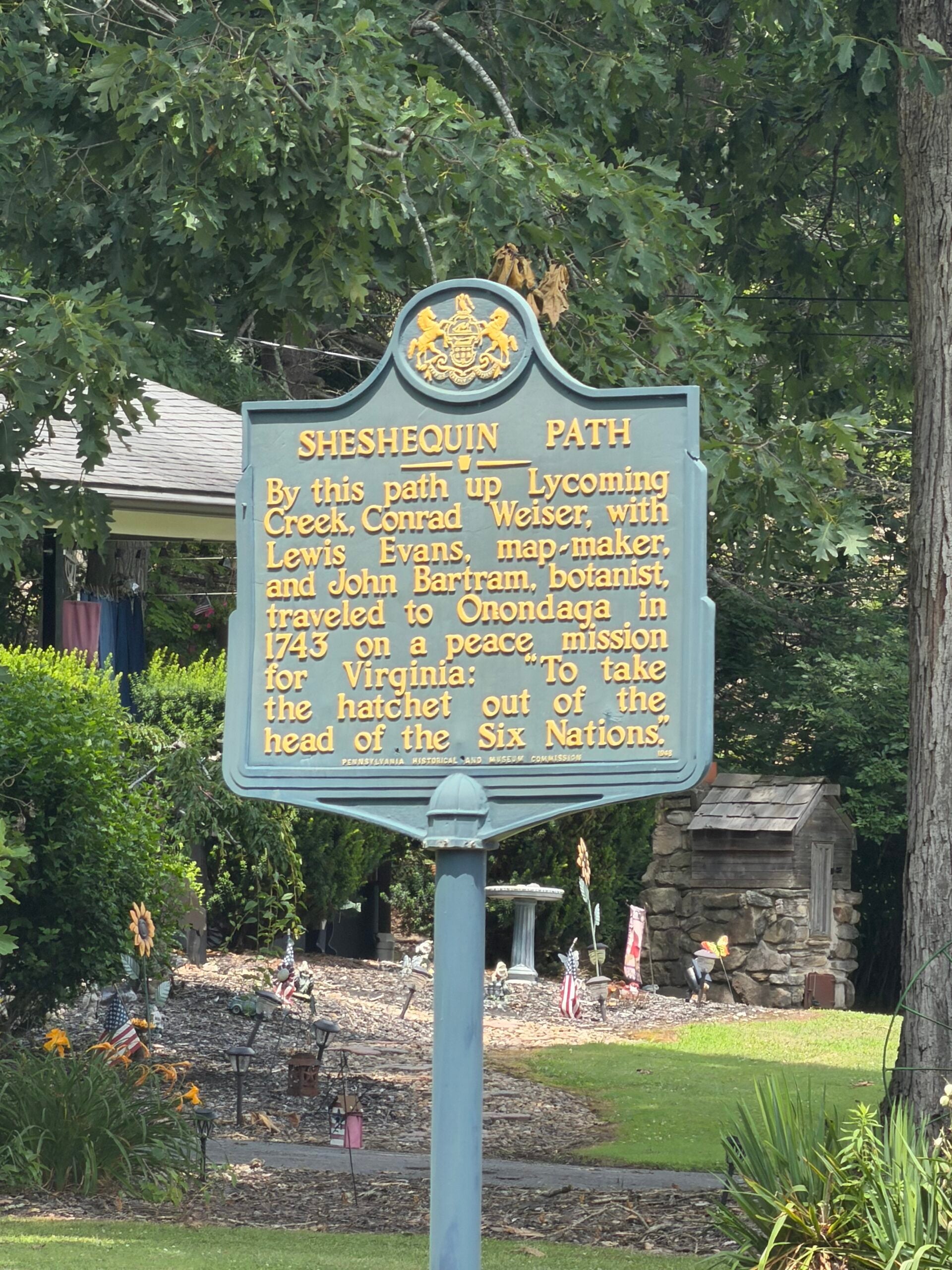
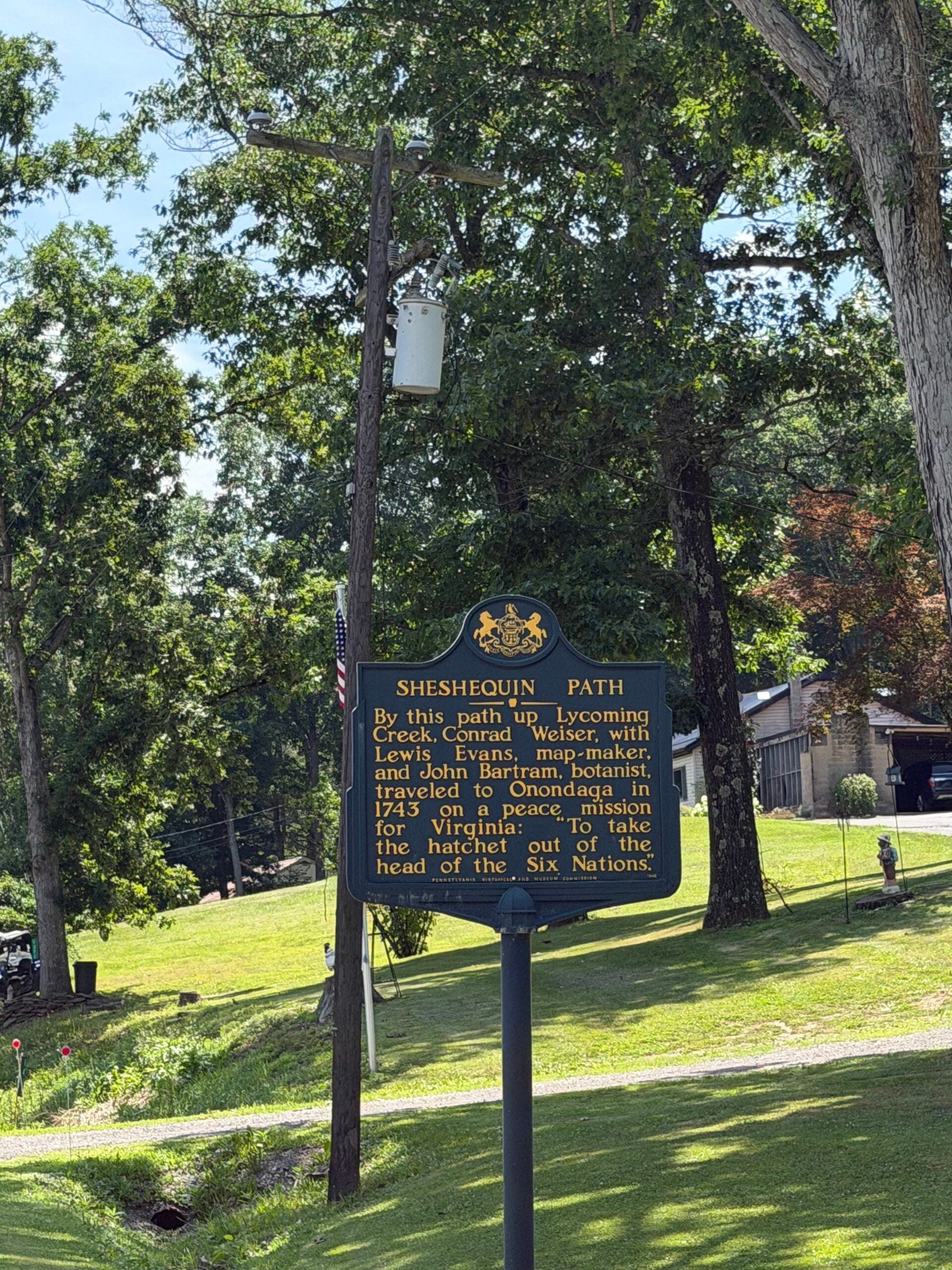
Stop #3 – Sheshequin Path

By this path up Lycoming Creek, Conrad Weiser, with Lewis Evans, map-maker, and John Bartram, botanist, traveled to Onondaga in 1743 on a peace mission for Virginia: “To take the hatchet out of the head of the Six Nations.”

Discovering Lumber Hertitage Through History and Education

Stop #4 – Sheshequin Path

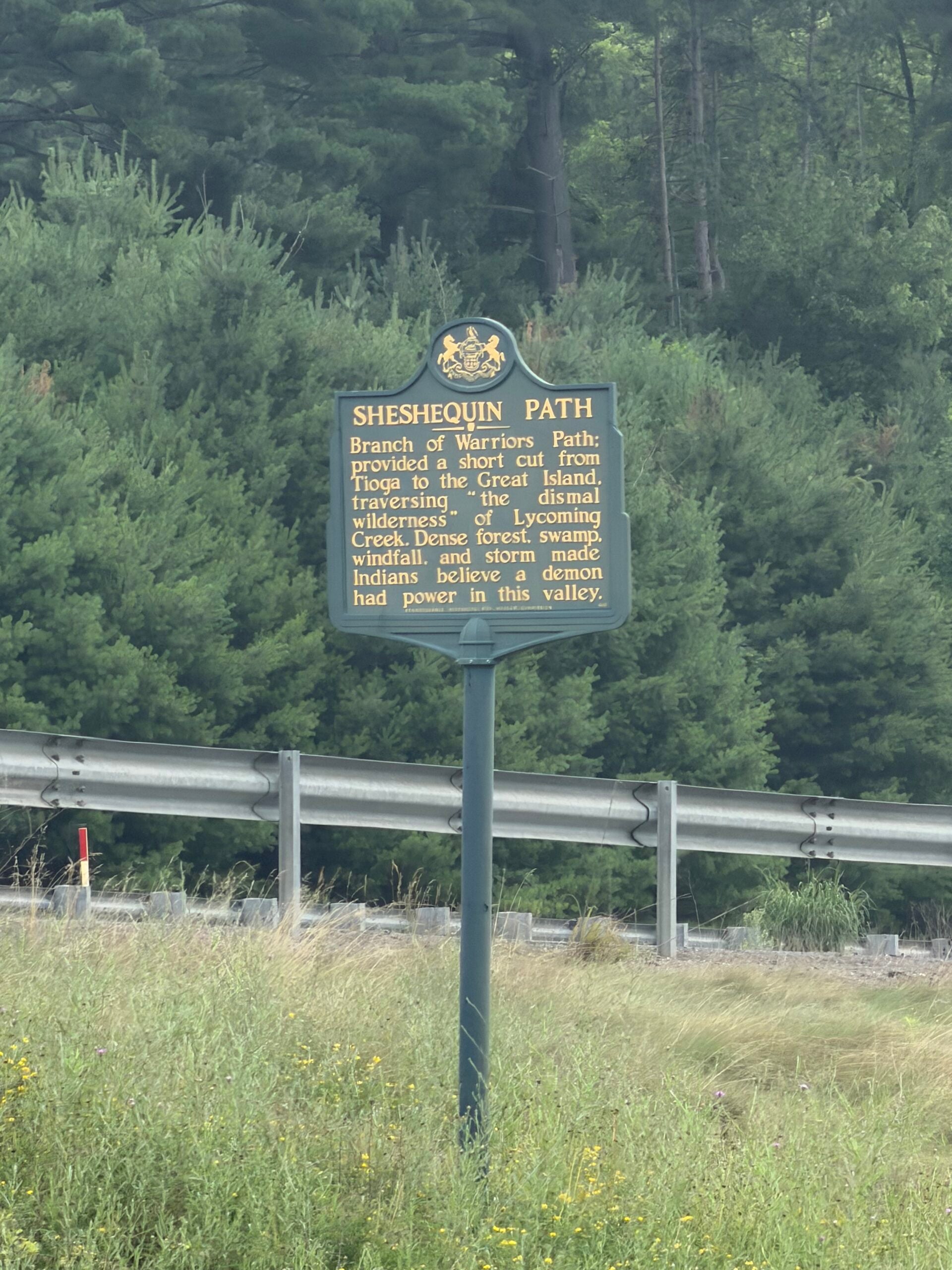
Branch of Warriors Path; provided a short cut from Tioga to the Great Island, traversing “the dismal wilderness” of Lycoming Creek. Dense forest, swamp, windfall, and storm made Indians believe a demon had power in this valley.

Discovering Lumber Hertitage Through History and Education

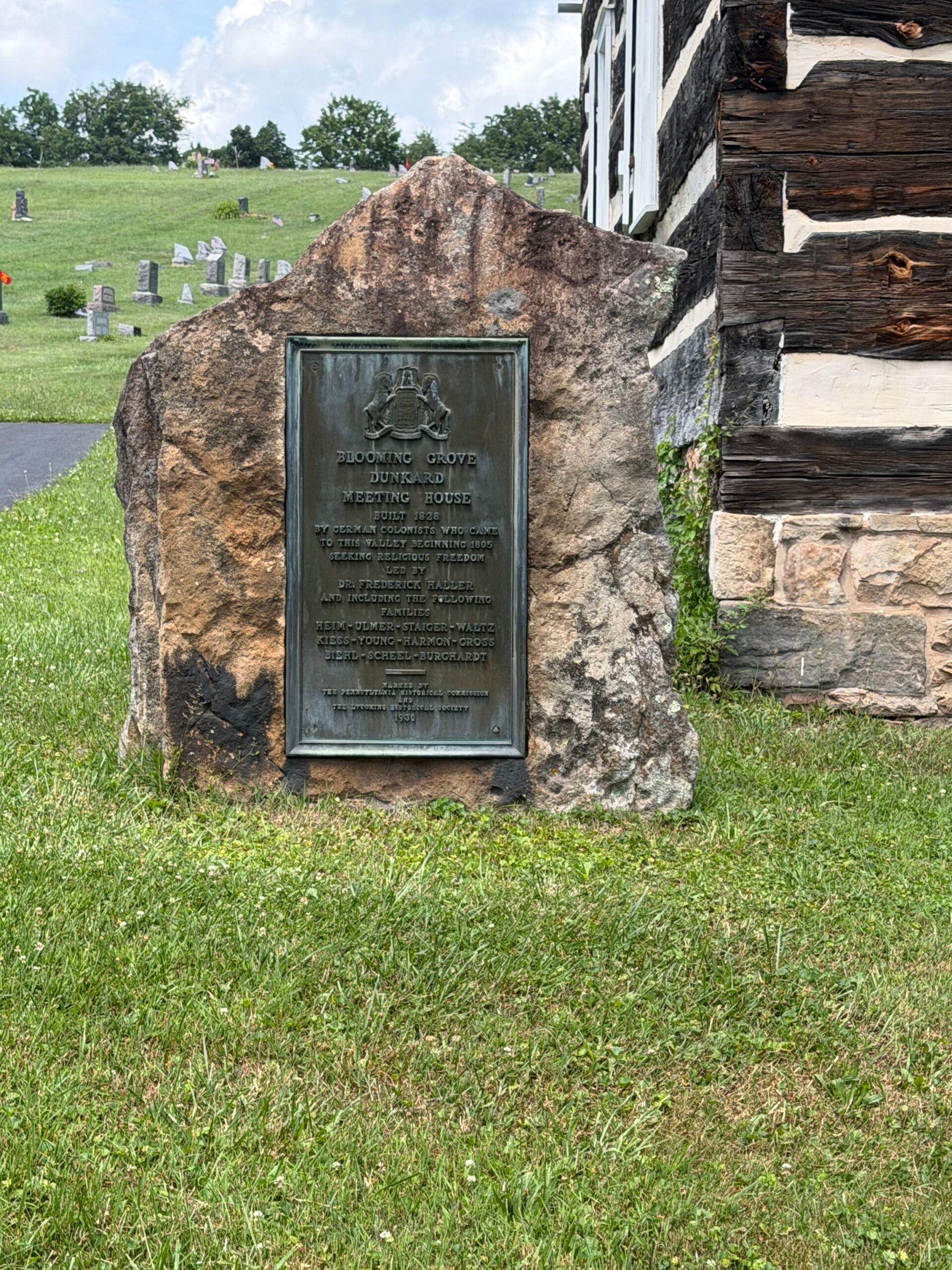
Stop #5 – Blooming Grove Dunkard Meeting House – PLAQUE

Built 1828 by German colonists who came to this valley beginning 1805 seeking religious freedom – led by Dr. Frederick Haller and including the following families, Heim – Ulmer – Staiger – Waltz – Kiess – Young – Harmon – Gross – Biehl – Scheel – Burghardt.


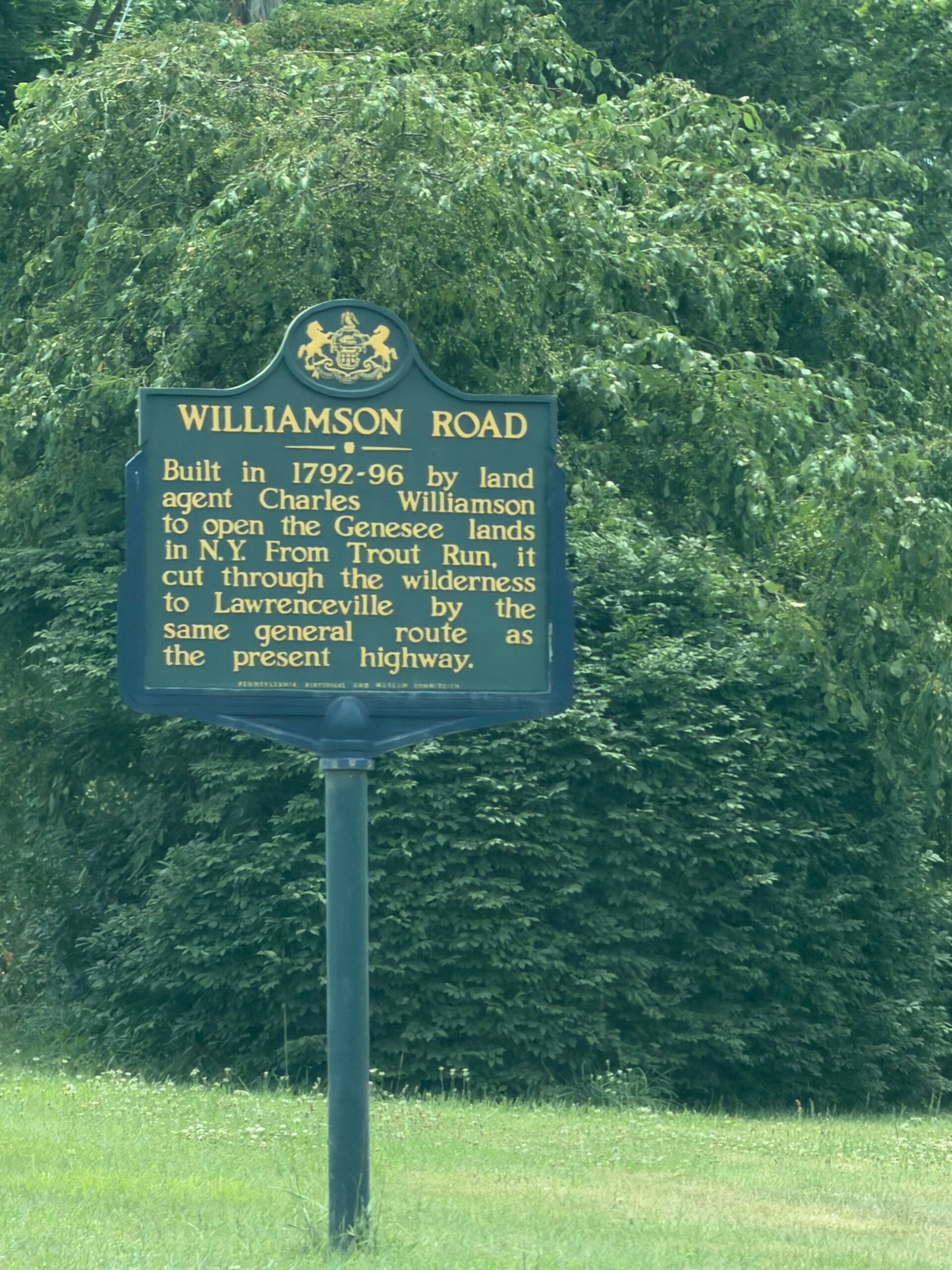
Stop #6 – Williamson Road

Built in 1792-96 by land agent Charles Williamson to open the Genesee lands in N.Y. From Trout Run, it cut through the wilderness to Lawrenceville by the same general route as the present highway.


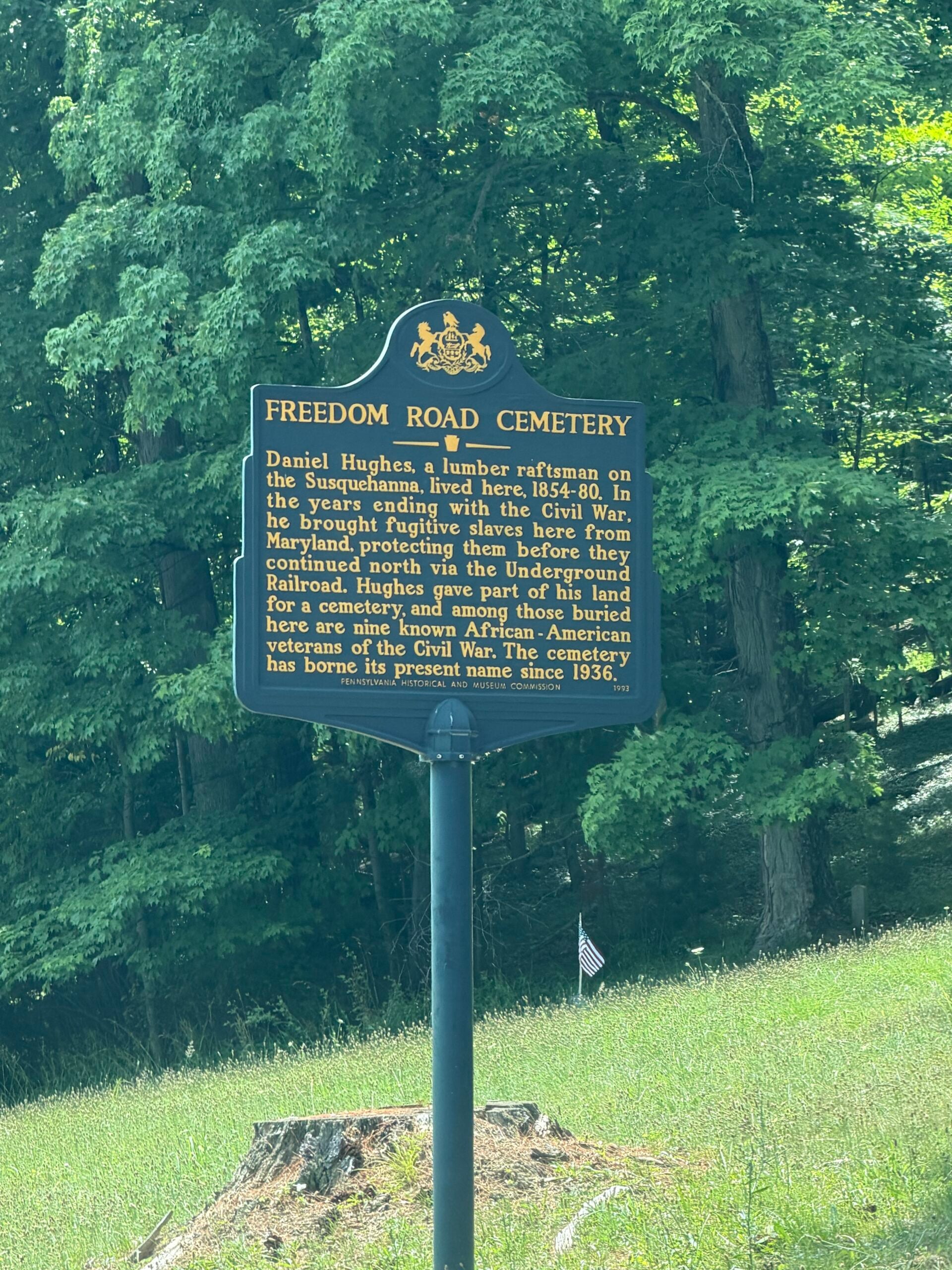
Stop #7 – Freedom Road Cemetery

Daniel Hughes, a lumber raftsman on the Susquehanna, lived here, 1854-80. In the years ending with the Civil War, he brought fugitive slaves here from Maryland, protecting them before they continued north via the Underground Railroad. Hughes gave part of his land for a cemetery, and among those buried here are nine known African-American veterans of the Civil War. The cemetery has borne its present name since 1936.


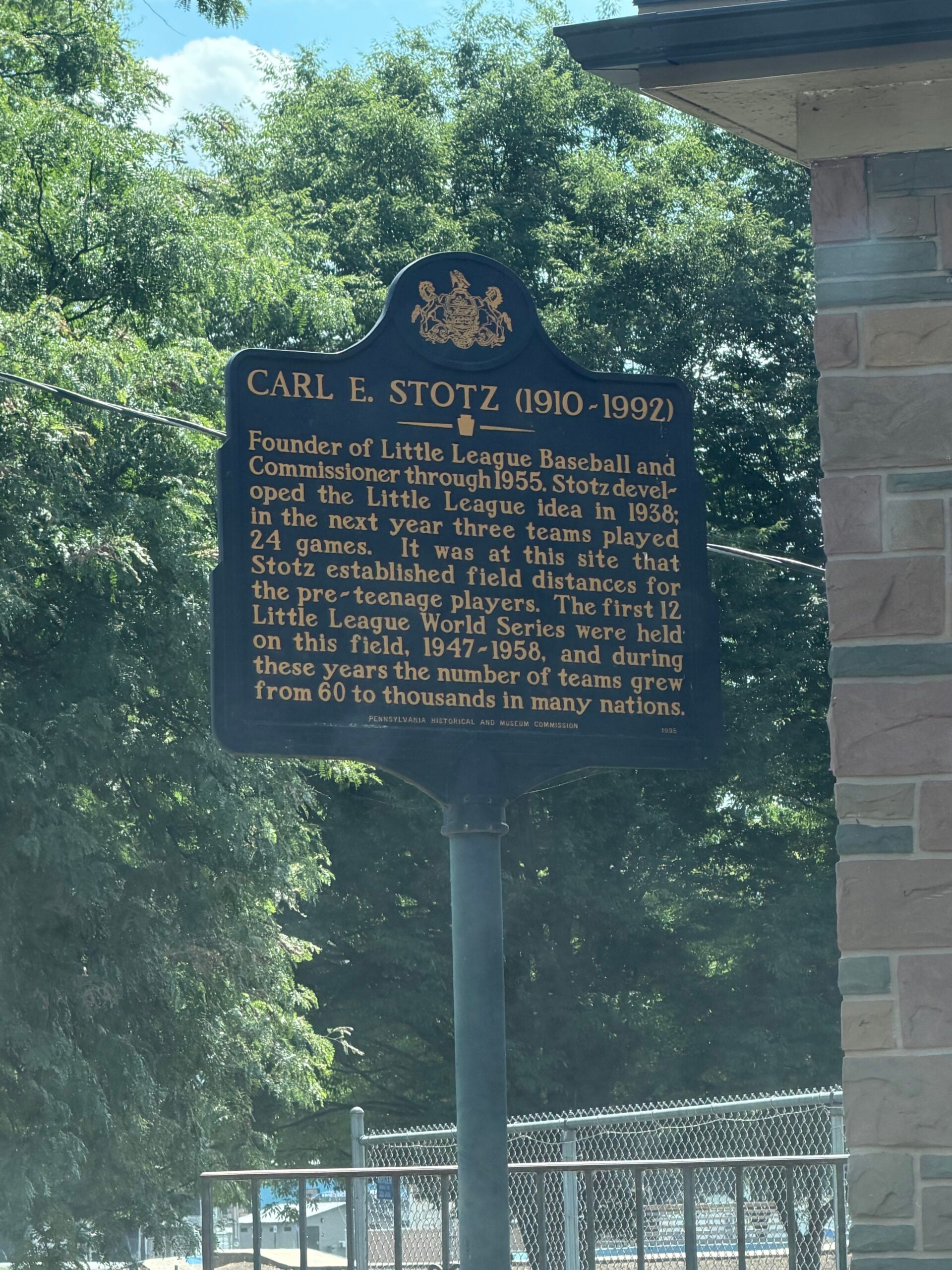
Stop #8 – Carl E. Stotz

Founder of Little League Baseball and Commissioner through 1955. Stotz developed the Little League idea in 1938; in the next year three teams played 24 games. It was at this site that Stotz established field distances for the pre-teenage players. The first 12 Little League World Series were held on this field, 1947-1958, and during these years the number of teams grew from 60 to thousands in many nations.

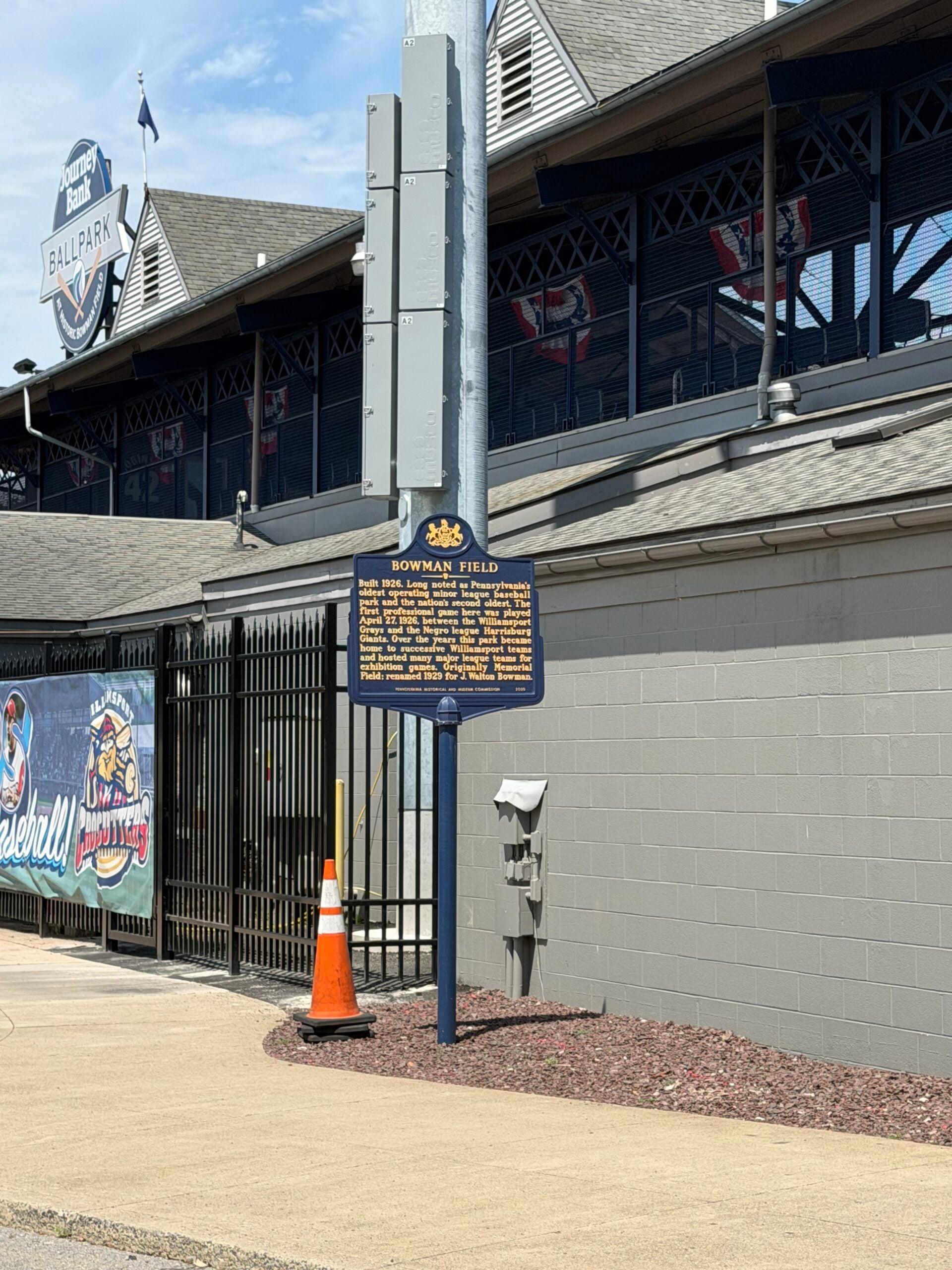
Stop #9 – Bowman Field

Built 1926. Long noted as Pennsylvania’s oldest operating minor league baseball park and the nation’s second oldest. The first professional game here was played April 27, 1926, between the Williamsport Grays and the Negro league Harrisburg Giants. Over the years this park became home to successive Williamsport teams and hosted many major league teams for exhibition games. Originally Memorial Field; renamed 1929 for J. Walton Bowman.

Discovering Lumber Hertitage Through History and Education

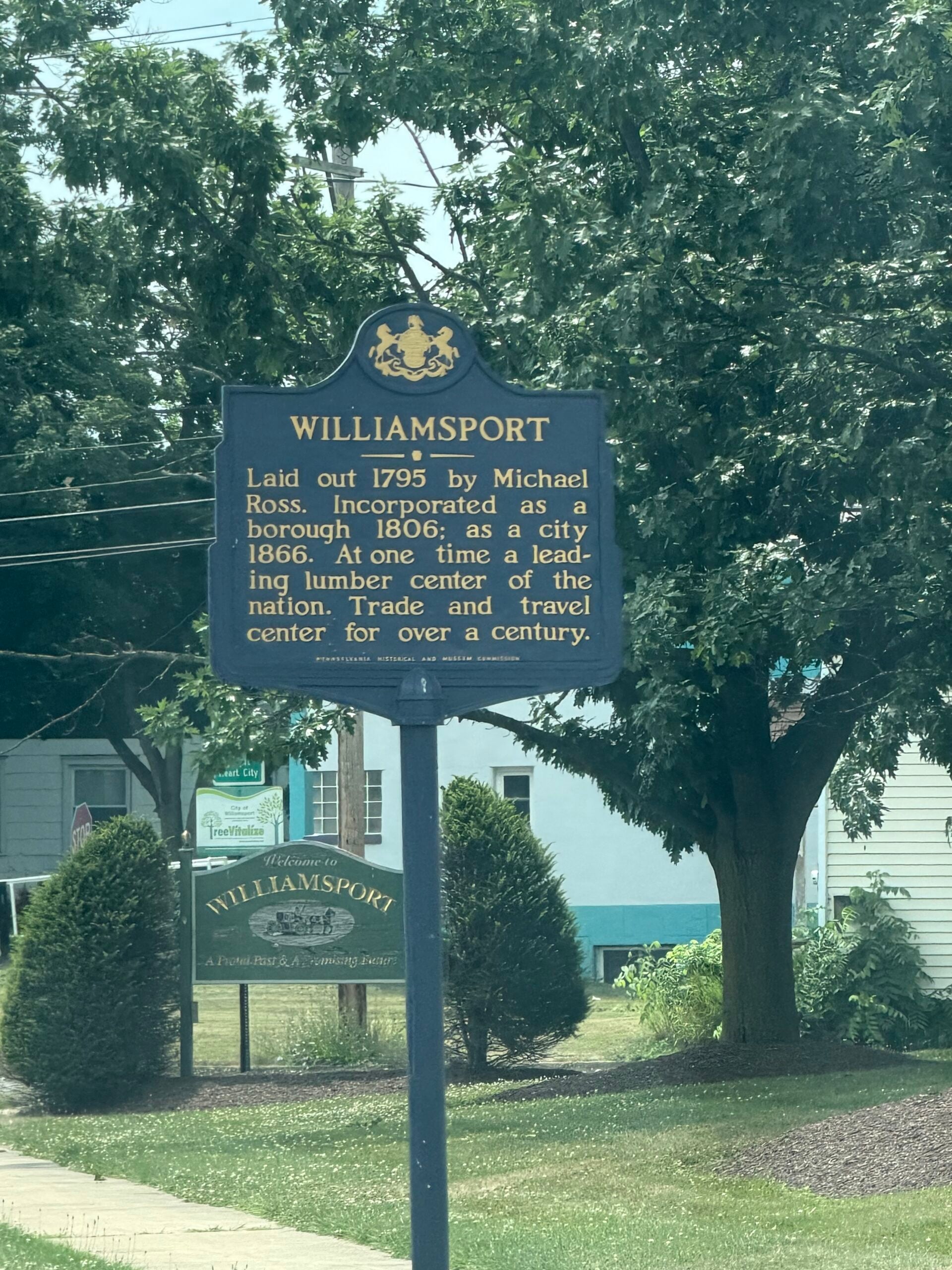
Stop #10 – Williamsport

Laid out 1795 by Michael Ross. Incorporated as a borough 1806; as a city 1866. At one time a leading lumber center of the nation. Trade and travel center for over a century.

Discovering Lumber Hertitage Through History and Education

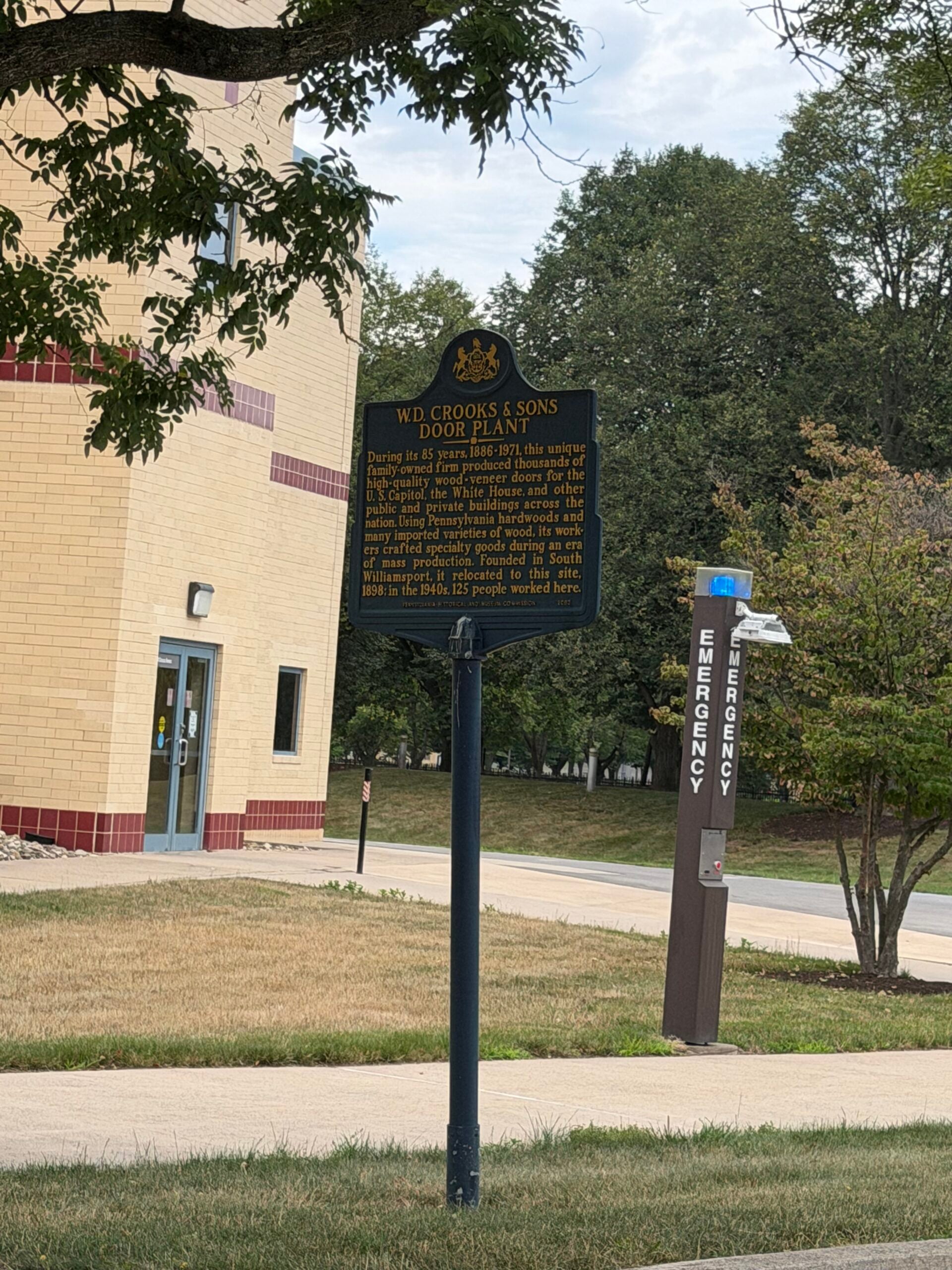
Stop #11 – W. D. Crooks & Sons Door Plant

During its 85 years, 1886-1971, this unique family-owned firm produced thousands of high-quality wood-veneer doors for the U.S. Capitol, the White House, and other public and private buildings across the nation. Using Pennsylvania hardwoods and many imported varieties of wood, its workers crafted specialty goods during an era of mass production. Founded in South Williamsport, it relocated to this site, 1898; in the 1940’s, 125 people worked here.


Discovering Lumber Hertitage Through History and Education

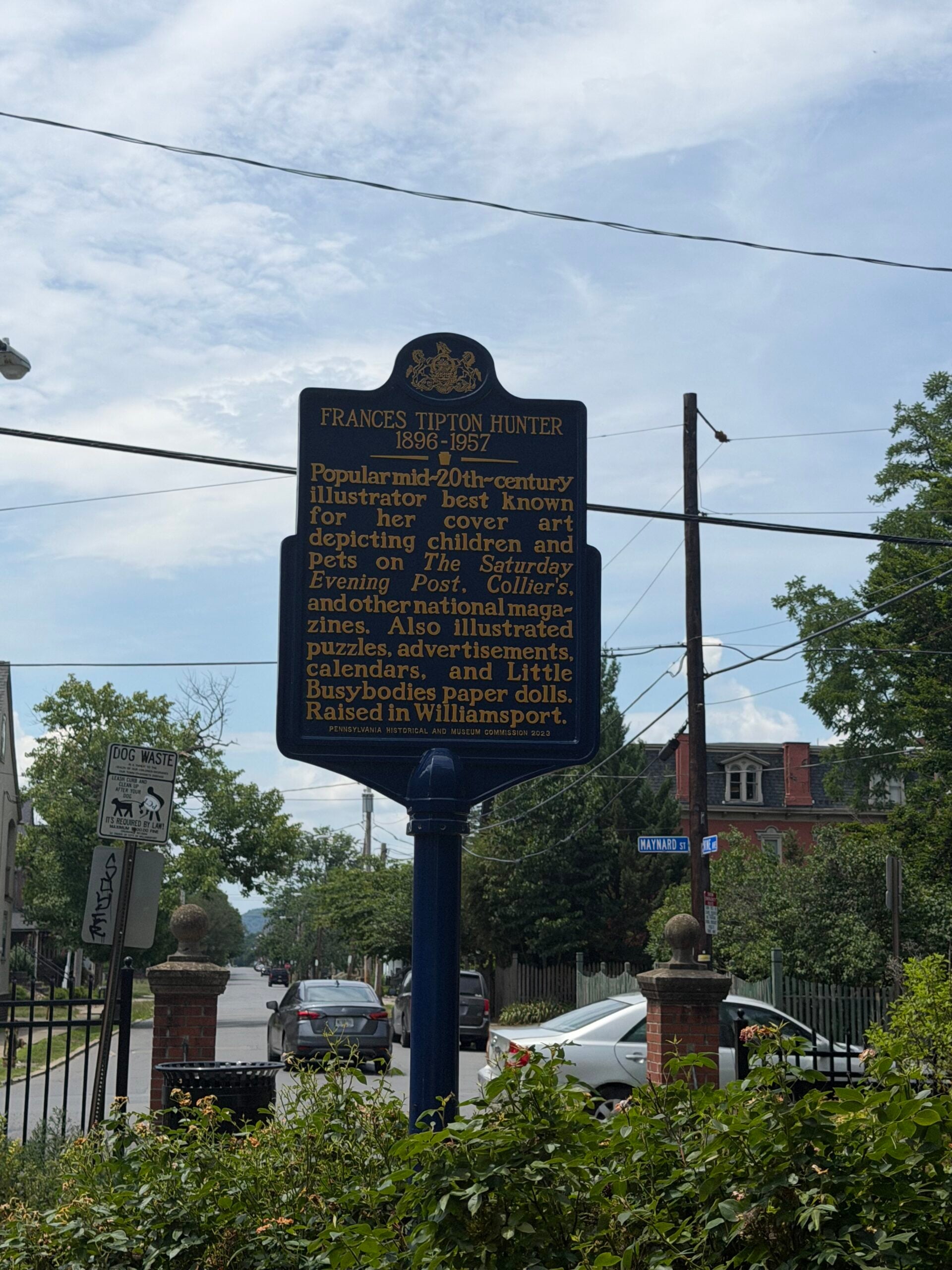
Stop #12 – Frances Tipton Hunter (1896-1957)

Popular mid-20th-century illustrator best known for her cover art depicting children and pets on The Saturday Evening Post, Collier’s, and other national magazines. Also illustrated puzzles, advertisements, calendars, and Little Busybodies paper dolls. Raised in Williamsport.

Discovering Lumber Hertitage Through History and Education

Stop #13 – Julia C. Collins (? – 1865)

Essayist, teacher, and author, her work, The Curse of Caste, is considered to be among the first published novels by an African American woman. In 1865, it was serialized in the African Methodist Episcopal Christian Recorder, a publication with nationwide circulation. Her life and writings provide a glimpse into the rarely documented experiences of nineteenth-century African American women, their families, and their communities.


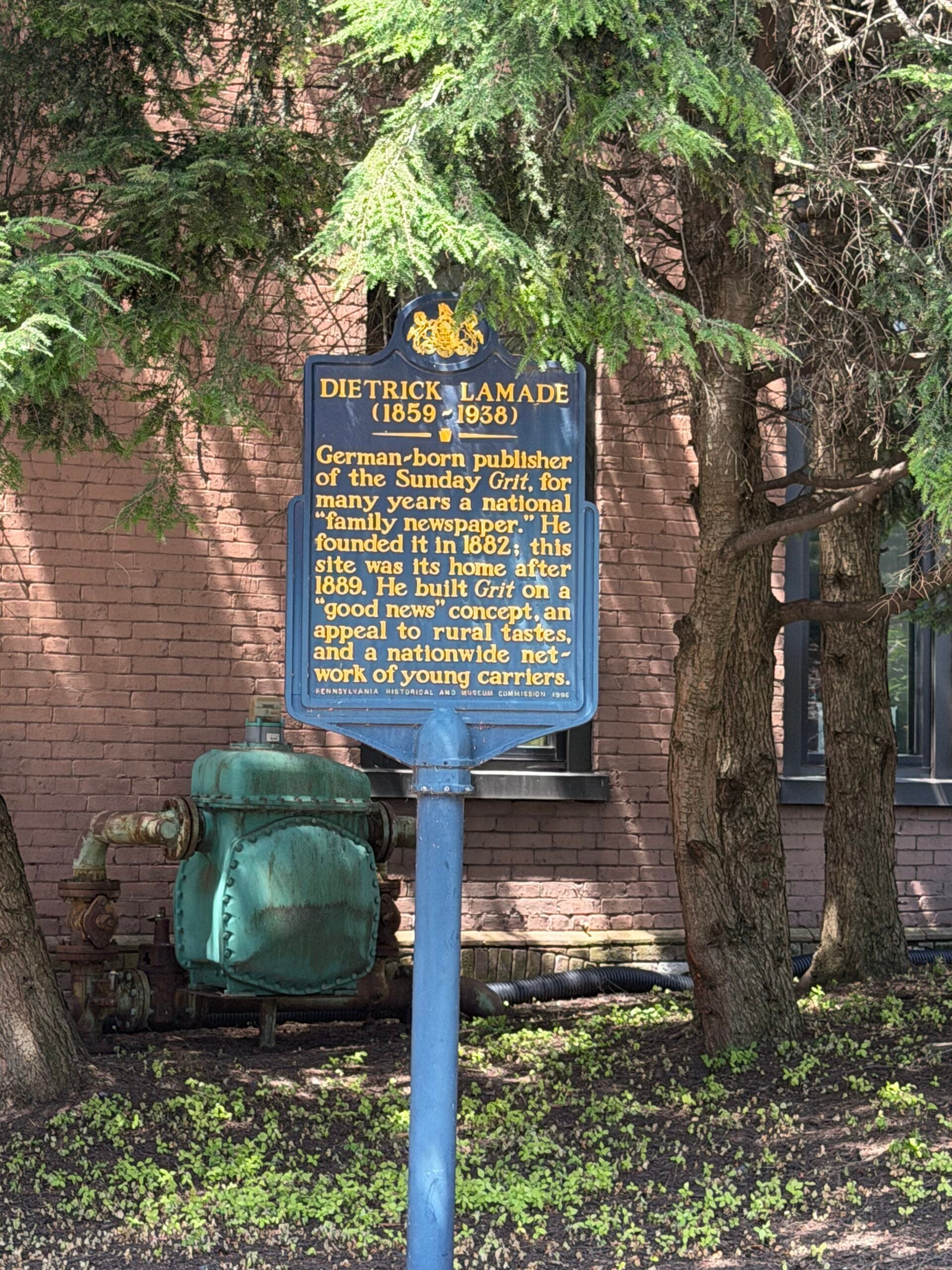
Stop #14 – Dietrick Lamade

German-born publisher of the Sunday Grit, for many years a national “family newspaper.” He founded it in 1882; this site was its home after 1889. He built Grit on a “good news” concept, an appeal to rural tastes, and a nationwide network of young carriers.


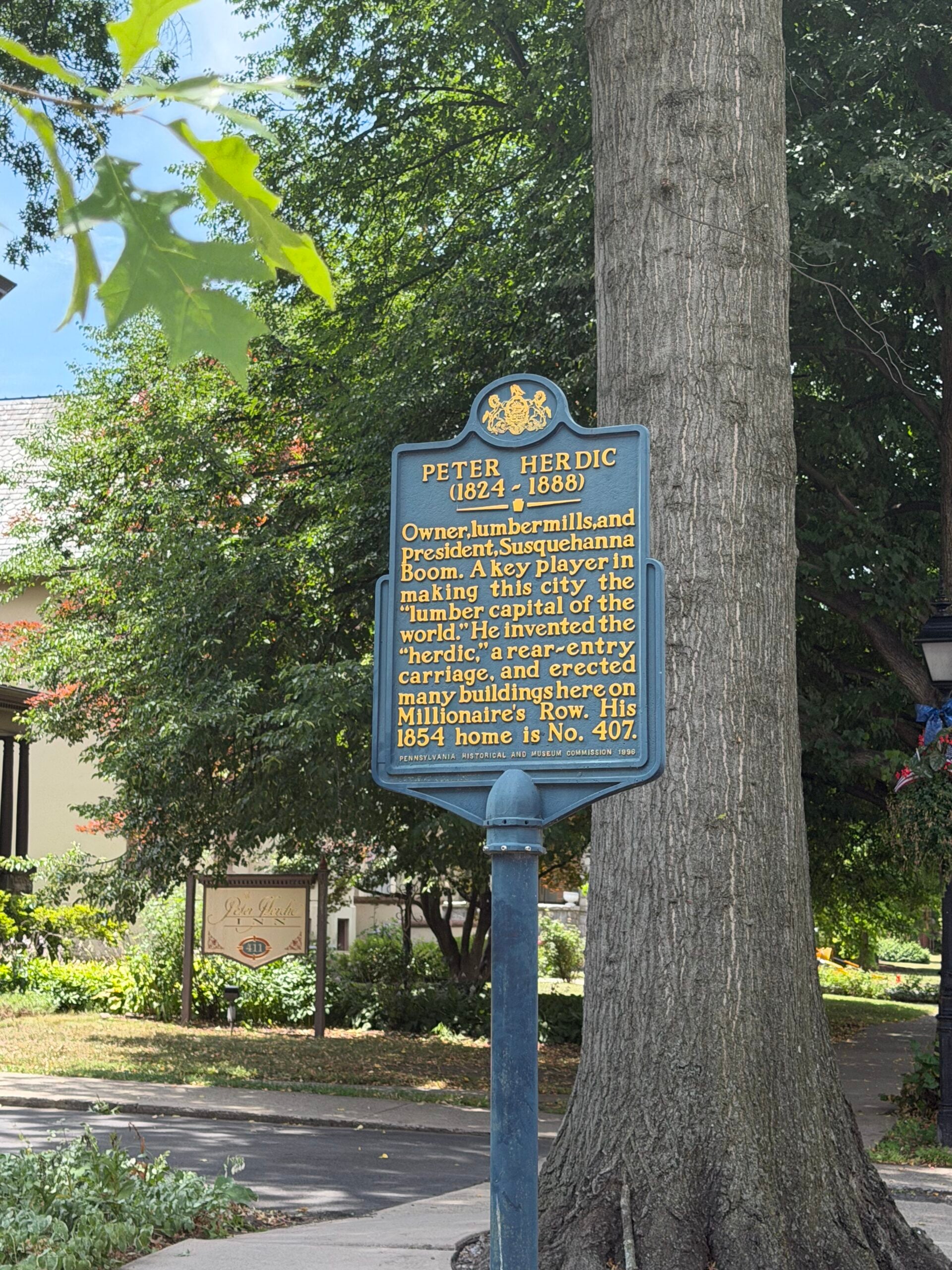
Stop #15 – Peter Herdic

Owner, lumber mills, and president, Susquehanna Boom. A key player in making this city the “lumber capital of the world.” He invented the “herdic,” a rear-entry carriage, and erected many buildings here on Millionaire’s Row. His 1854 home is No. 407.


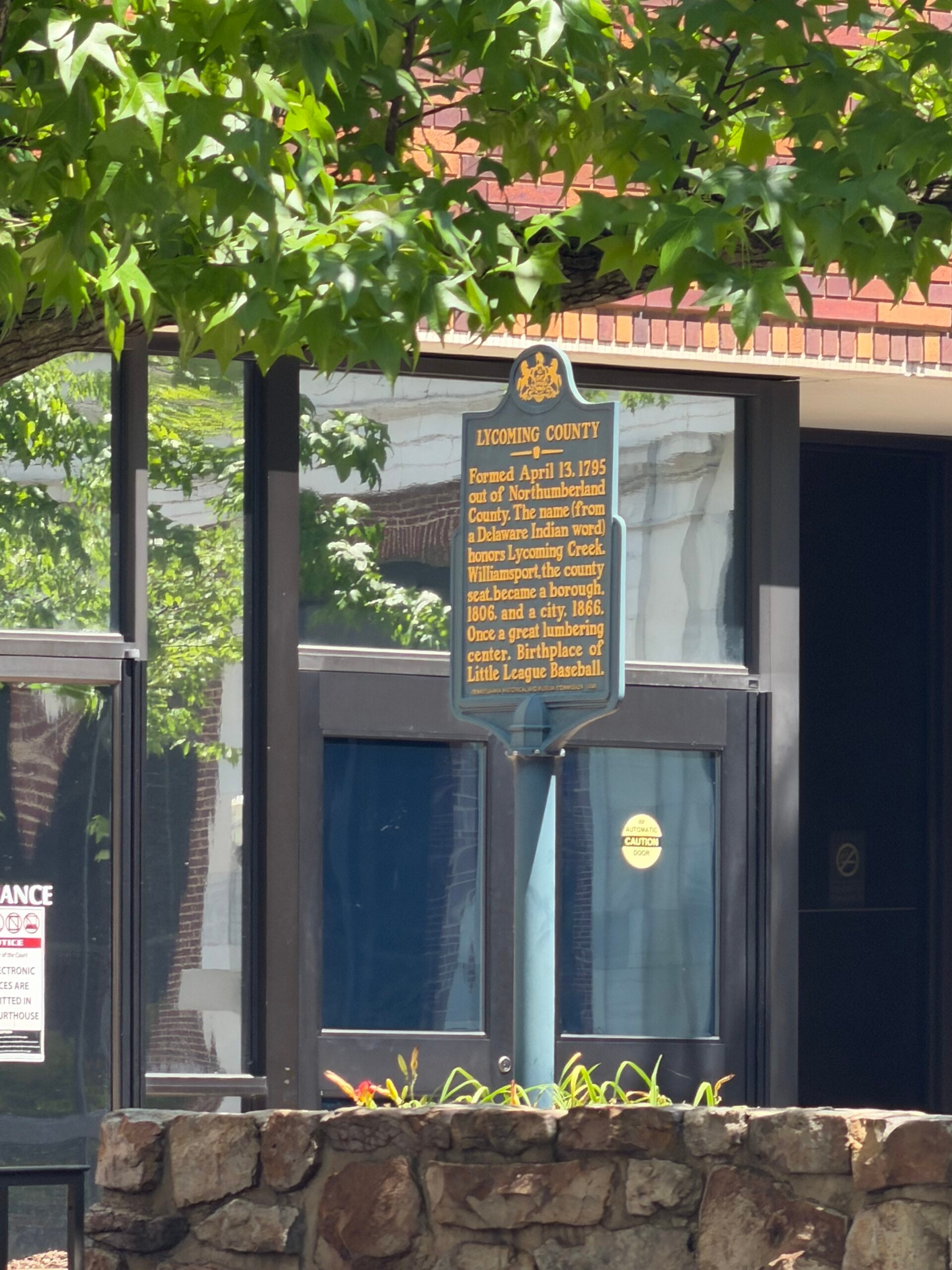
Stop #16 – Lycoming County

Formed April 13, 1795 out of Northumberland County. The name (from a Delaware Indian word) honors Lycoming Creek. Williamsport, the county seat, became a borough, 1806, and a city, 1866. Once a great lumbering center. Birthplace of Little League Baseball.

Stop #17 – Repass Band

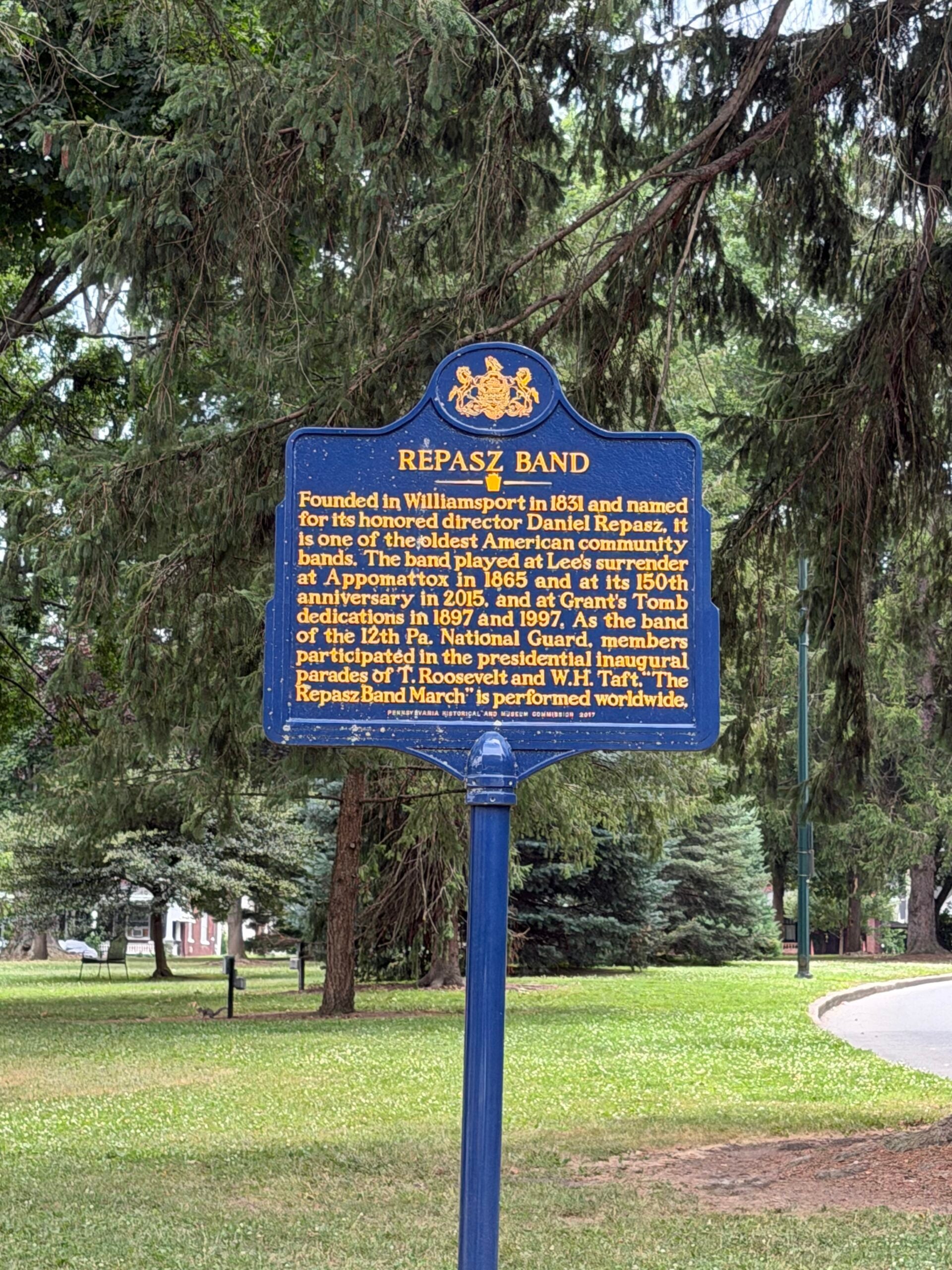
Founded in Williamsport in 1831 and named for its honored director Daniel Repasz, it is one of the oldest American community bands. The band played at Lee’s surrender at Appomattox in 1865 and at its 150th anniversary in 2015, and at Grant’s Tomb dedications in 1897 and 1997. As the band of the 12th Pa. National Guard, members participated in the presidential inaugural parades of T. Roosevelt and W.H. Taft. “The Repasz Band March” is performed worldwide.

Discovering Lumber Hertitage Through History and Education

Stop #18 – Susquehanna Log Boom

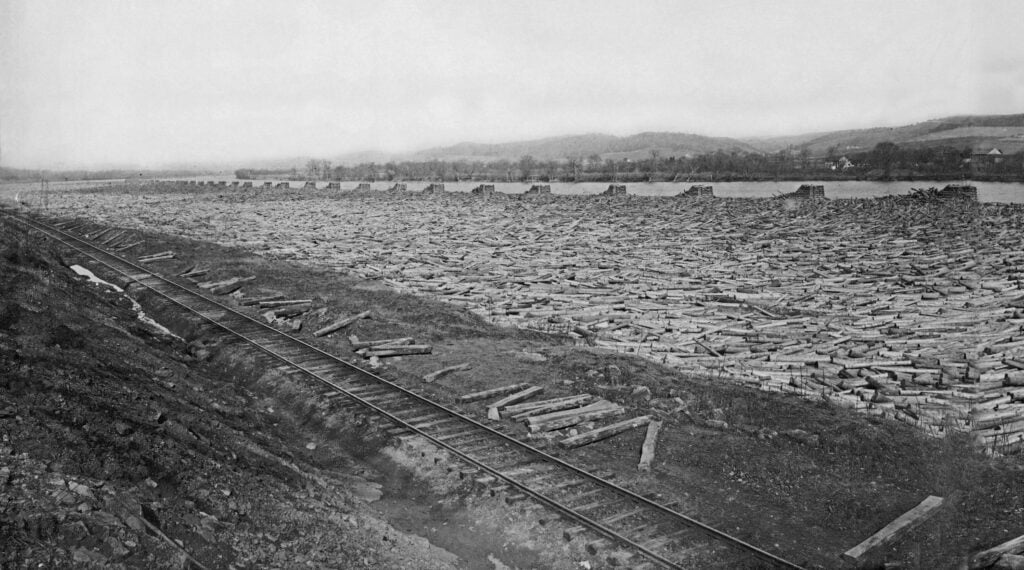
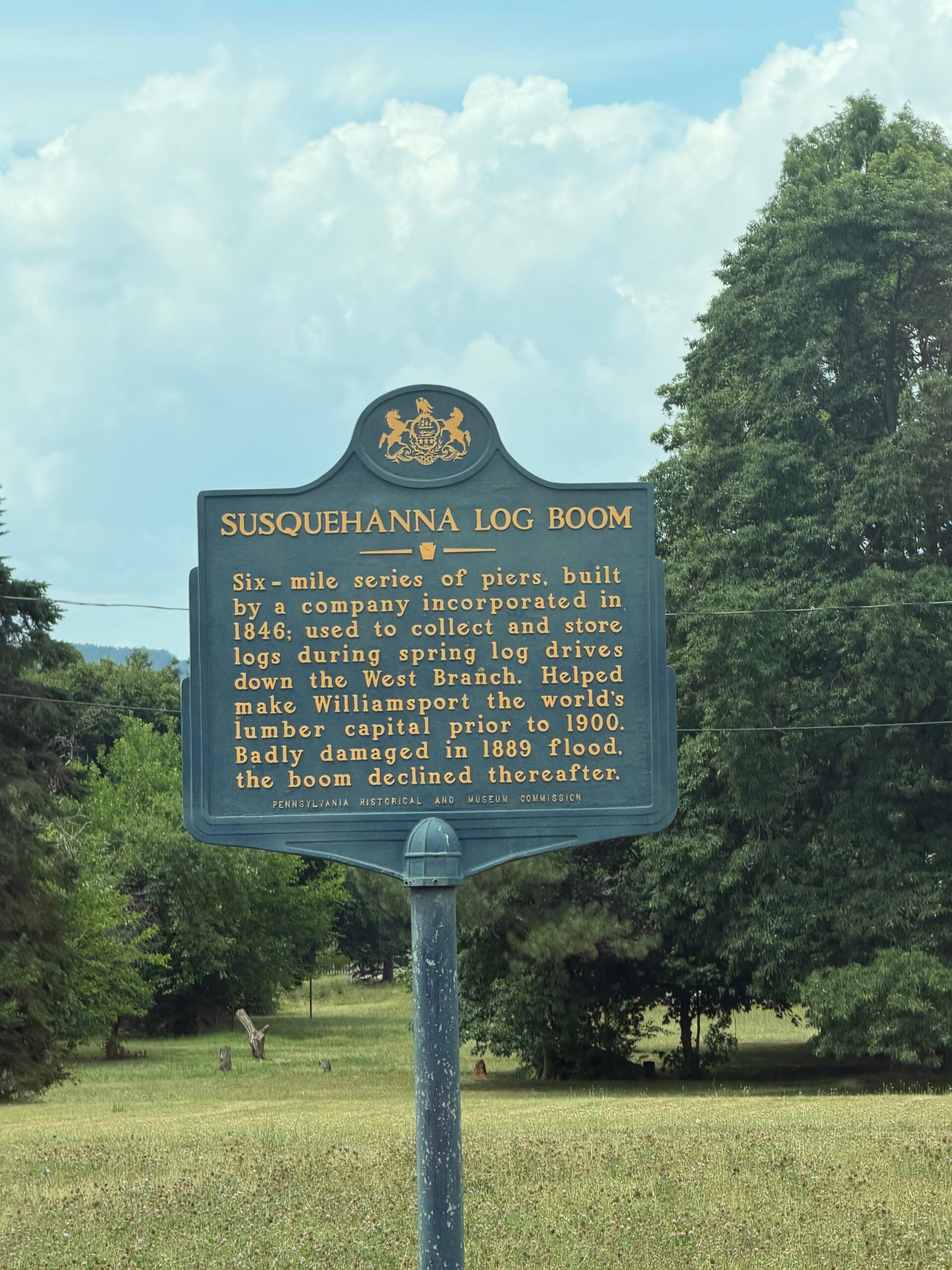
Six-mile series of piers, built by a company incorporated in 1846; used to collect and store logs during spring log drives down the West Branch. Helped make Williamsport the world’s lumber capital prior to 1900. Badly damaged in 1889 flood, the boom declined thereafter.

Discovering Lumber Hertitage Through History and Education

Stop #19 – Fort Muncy

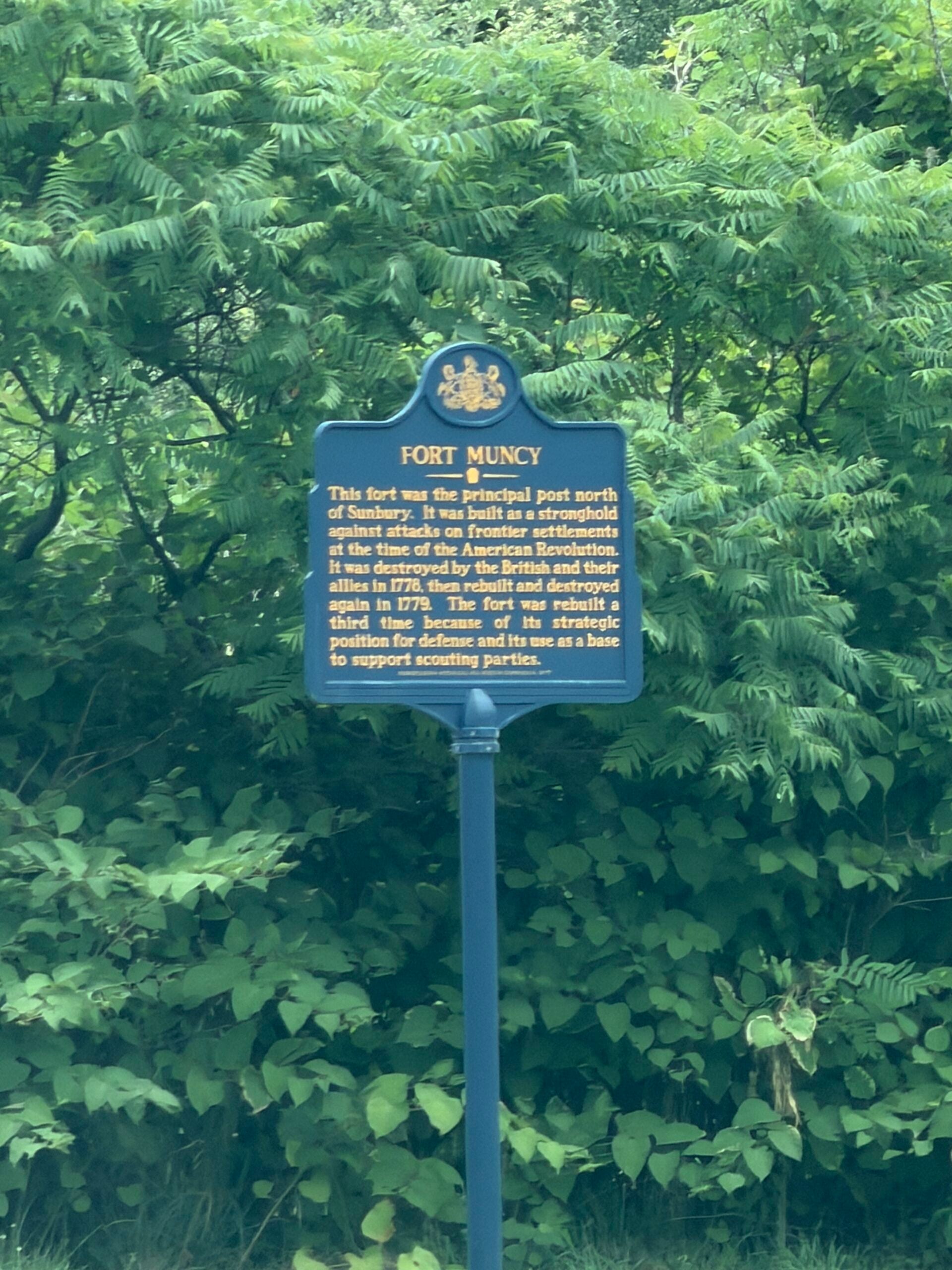
This fort was the principal post north of Sunbury. It was built as a stronghold against attacks on frontier settlements at the time of the American Revolution. It was destroyed by the British and their allies in 1778, then rebuilt and destroyed again in 1779. The fort was rebuilt a third time because of its strategic position for defense and its use as a base to support scouting parties.

Discovering Lumber Hertitage Through History and Education

Stop #20 – Pennsylvania Canal (West Branch Division)

This Division, built 1828-1834, extended from Northumberland to Farrandsville. Used to Lock Haven until 1889, to Muncy Dam until 1901. Beyond the woods to the south, 1400 feet of vertical wall, 22 feet high, built along the river, support the old towpath.

Discovering Lumber Hertitage Through History and Education

Stop #21 – Pennsdale Meeting

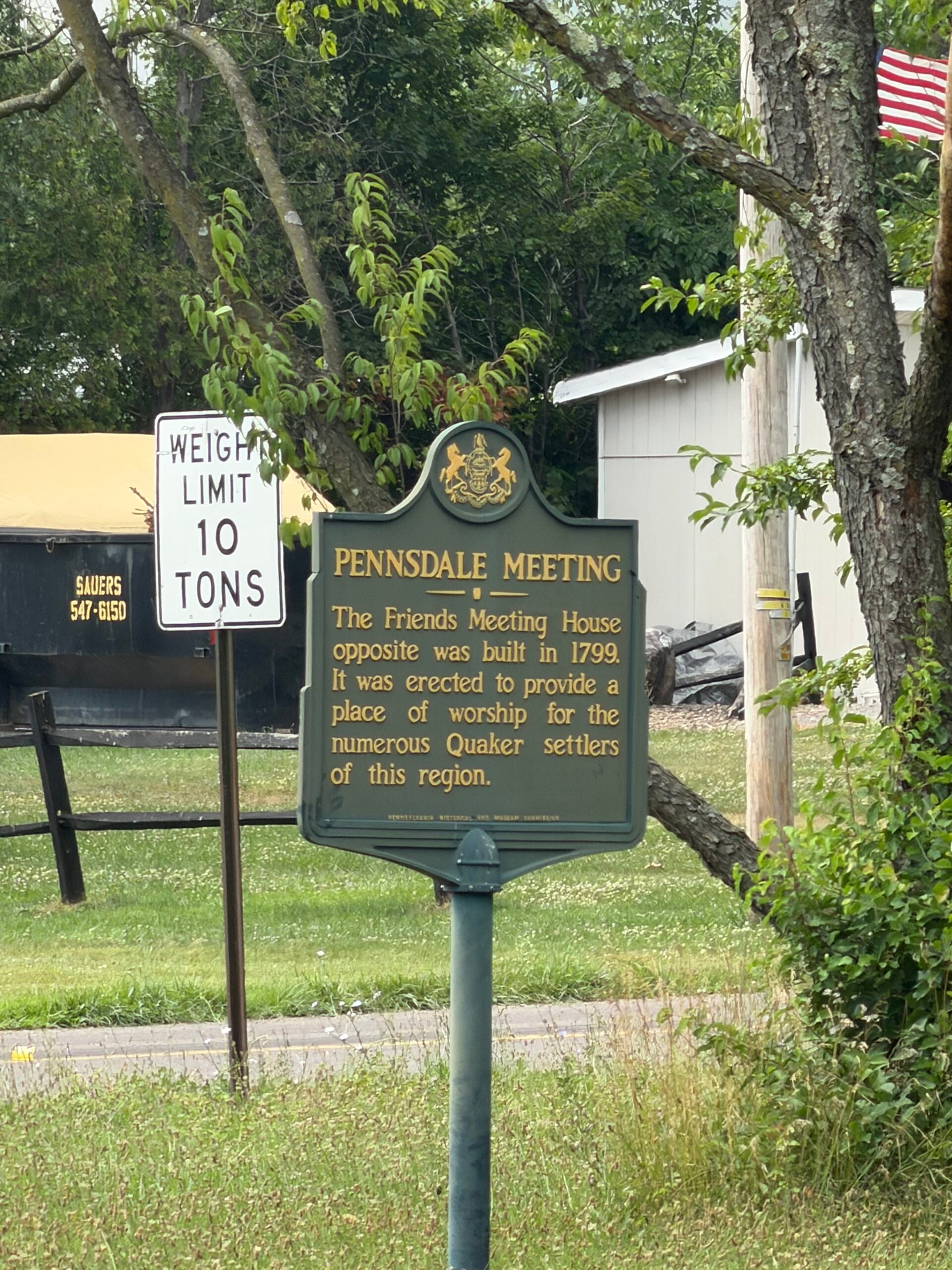
The Friends Meeting House opposite was built in 1799. It was erected to provide a place of worship for the numerous Quaker settlers of this region.


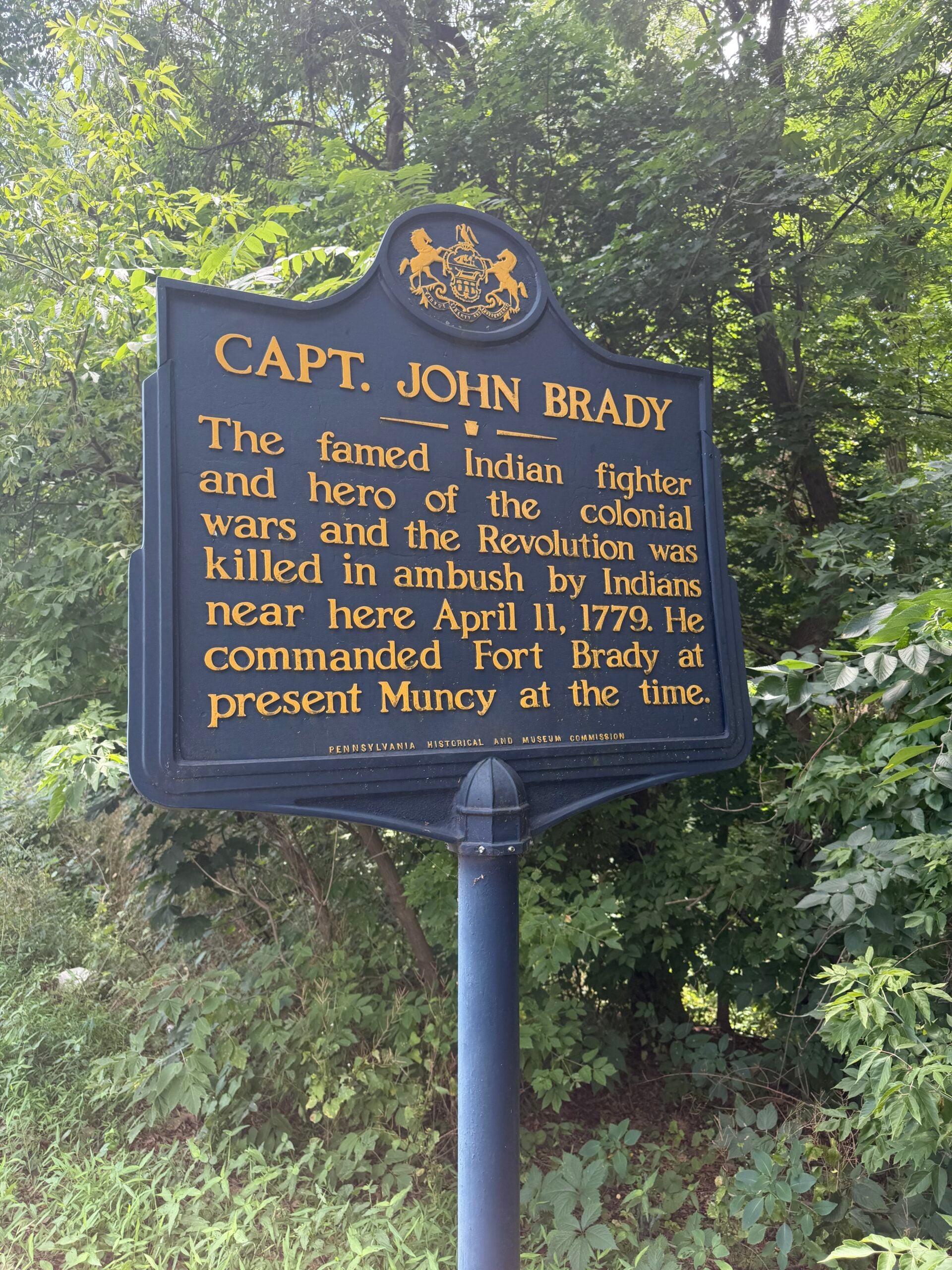
Stop #22 – Capt. John Brady

The famed Indian fighter and hero of the colonial wars and the Revolution was killed in ambush by Indians near here April 11, 1779. He commanded Fort Brady at present Muncy at the time.


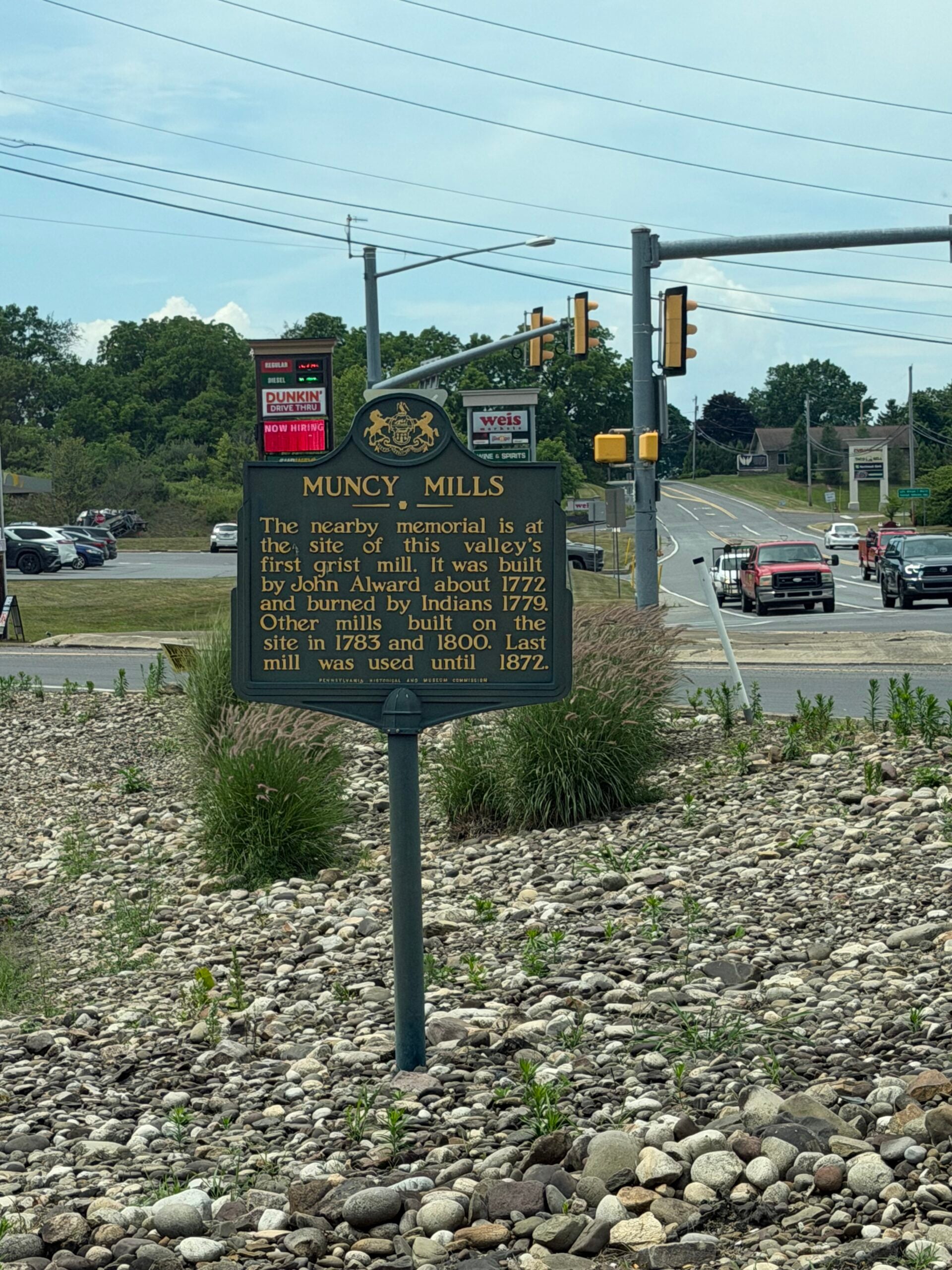
Stop #23 – Muncy Mills

The nearby memorial is at the site of this valley’s first grist mill. It was built by John Alward about 1772 and burned by Indians 1779. Other mills built on the site in 1783 and 1800. Last mill was used until 1872.


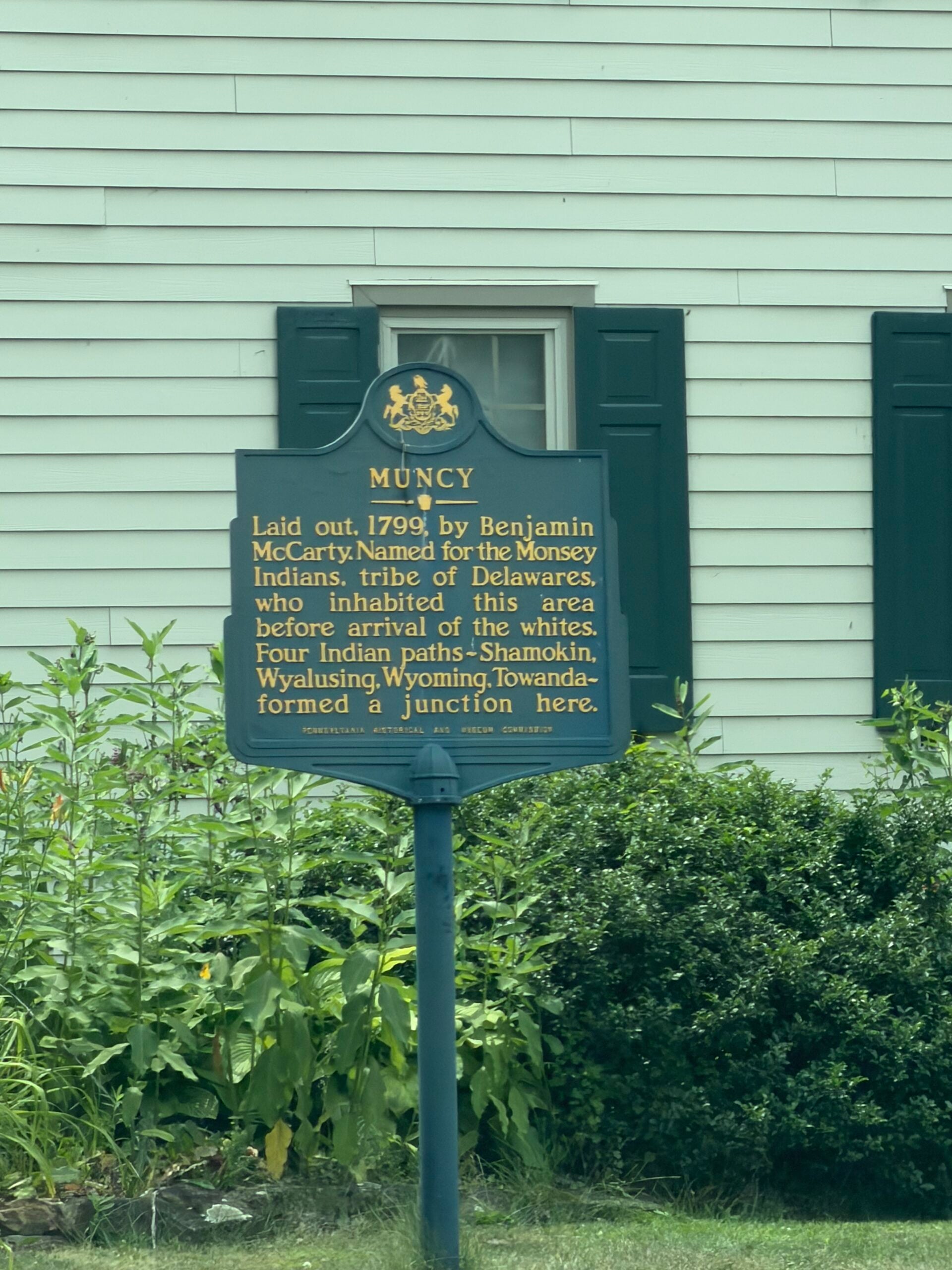
Stop #24 – Muncy

Laid out, 1799, by Benjamin McCarty. Named for the Monsey Indians, tribe of Delawares, who inhabited this area before arrival of the whites. Four Indian paths – Shamokin, Wyalusing, Wyoming, Towanda – formed a junction here.

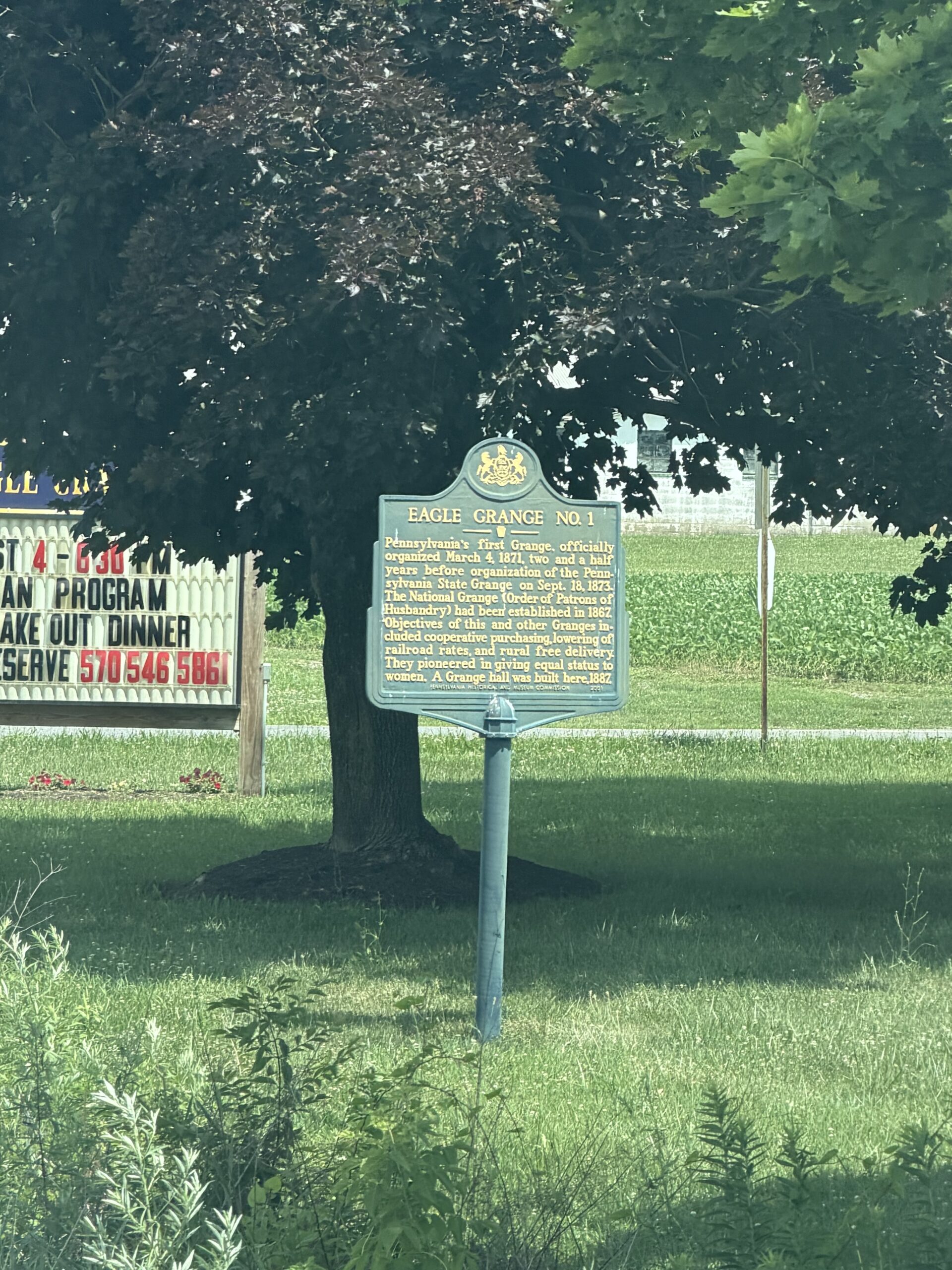
Stop #25 – Eagle Grange No. 1

Pennsylvania’s first Grange, officially organized March 4, 1871, two and a half years before organization of the Pennsylvania State Grange on Sept. 18, 1873. The National grange (order of Patrons of Husbandry) had been established in 1867. Objectives of this and other Granges included cooperative purchasing, lowering of railroad rates, and rural free delivery. They pioneered in giving equal status to women. A Grange hall was built here, 1887.

Discovering Lumber Hertitage Through History and Education

Stop #26 – Antes Fort – PLAQUE

About one half a mile southwest of this spot, on the high bluff above the river, stood the stockade known as Antes Fort. Erected by Lieut. Col. John Henry Antes in the summer of 1777. This fort was an important rallying point for the settlers in this region. It was destroyed by the Indians and Tories in July, 1778, at the time of the big runaway, when the entire valley was abandoned by the white settlers. In memory of the following who lost their lives during the Indian raids in this region. [plaque includes list of names of 4 victims at Ft. Antes and 3 at Ft. Horn.]

Discovering Lumber Hertitage Through History and Education

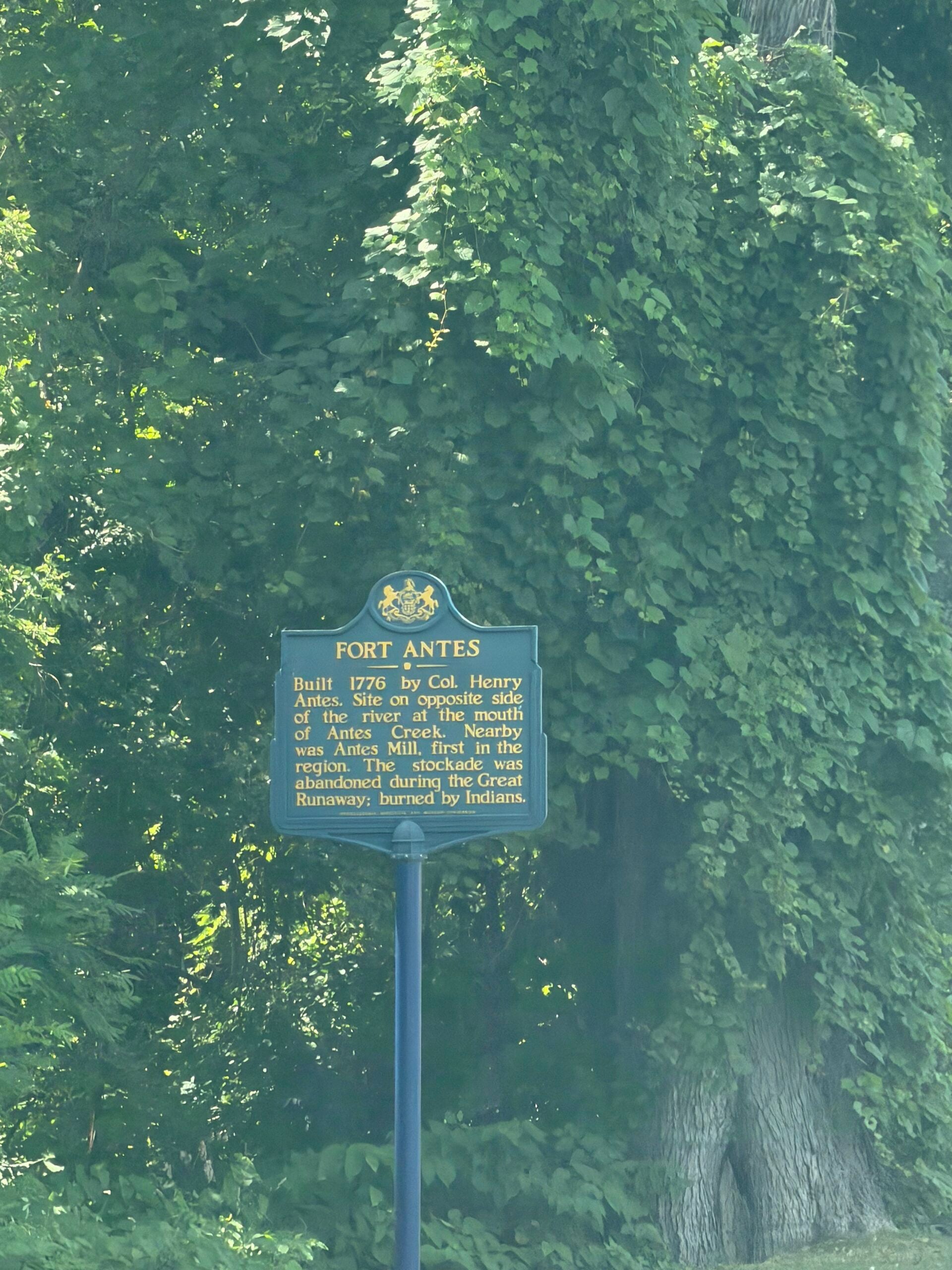
Stop #27 – Fort Antes

Built 1776 by Col. Henry Antes. Site on the opposite side of the river at the mouth of Antes Creek. Nearby was Antes Mill, first in the region. The stockade was abandoned during the Great Runaway; burned by Indians.

Discovering Lumber Hertitage Through History and Education

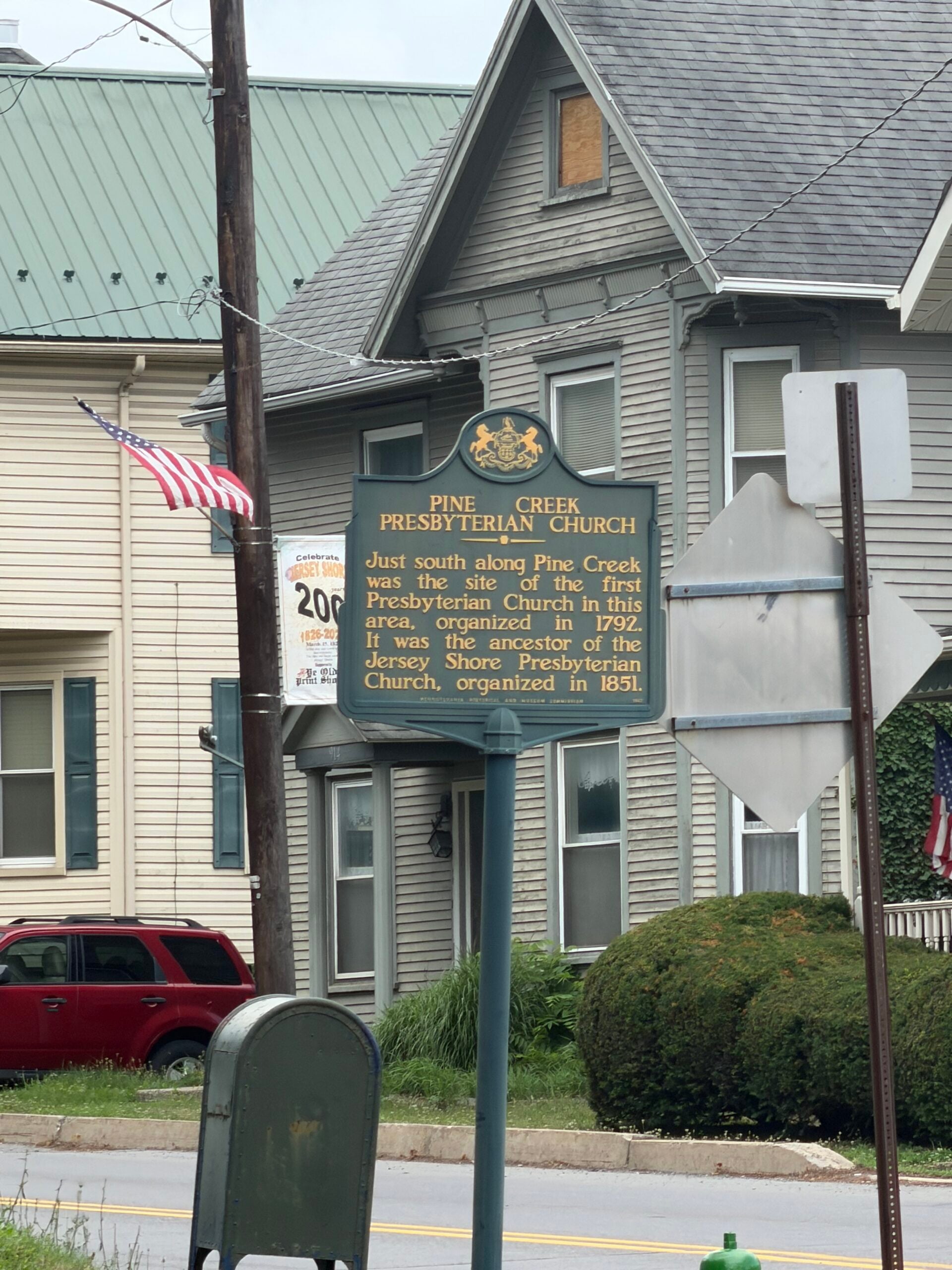
Stop #28 – Pine Creek Presbyterian Church

Just south along Pine Creek was the site of the first Presbyterian Church in this area, organized in 1792. It was the ancestor of the Jersey Shore Presbyterian Church, organized in 1851.

Discovering Lumber Hertitage Through History and Education

Follow Us on Instagram