Visit / PA Historical Marker Trail

Indiana County

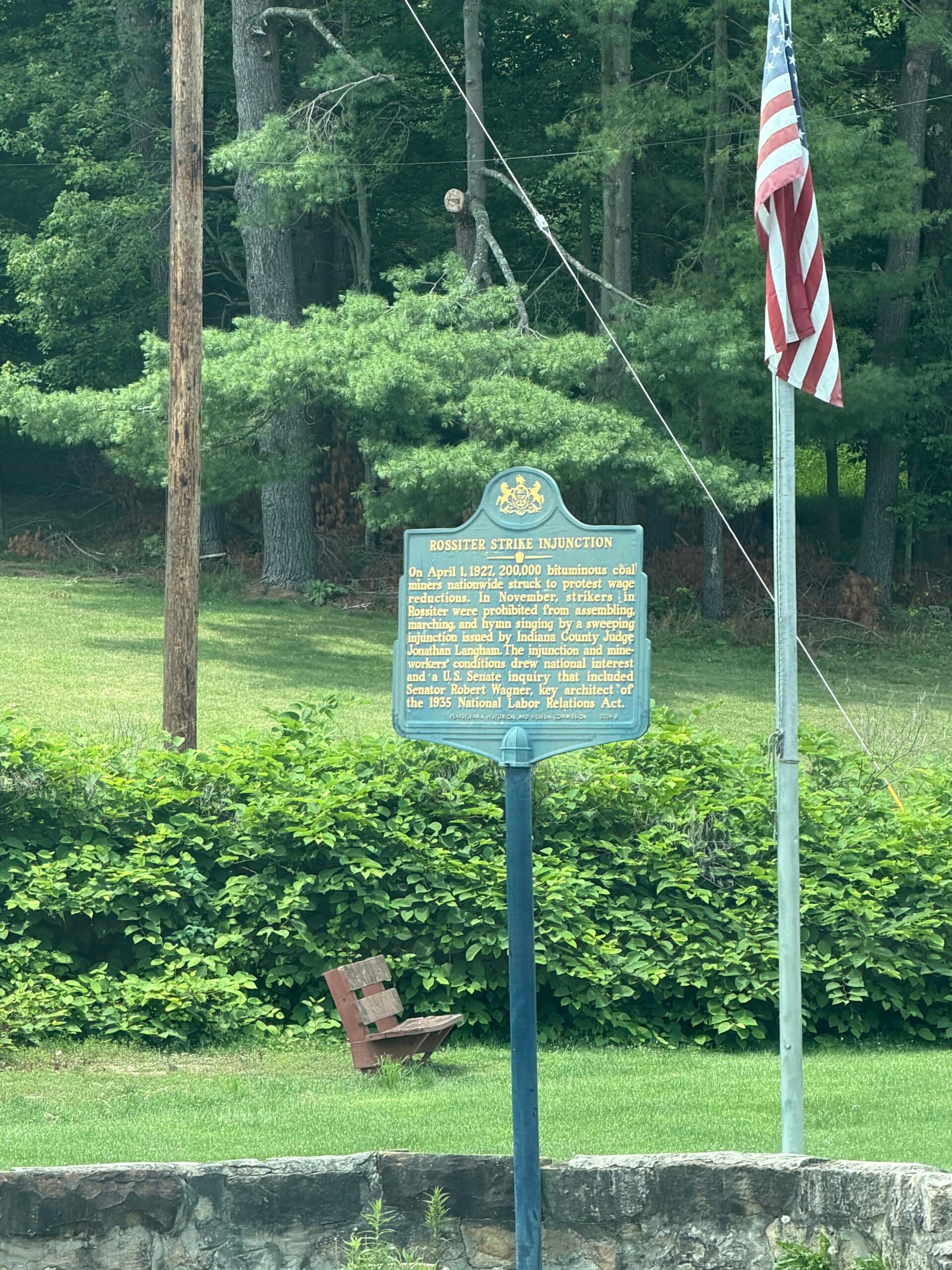
Stop #1 – Rossiter Strike Injunction

On April 1, 1927, 200,000 bituminous coal miners nationwide struck to protest wage reductions. In November, strikers in Rossiter were prohibited from assembling, marching, and hymn singing by a sweeping injunction issued by Indiana County Judge Jonathan Langham. The injunction and mine-workers’ conditions drew national interest and a U.S. Senate inquiry that included Senator Robert Wagner, key architect of the 1935 National Labor Relations Act.

Discovering Lumber Hertitage Through History and Education

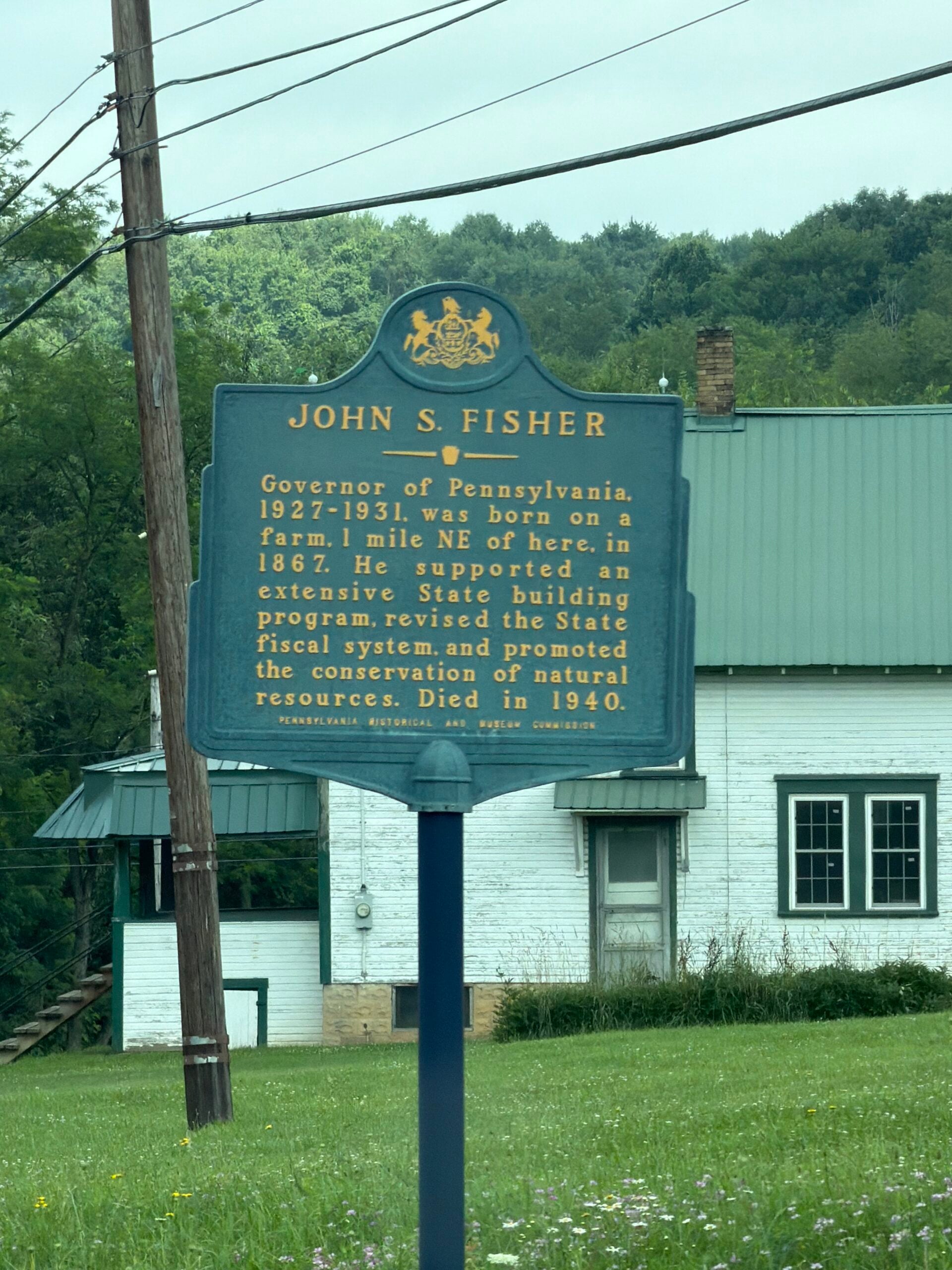
Stop #2 – John S. Fisher

Governor of Pennsylvania, 1927-1931, was born on a farm, 1 mile NE of here, in 1867. He supported an extensive State building program, revised the State fiscal system, and promoted the conservation of natural resources. Died in 1940.

Discovering Lumber Hertitage Through History and Education

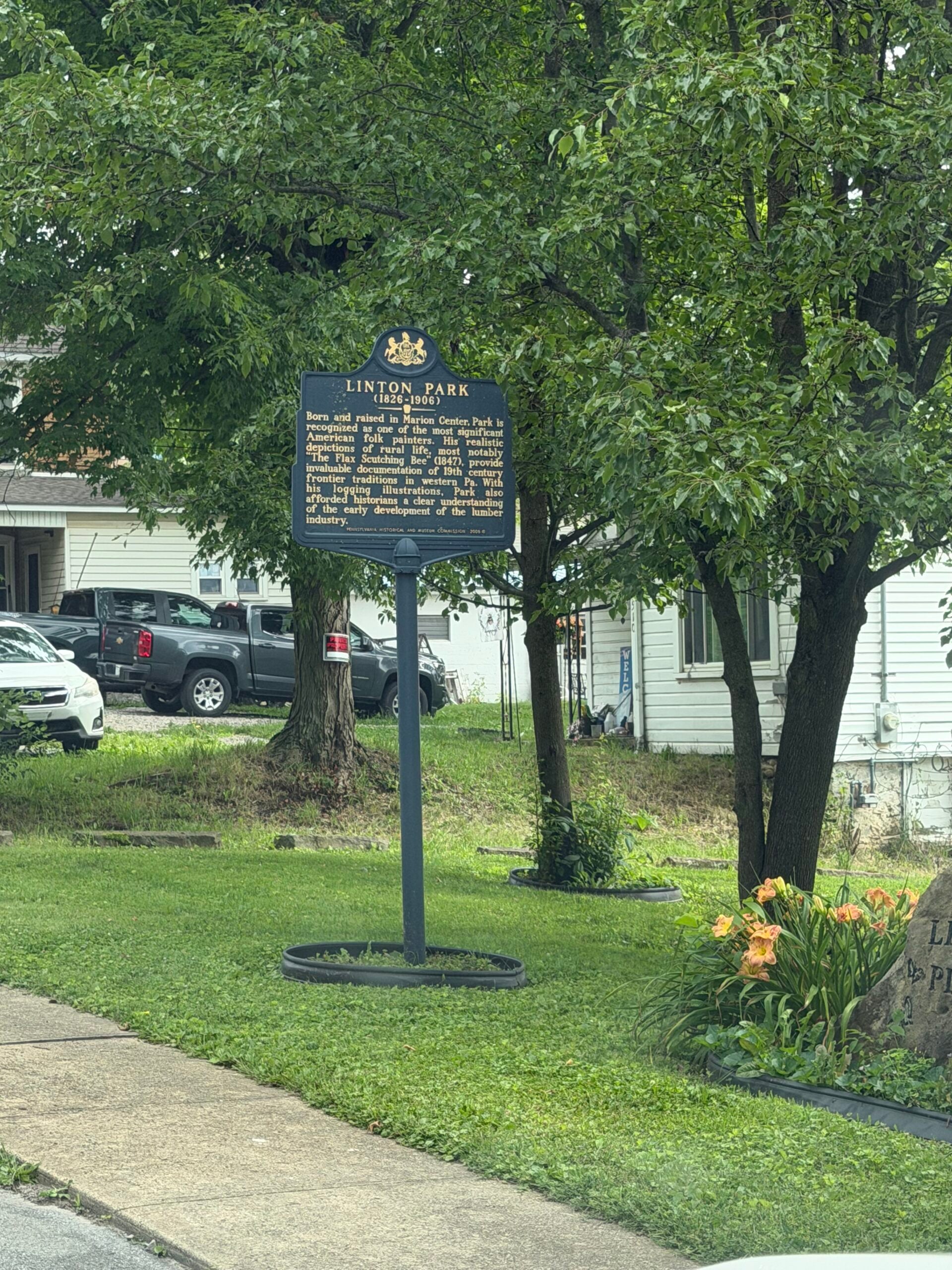
Stop #3 – Linton Park (1826-1906)

Born and raised in Marion Center, Park is recognized as one of the most significant American folk painters. His realistic depictions of rural life, most notably “The Flax Scutching Bee” (1847), provide invaluable documentation of 19th century frontier traditions in western Pa. With his logging illustrations, Park also afforded historians a clear understanding of the early development of the lumber industry.

Discovering Lumber Hertitage Through History and Education

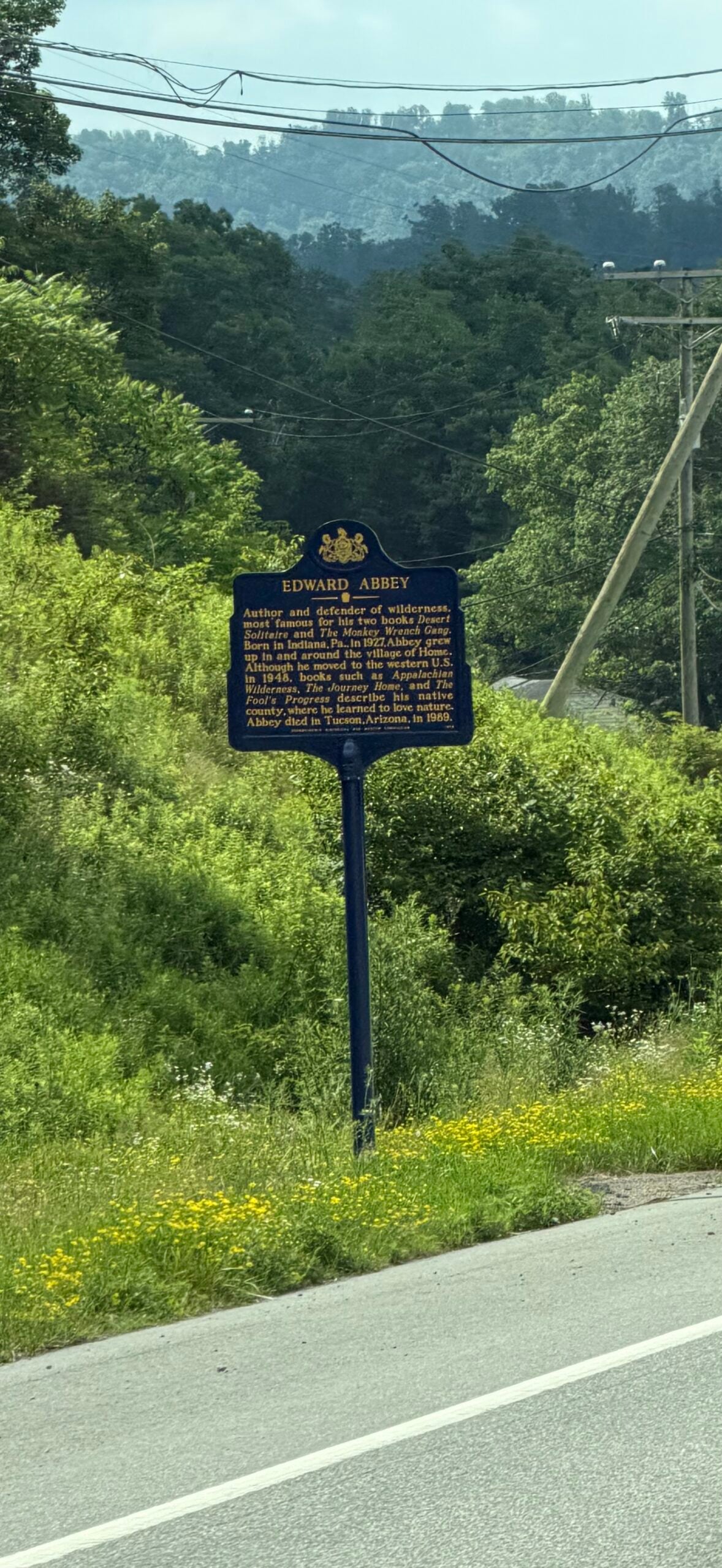
Stop #4 – Edward Abbey

Author and defender of wilderness, most famous for his two books Desert Solitaire and The Monkey Wrench Gang. Born in Indiana, Pa., in 1927, Abbey grew up in and around the village of Home. Although he moved to the western U.S. in 1948, books such as Appalachian Wilderness, The Journey Home, and The Fool’s Progress describe his native county, where he learned to love nature. Abbey died in Tucson, Arizona, in 1989.

Discovering Lumber Hertitage Through History and Education

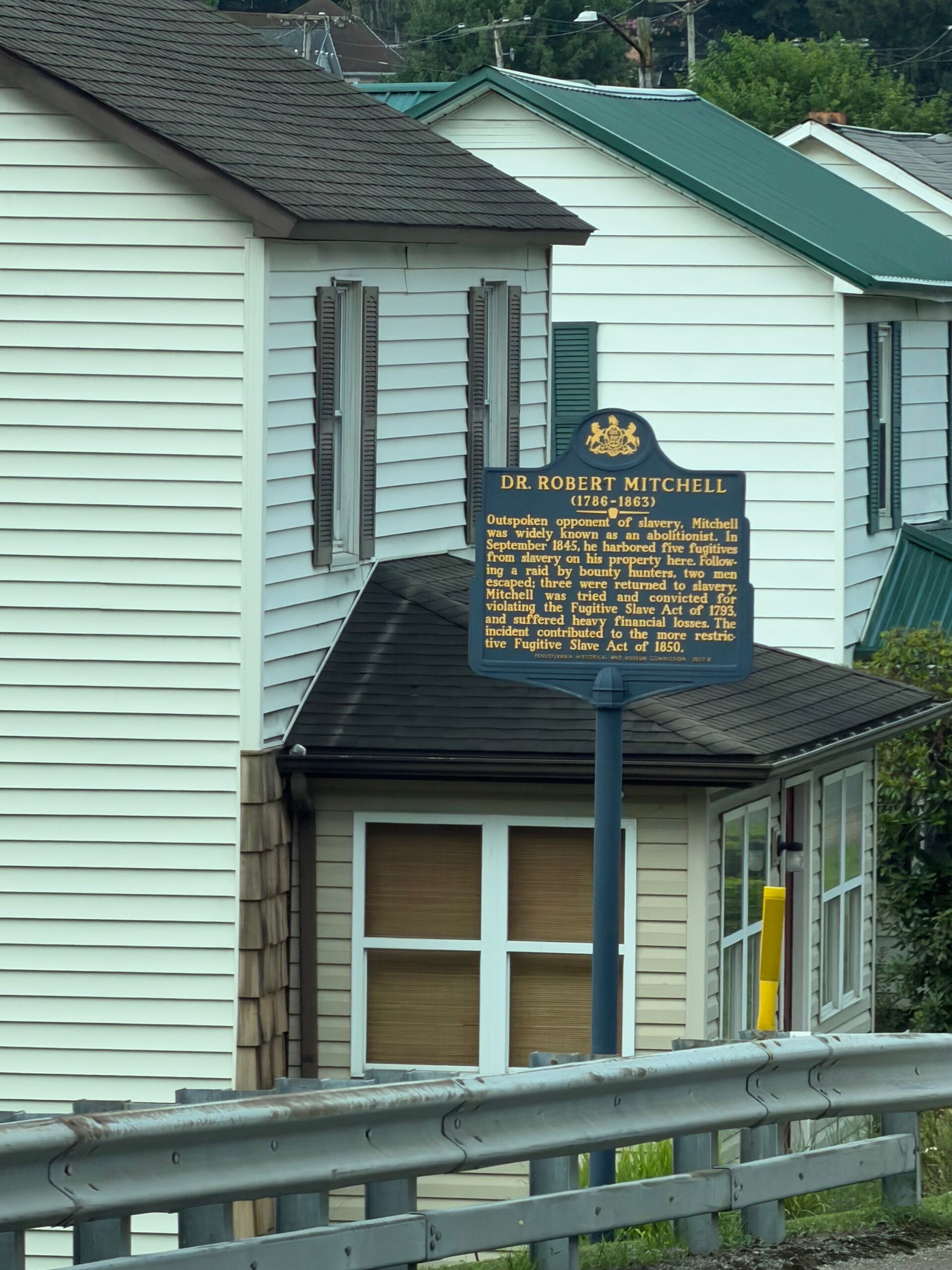
Stop #5 – Dr. Robert Mitchell (1786-1863)

Outspoken opponent of slavery, Mitchell was widely known as an abolitionist. In September 1845, he harbored five fugitives from slavery on his property here. Following a raid by bounty hunters, two men escaped; three were returned to slavery. Mitchell was tried and convicted for violating the Fugitive Slave Act of 1793, and suffered heavy financial losses. The incident contributed to the more restrictive Fugitive Slave Act of 1850.


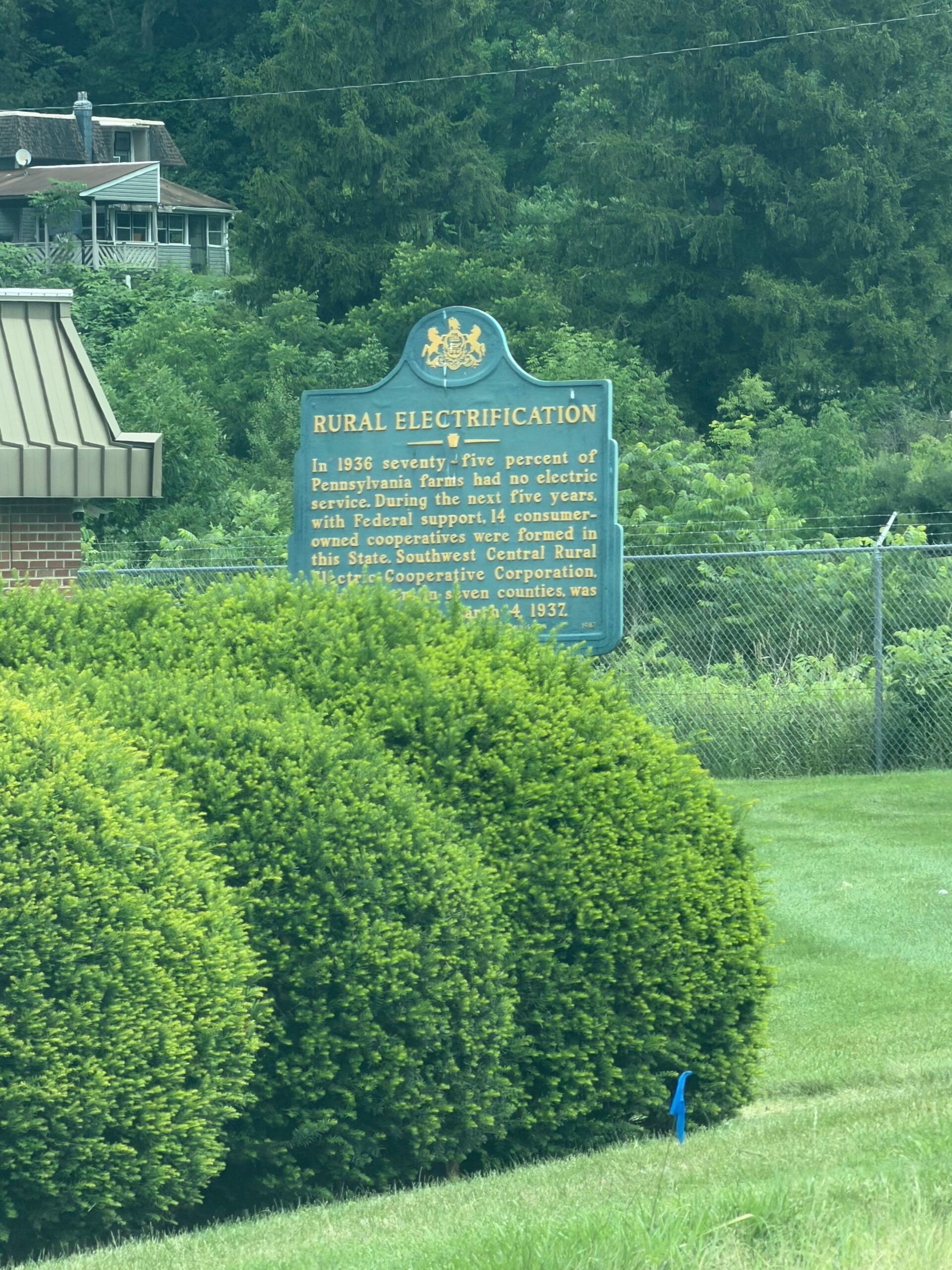
Stop #6 – Rural Electrification

In 1936 seventy-five percent of Pennsylvania farms had no electric service. During the next five years, with Federal support, 14 consumer-owned cooperatives were formed in this State. Southwest Central Rural Electric Cooperative Corporation, serving users in seven counties, was incorporated March 4, 1937.


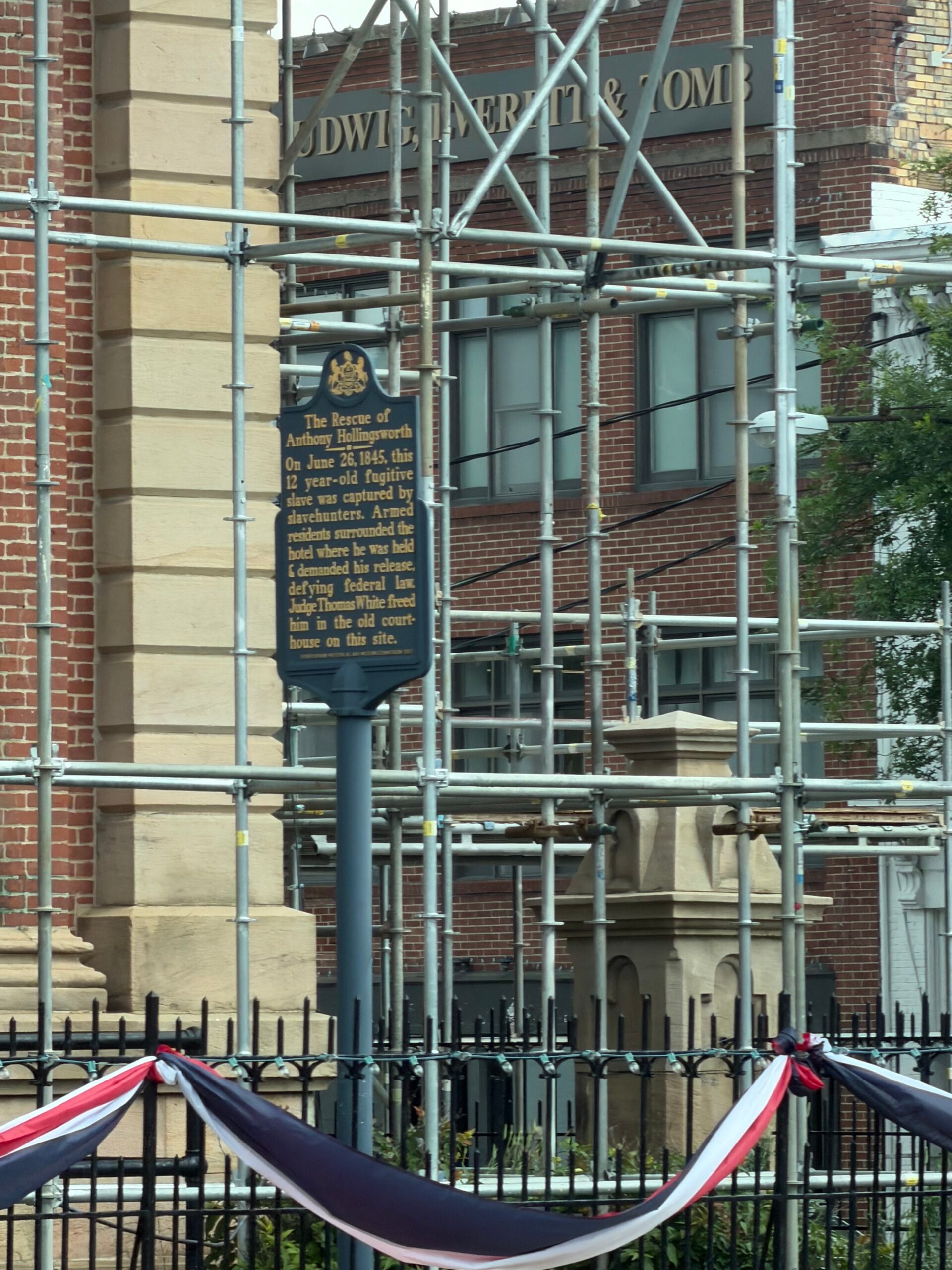
Stop #7 – The Rescue of Anthony Hollingsworth

On June 26, 1845, this 12 year-old fugitive slave was captured by slave hunters. Armed residents surrounded the hotel where he was held & demanded his release, defying federal law. Judge Thomas White freed him in the old courthouse on this site.


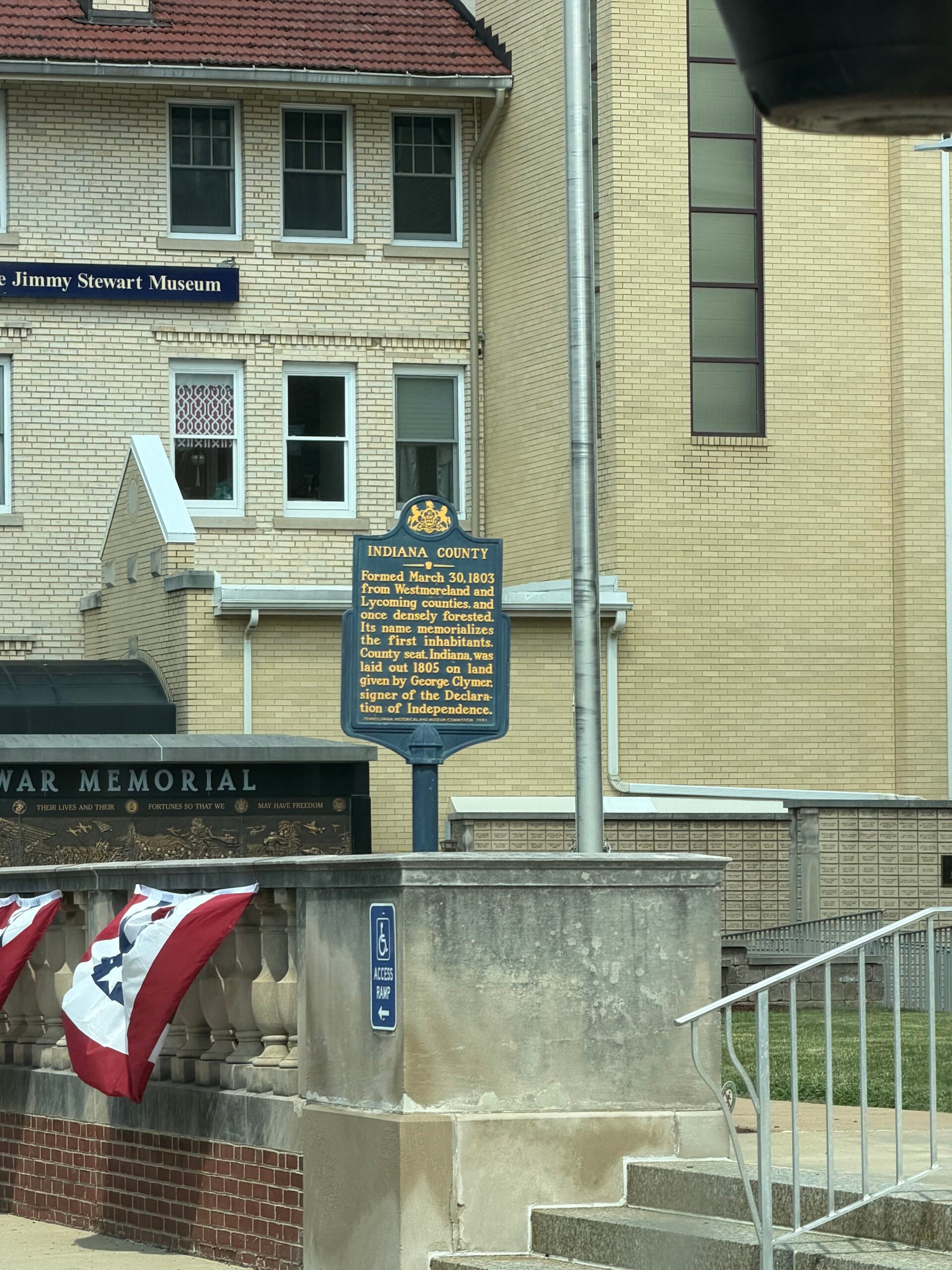
Stop #8 – Indiana County

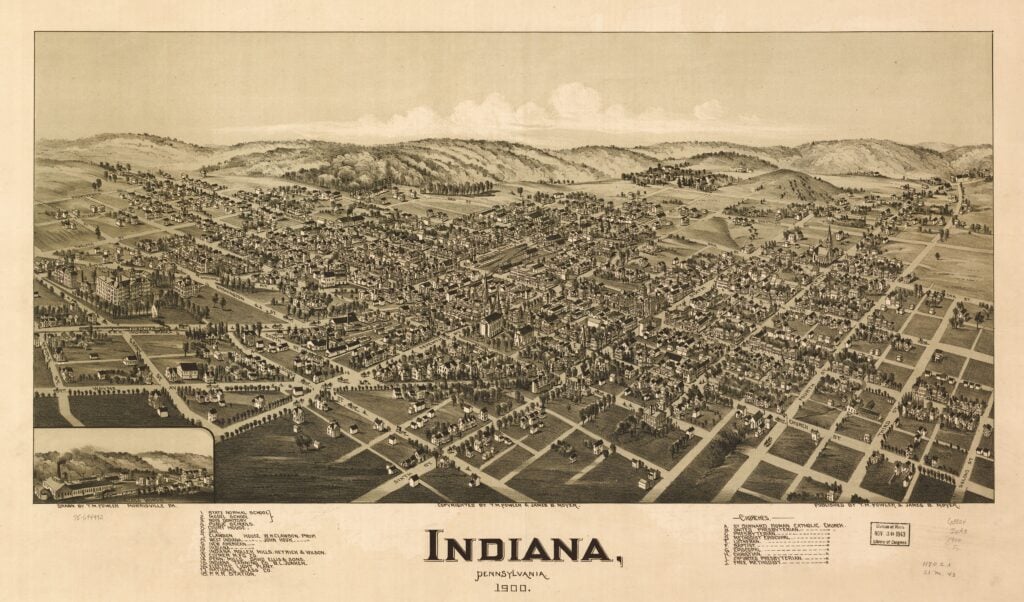
Formed March 30, 1803 from Westmoreland and Lycoming counties, and once densely forested. Its name memorializes the first inhabitants. County seat, Indiana, was laid out in 1805 on land given by George Clymer, signer of the Declaration of Independence.

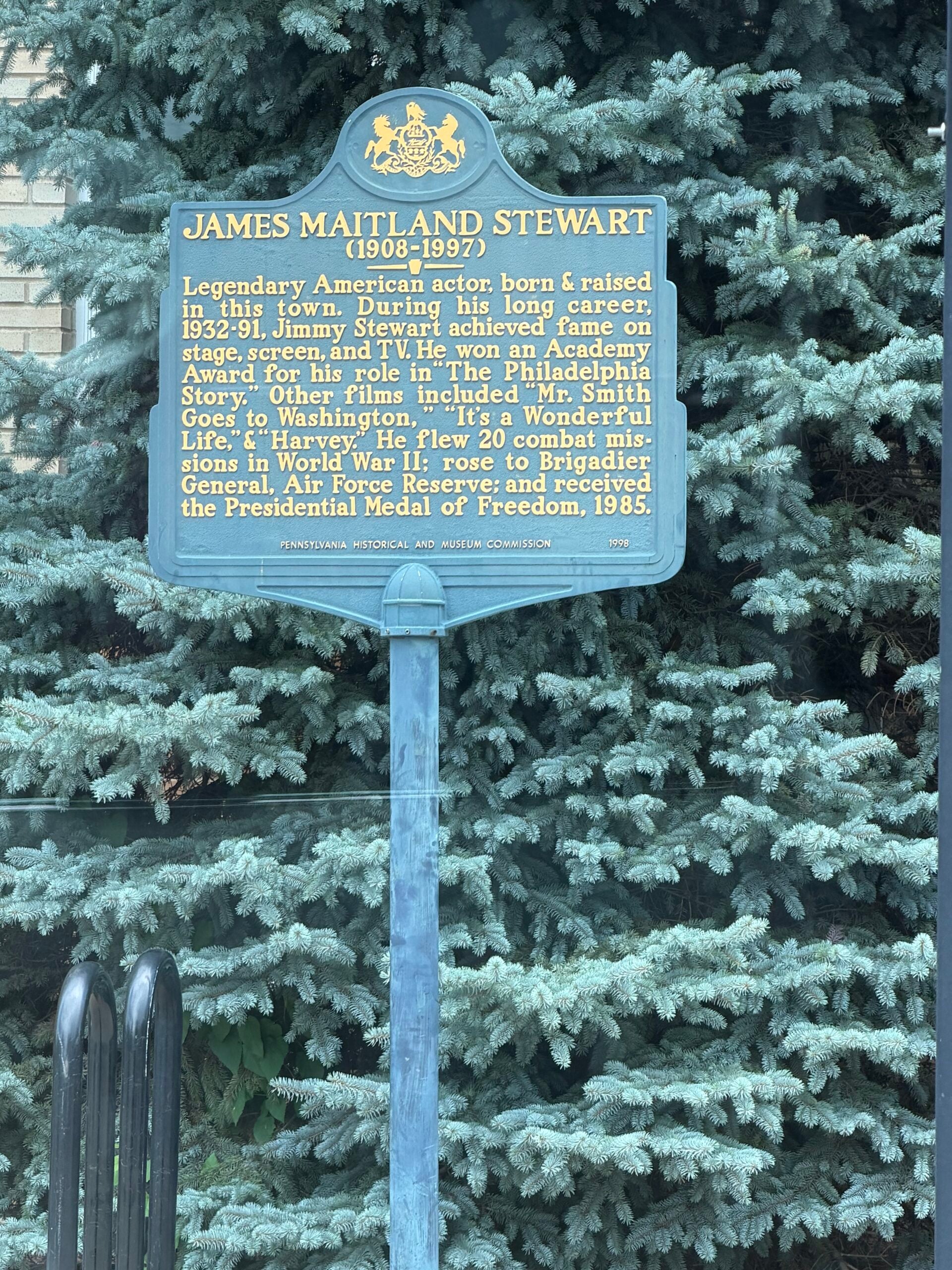
Stop #9 – James Maitland Stewart (1908-1997)

Legendary American actor, born & raised in this town. During his long career, 1932-91, Jimmy Stewart achieved fame on stage, screen, and TV. He won an Academy Award for his role in “The Philadelphia Story.” Other films included “Mr. Smith Goes to Washington,” “It’s a Wonderful Life,” & “Harvey.” He flew 20 combat missions in World War II; rose to Brigadier General, Air Force Reserve; and received the Presidential Medal of Freedom, 1985.

Discovering Lumber Hertitage Through History and Education

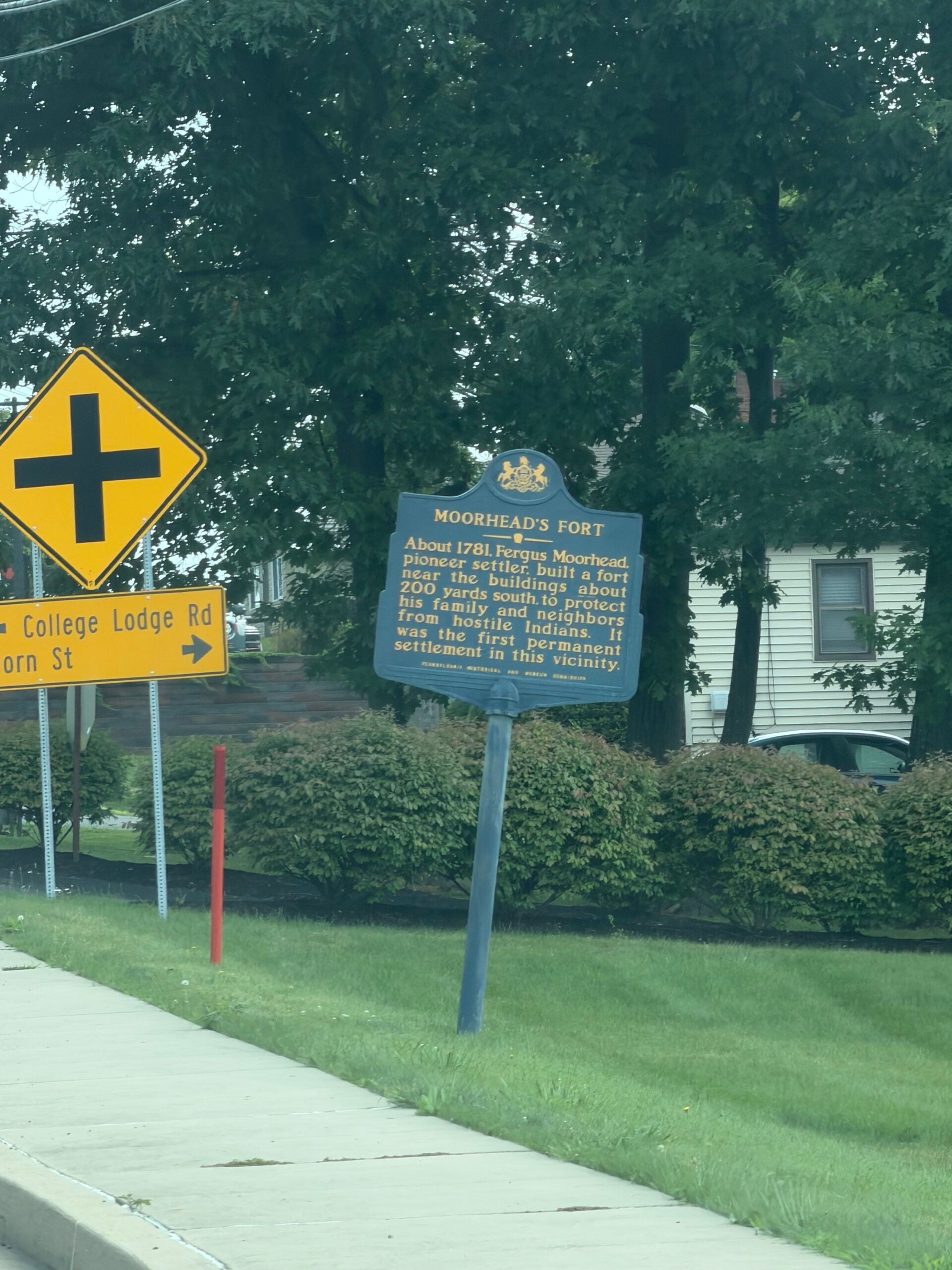
Stop #10 – Moorhead’s Fort

About 1781, Fergus Morehead, pioneer settler, built a fort near the buildings about 200 yards south, to protect his family and neighbors from hostile Indians. It was the first permanent settlement in this vicinity.

Discovering Lumber Hertitage Through History and Education

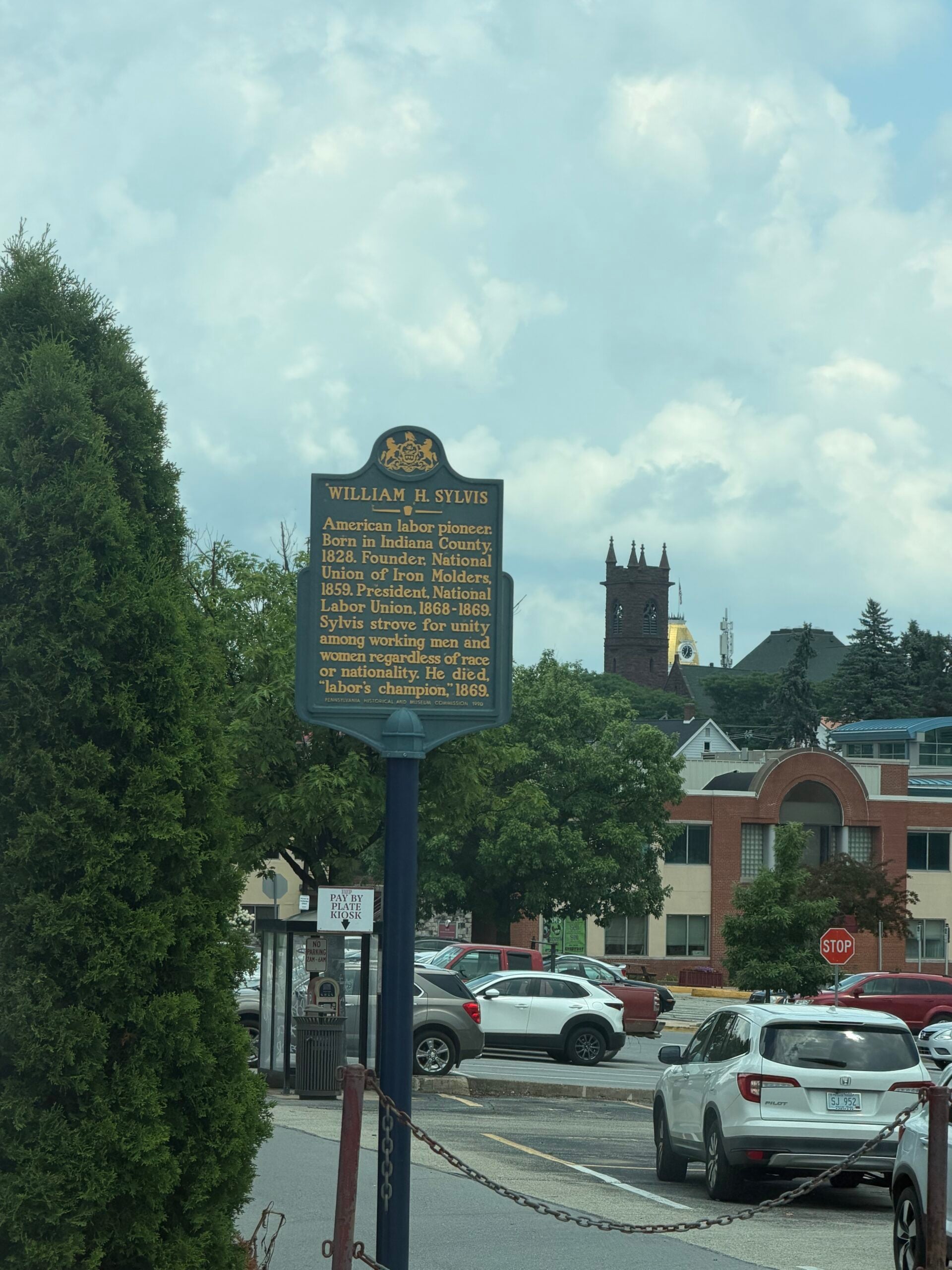
Stop #11 – William H. Sylvis

American labor pioneer. Born in Indiana County, 1828. Founder, National Union of Iron Molders, 1859. President, National Labor Union, 1868-1869. Sylvis strove for unity among working men and women regardless of race or nationality. He died, “labor’s champion,” 1869.

Discovering Lumber Hertitage Through History and Education

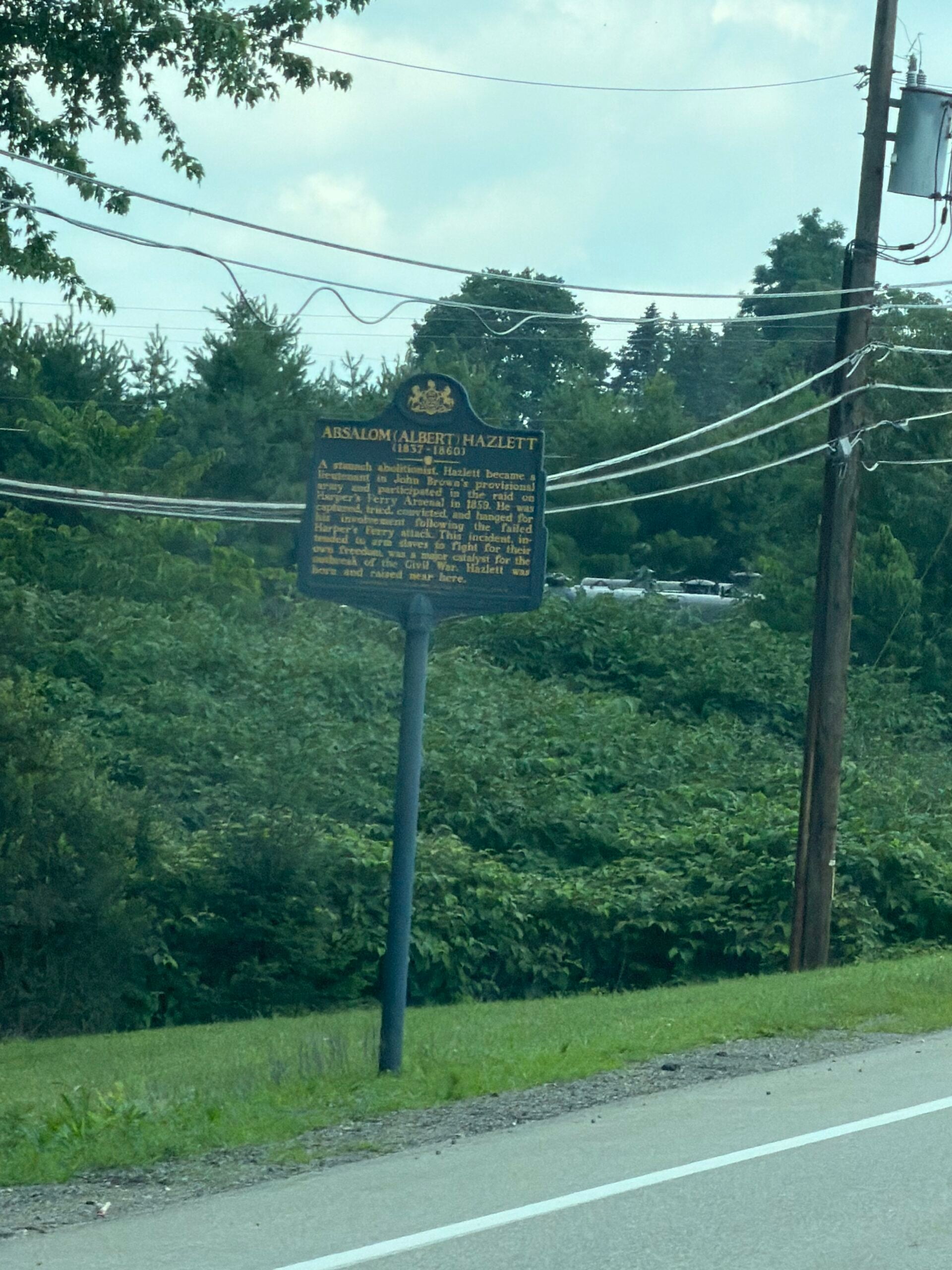
Stop #12 – Absalom (Albert) Hazlett (1837-1860)

A staunch abolitionist, Hazlett became a lieutenant in John Brown’s provisional army and participated in the raid on Harper’s Ferry Arsenal in 1859. He was captured, tried, convicted, and hanged for his involvement following the failed Harper’s Ferry attack. This incident, intended to arm slaves to fight for their own freedom, was a major catalyst for the outbreak of the Civil War. Hazlett was born and raised near here.

Discovering Lumber Hertitage Through History and Education

Stop #13 – John B. McCormick

Designed the first of the modern mixed-flow type of water turbine, thus making an important contribution to American industry. Began his experiments in 1868 on the water wheel of a sawmill at nearby Armagh. He died near Smicksburg in 1924.


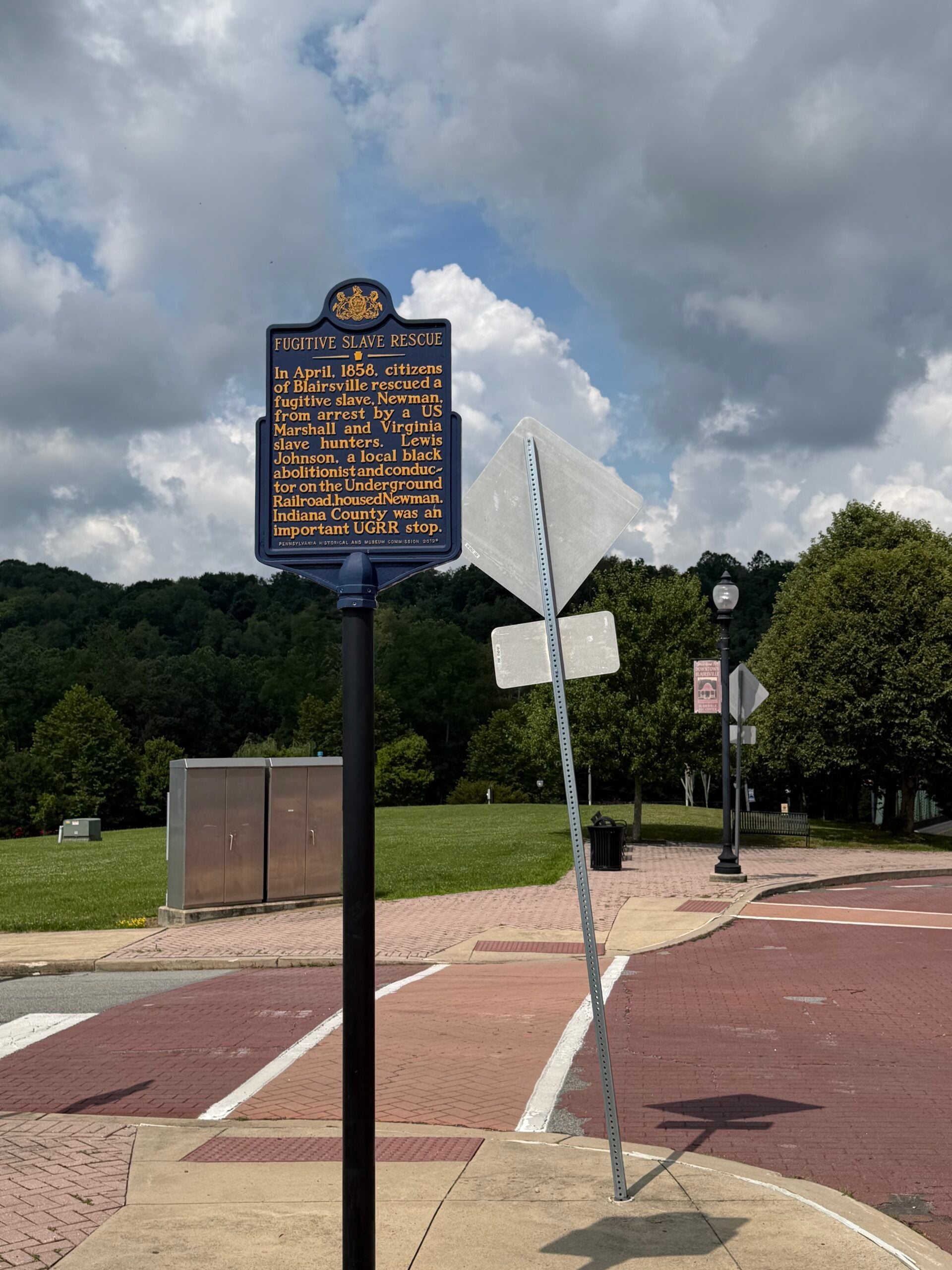
Stop #14 – Fugitive Slave Rescue

In April, 1858, citizens of Blairsville rescued a fugitive slave, Newman, from arrest by a U.S. Marshall and Virginia slave hunters. Lewis Johnson, a local black abolitionist and conductor on the Underground Railroad, housed Newman. Indiana County was an important UGRR stop.


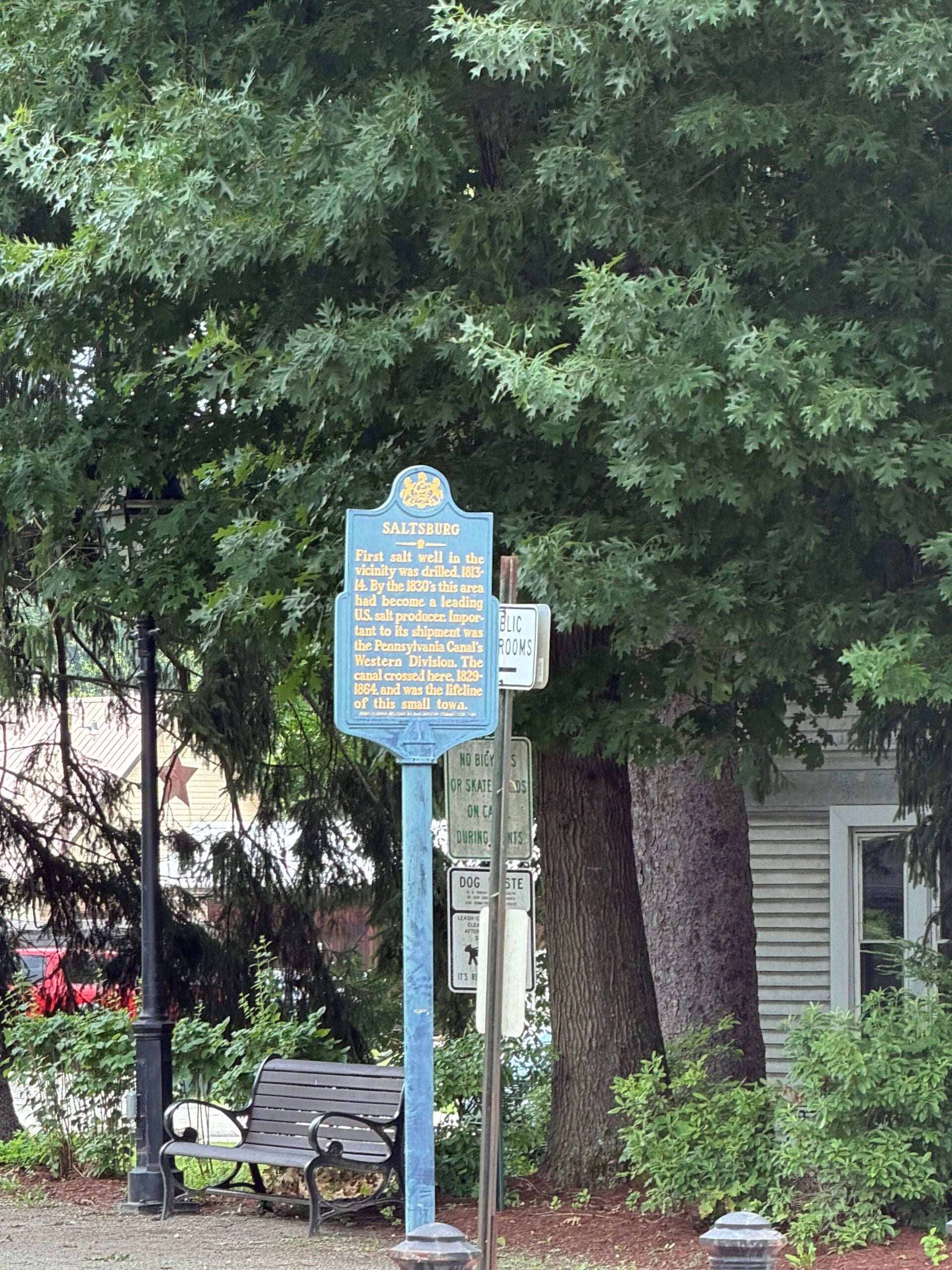
Stop #15 – Saltsburg

First salt well in the vicinity was drilled, 1813-14. By the 1830’s this area had become a leading U.S. salt producer. Important to its shipment was the Pennsylvania Canal’s Western Division. The canal crossed here, 1829-1864, and was the lifeline of this small town.


Stop #16 – Purchase of 1768

The northern corner of the Indian land purchase based on the Fort Stanwix Treaty was a huge cherry tree at Canoe Place, now Cherry Tree village. This point is now the junction of the counties of Cambria, Clearfield, and Indiana.

Follow Us on Instagram