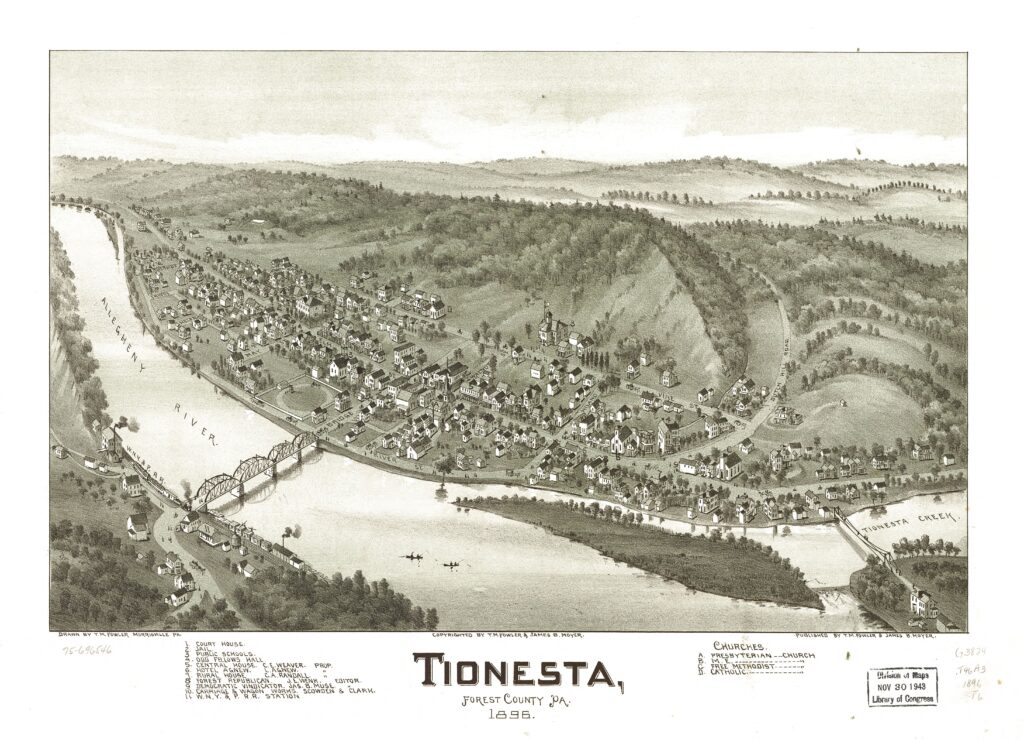
Visit / PA Historical Marker Trail

Forest County

Stop #1 – Pigeon

The name of this town recalls the now-extinct passenger pigeon, which in vast flights nested in the beech groves of this area. The nestlings were taken as food each spring by the Seneca Indians.

Discovering Lumber Hertitage Through History and Education

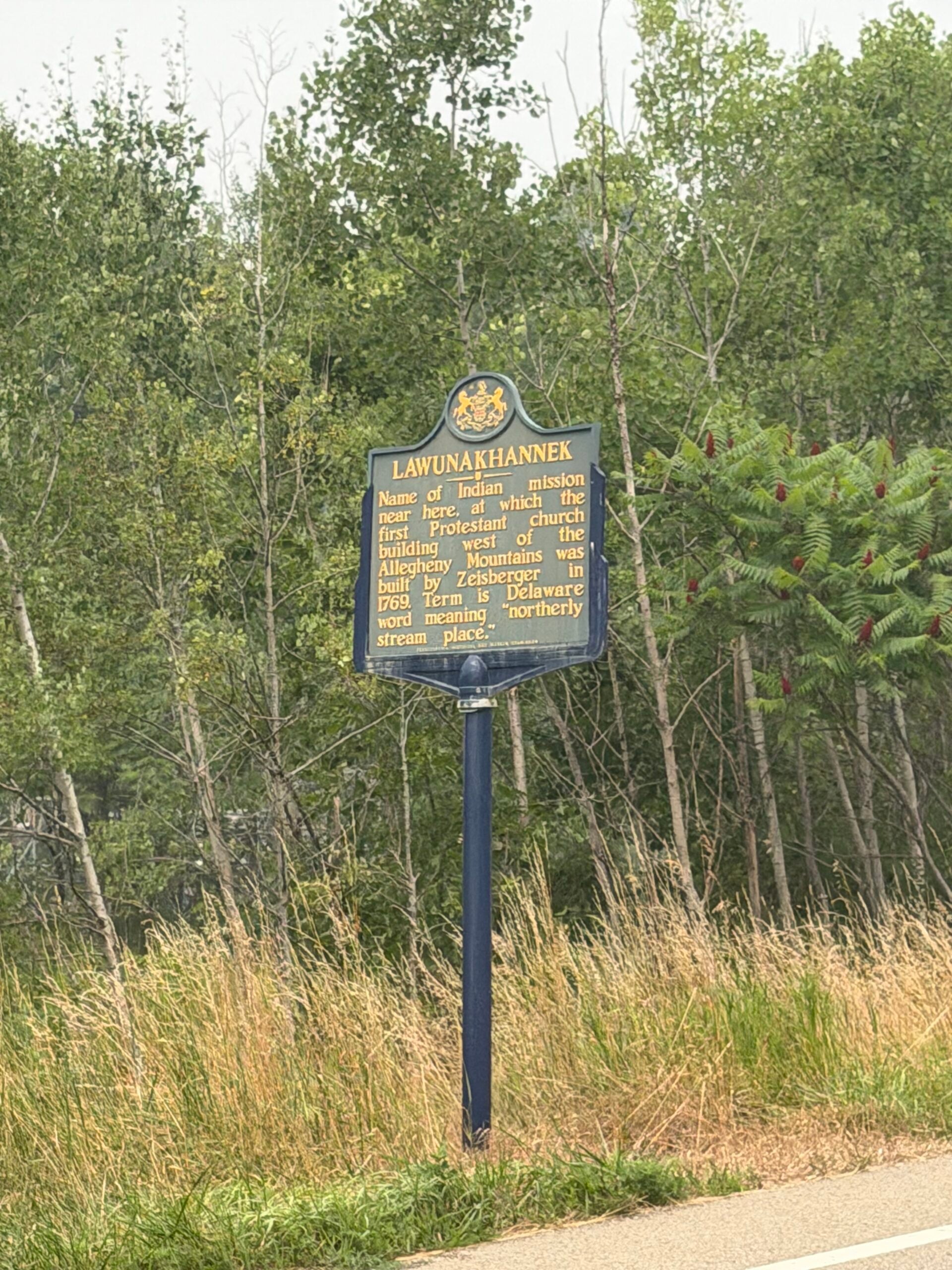
Stop #2 – Lawunakhannek

Name of Indian mission near here, at which the first Protestant church building west of the Allegheny Mountains was built by Zeisberger in 1769. Term is Delaware word meaning “northerly stream place.”

Discovering Lumber Hertitage Through History and Education

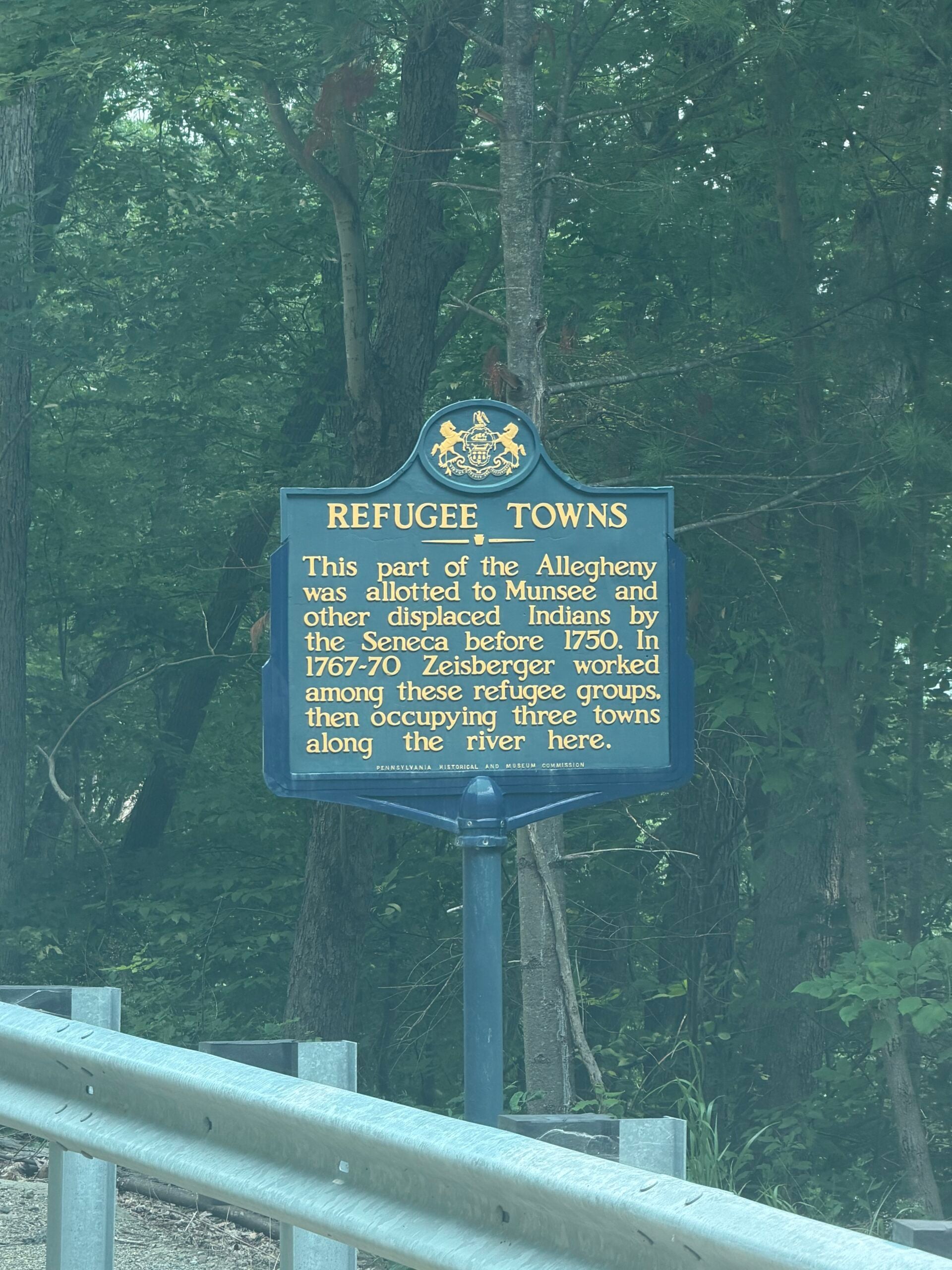
Stop #3 – Refugee Towns

This part of the Allegheny was allotted to Munsee and other displaced Indians by the Seneca before 1750. In 1767-70 Zeisberger worked among these refugee groups, then occupying three towns along the river here.

Discovering Lumber Hertitage Through History and Education

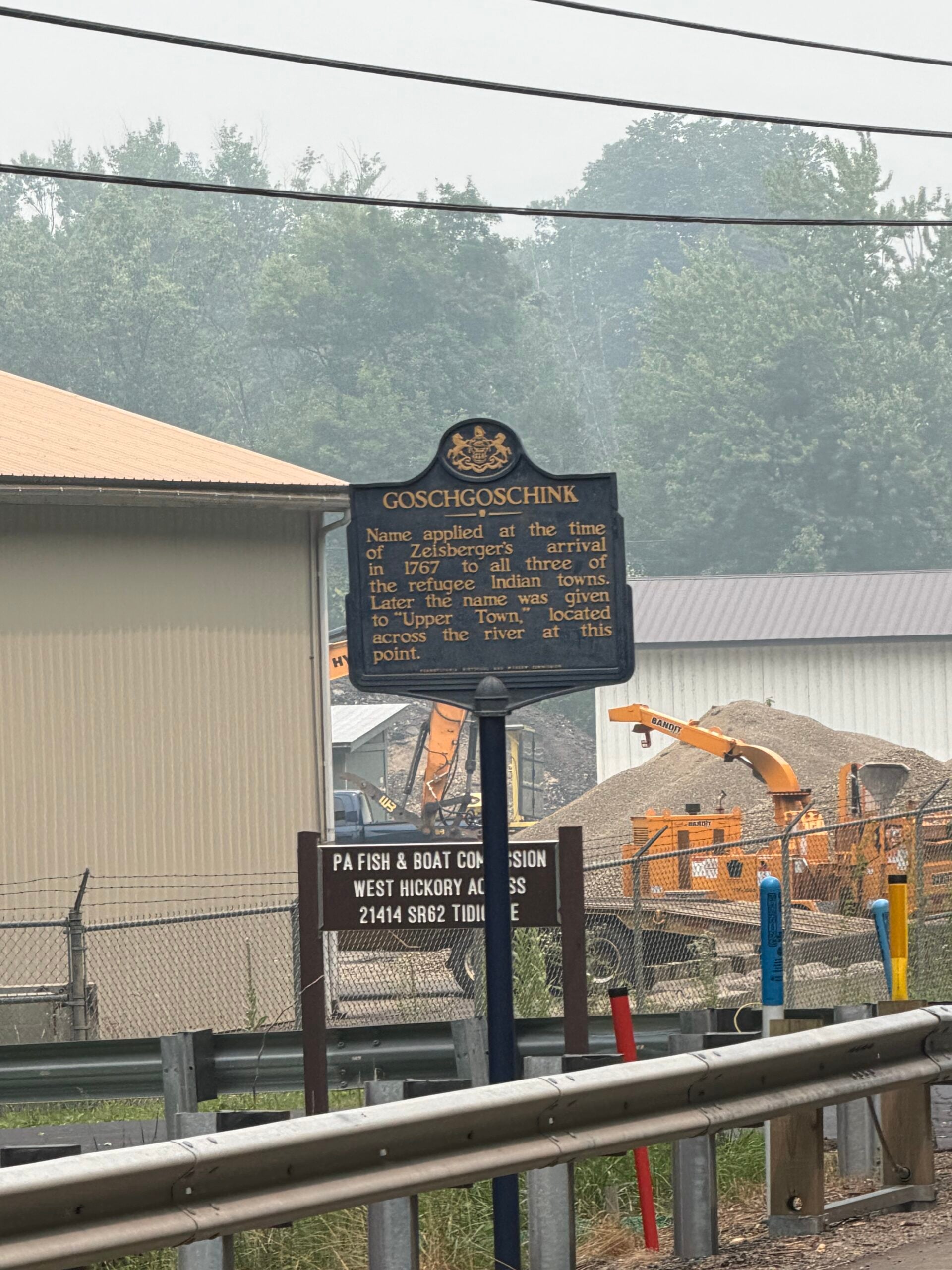
Stop #4 – Goschgoschink

Name applied at the time of Zeisberger’s arrival in 1767 to all three of the refugee Indian towns. Later the name was given to “Upper Town,” located across the river at this point.

Discovering Lumber Hertitage Through History and Education

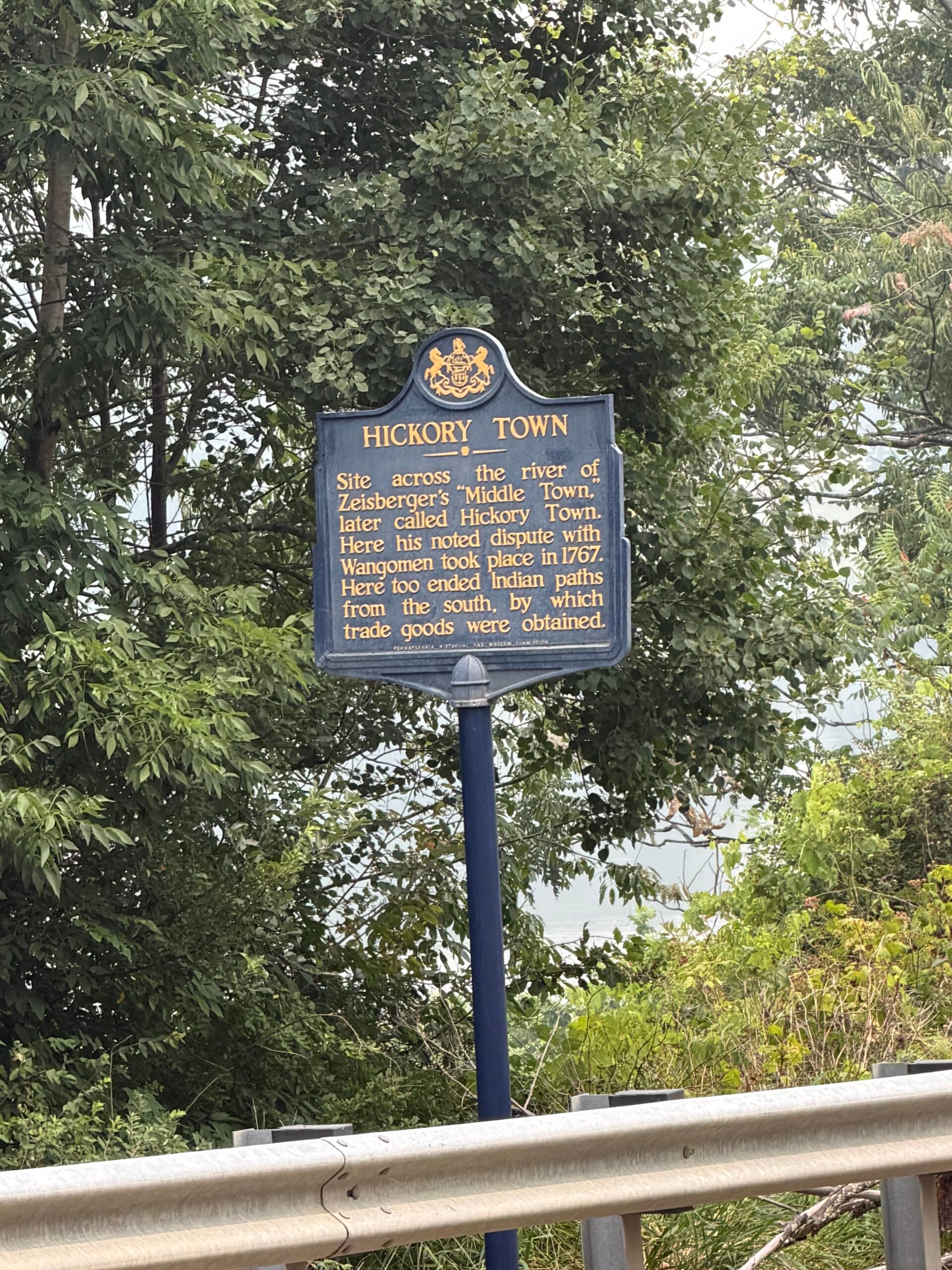
Stop #5 – Hickory Town

Site across the river of Zeisberger’s “Middle Town,” later called Hickory Town. Here his noted dispute with Wangomen took place in 1767. Here too ended Indian paths from the south, by which trade goods were obtained.


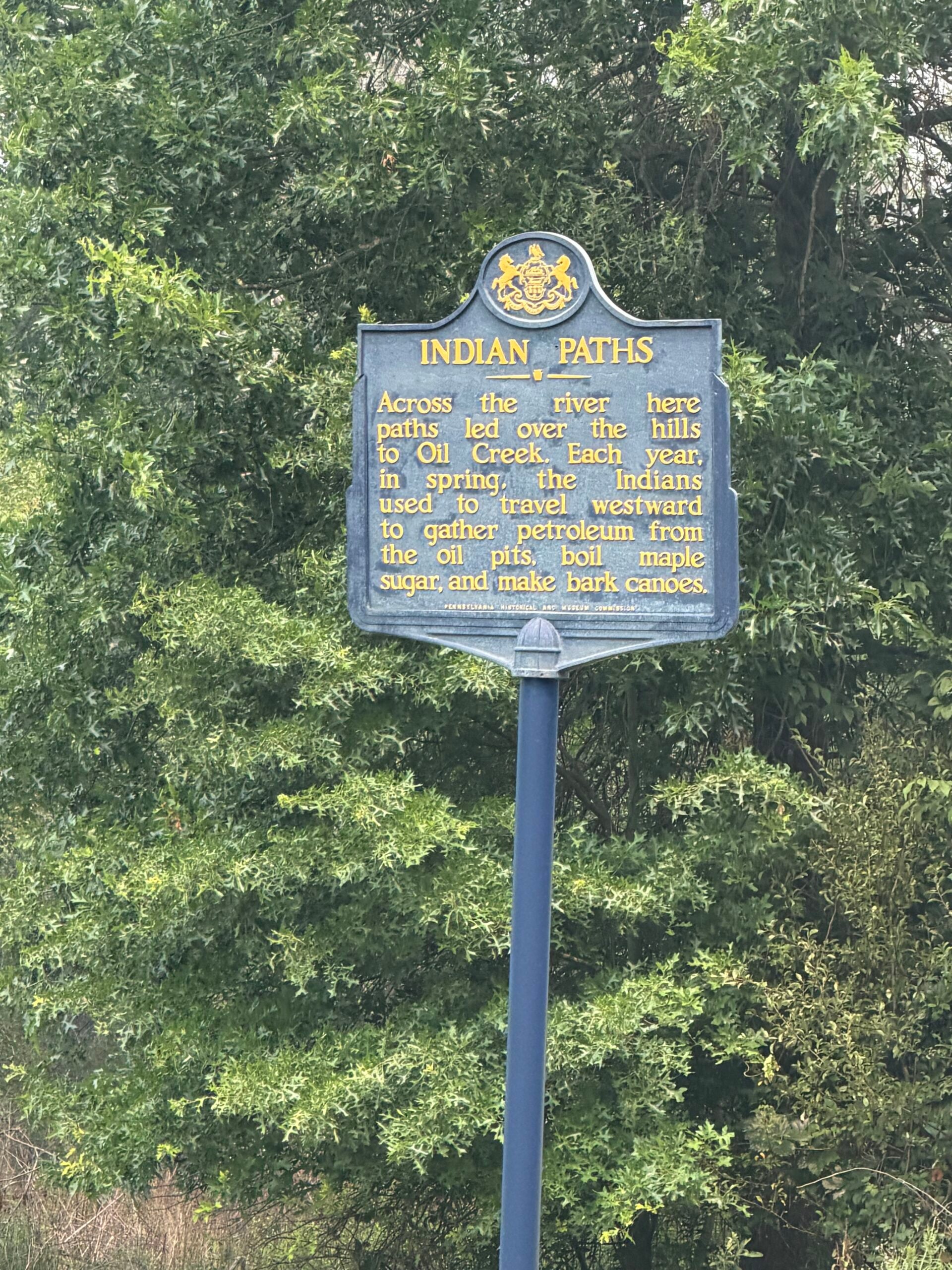
Stop #6 – Indian Paths

Across the river here paths led over the hills to Oil Creek. Each year, in spring, the Indians used to travel westward to gather petroleum from the oil pits, boil maple sugar and make bark canoes.

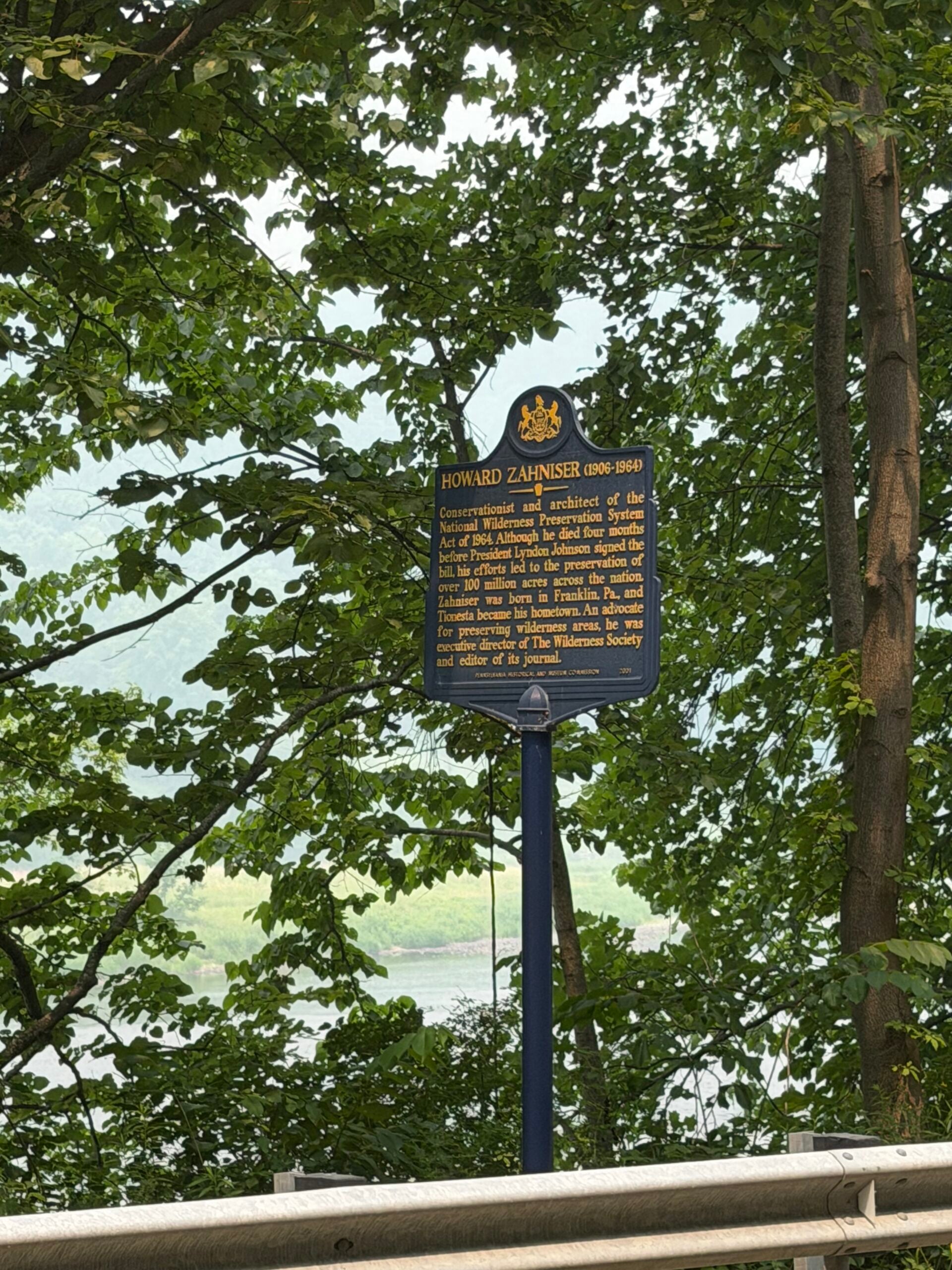
Stop #7 – Howard Zahniser

Conservationist and architect of the National Wilderness Preservation System Act of 1964. Although he died four months before President Lyndon Johnson signed the bill his efforts led to the preservation of over 100 million acres across the nation. Zahniser was born in Franklin, Pa., and Tionesta became his hometown. An advocate for preserving wilderness area, he was executive director of The Wilderness Society & editor of its journal.

Discovering Lumber Hertitage Through History and Education

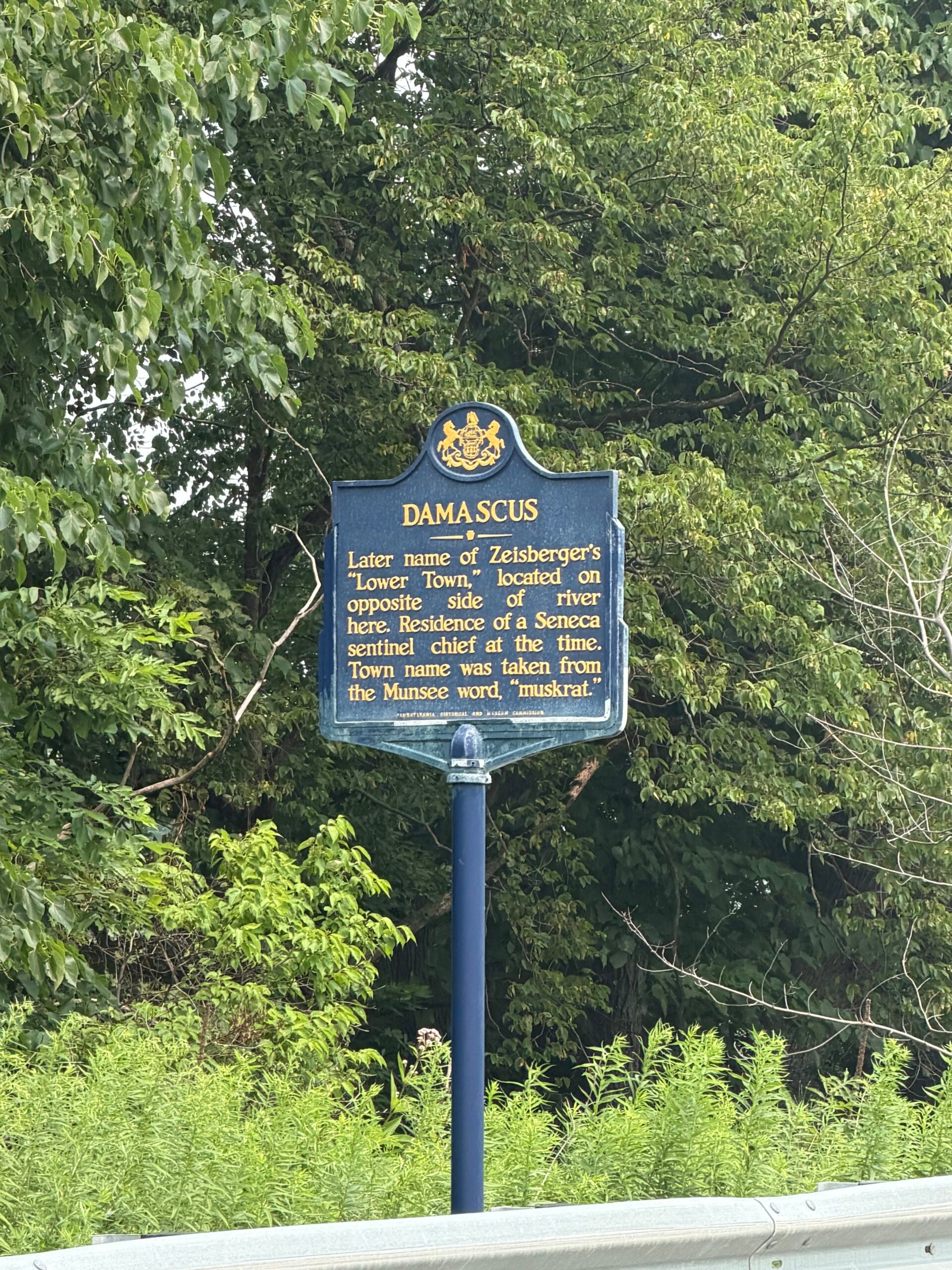
Stop #8 – Damascus

Later name of Zeisberger’s “Lower Town,” located on opposite side of the river here. Residence of a Seneca sentinel chief at the time. Town name was taken from the Munsee word, “muskrat.”

Discovering Lumber Hertitage Through History and Education

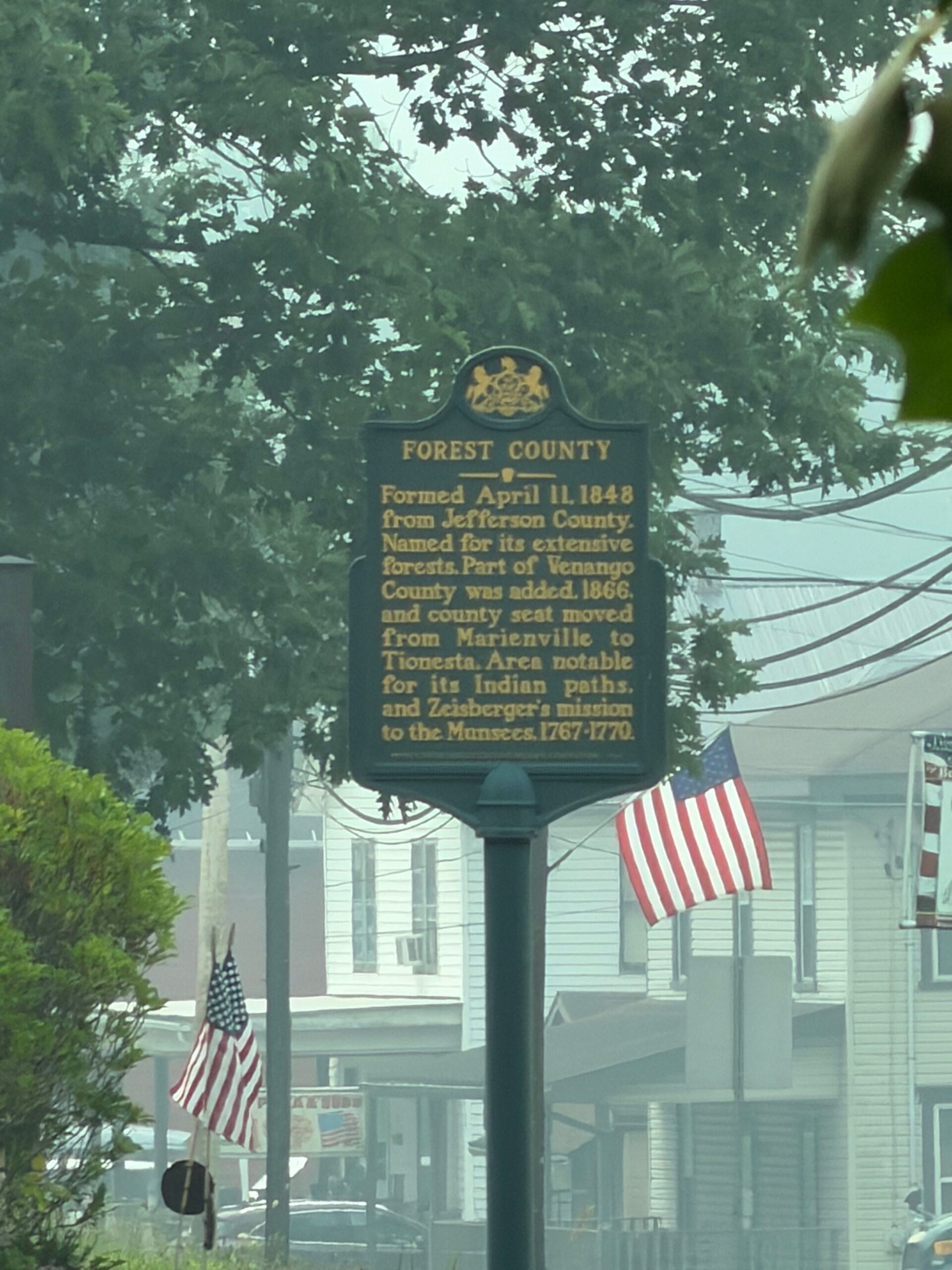
Stop #9 – Forest County

Formed April 11, 1848 from Jefferson County. Named for its extensive forests. Part of Venango County was added, 1866, and county seat moved from Marienville to Tionesta. Area notable for its Indian paths, and Zeisberger’s mission to the Munsees, 1767-1770.

Discovering Lumber Hertitage Through History and Education

Stop #10 – Holeman Ferry

Established by Eli Holeman about 1804. Crossing the Allegheny River here, it was an important link on the old State Road, or “Bald Eagle Road,” leading from Milesburg (Centre County) to Waterford (Erie County). Most of the early settlers crossed at this point. In the War of 1812, troops and supplies were transported on the Ferry.

Discovering Lumber Hertitage Through History and Education

Follow Us on Instagram