Visit / PA Historical Marker Trail

Centre County

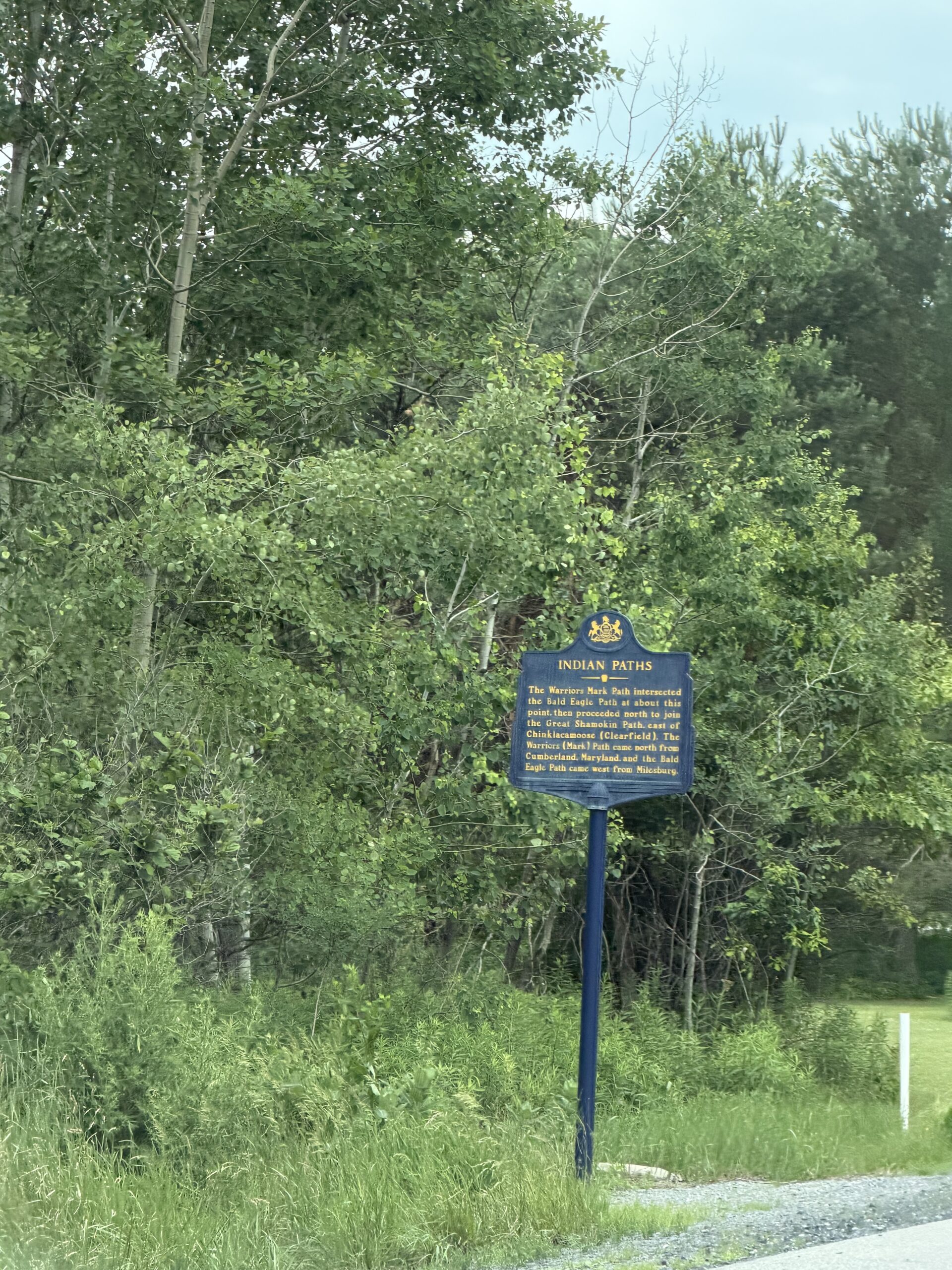
Stop #1 – Indian Paths

The Warriors Mark Path intersected the Bald Eagle Path at about this point, then proceeded north to join the Great Shamokin Path, east of Chinklacamoose (Clearfield). The Warriors (Mark) Path came north from Cumberland, Maryland, and the Bald Eagle Path came west from Milesburg.

Discovering Lumber Hertitage Through History and Education

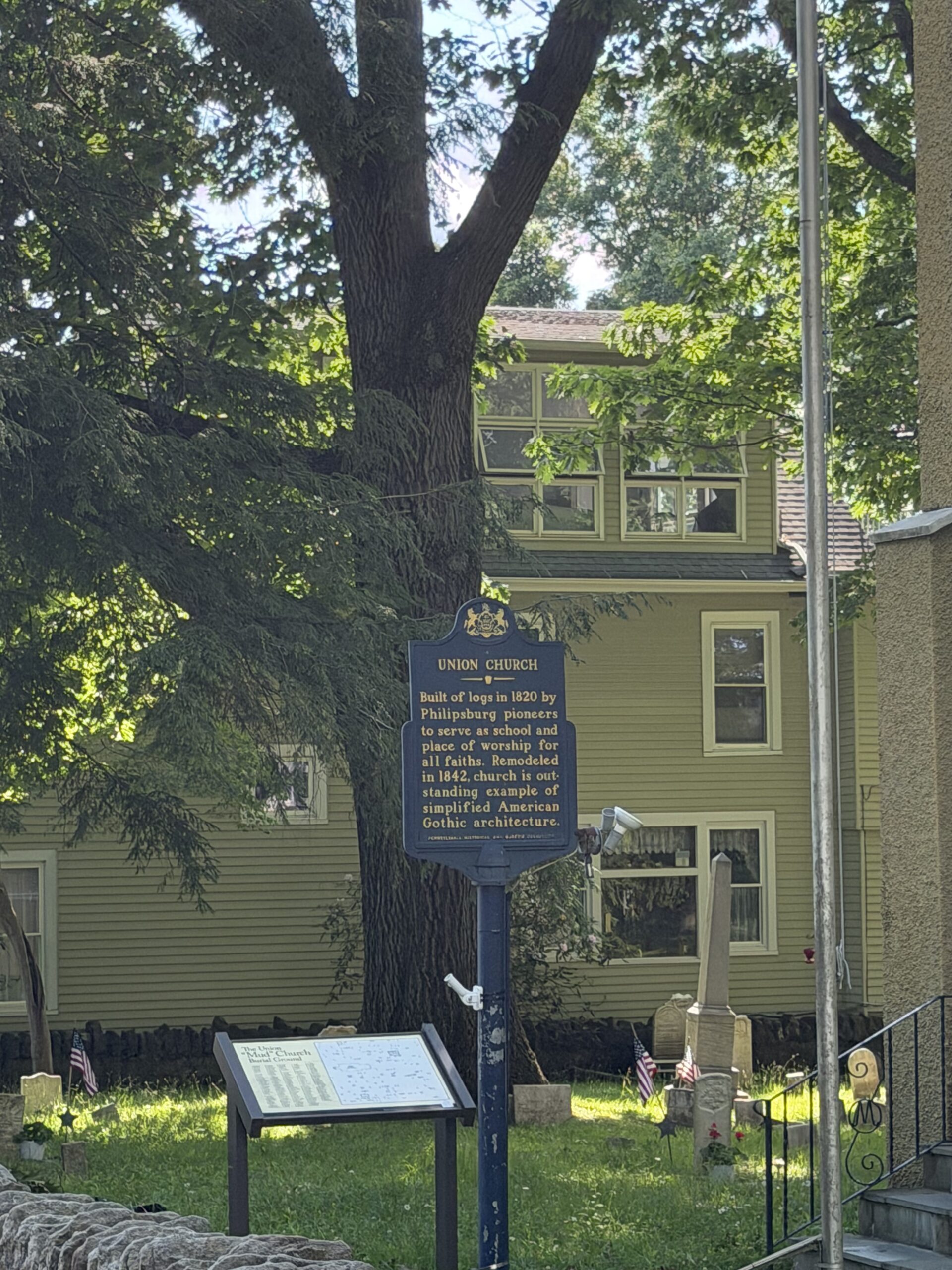
Stop #2 – Union Church

Built of logs in 1820 by Philipsburg pioneers to serve as school and place of worship for all faiths. Remodeled in 1842, church is outstanding example of simplified American Gothic architecture.

Discovering Lumber Hertitage Through History and Education

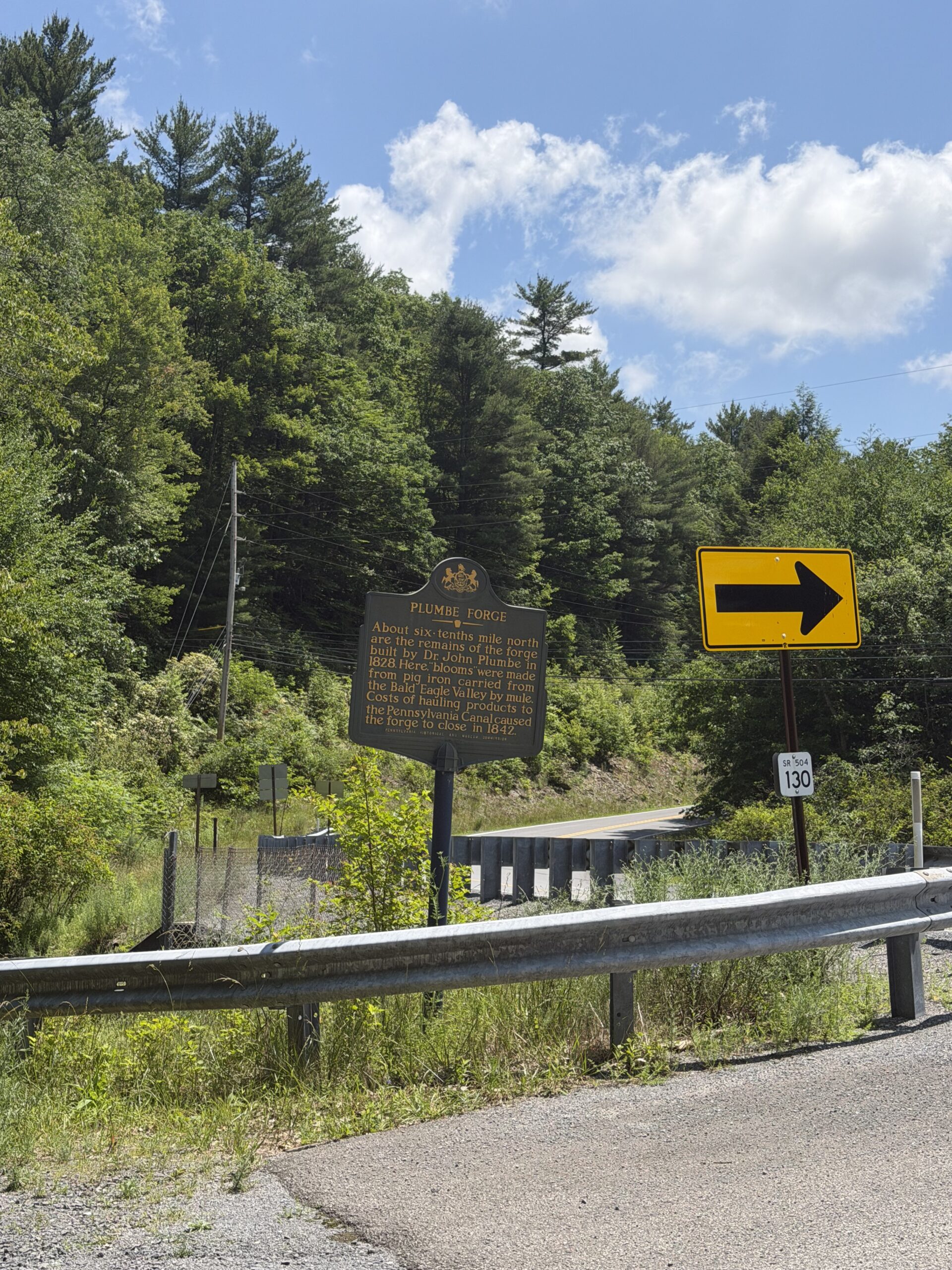
Stop #3 – Plumbe Forge

About six-tenths mile north are the remains of the forge built by Dr. John Plumbe in 1828. Here, “blooms” were made from pig iron carried from the Bald Eagle Valley by mule. Costs of hauling products to the Pennsylvania Canal caused the forge to close in 1842.

Discovering Lumber Hertitage Through History and Education

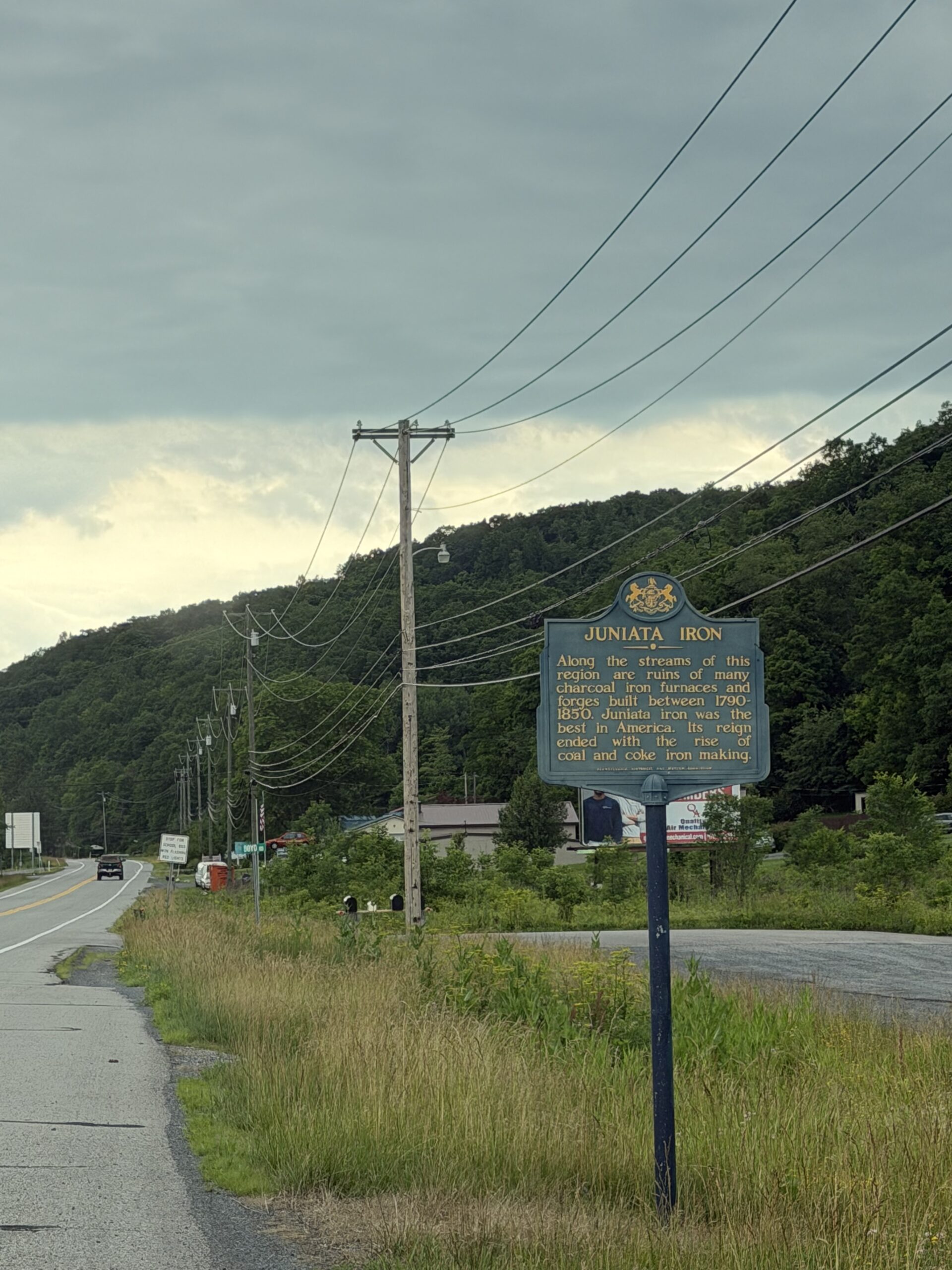
Stop #4 – Juniata Iron

Along the streams of this region are ruins of many charcoal iron furnaces and forges built between 1790-1850. Juniata iron was the best in America. Its reign ended with the rise of coal and coke iron making.


Discovering Lumber Hertitage Through History and Education

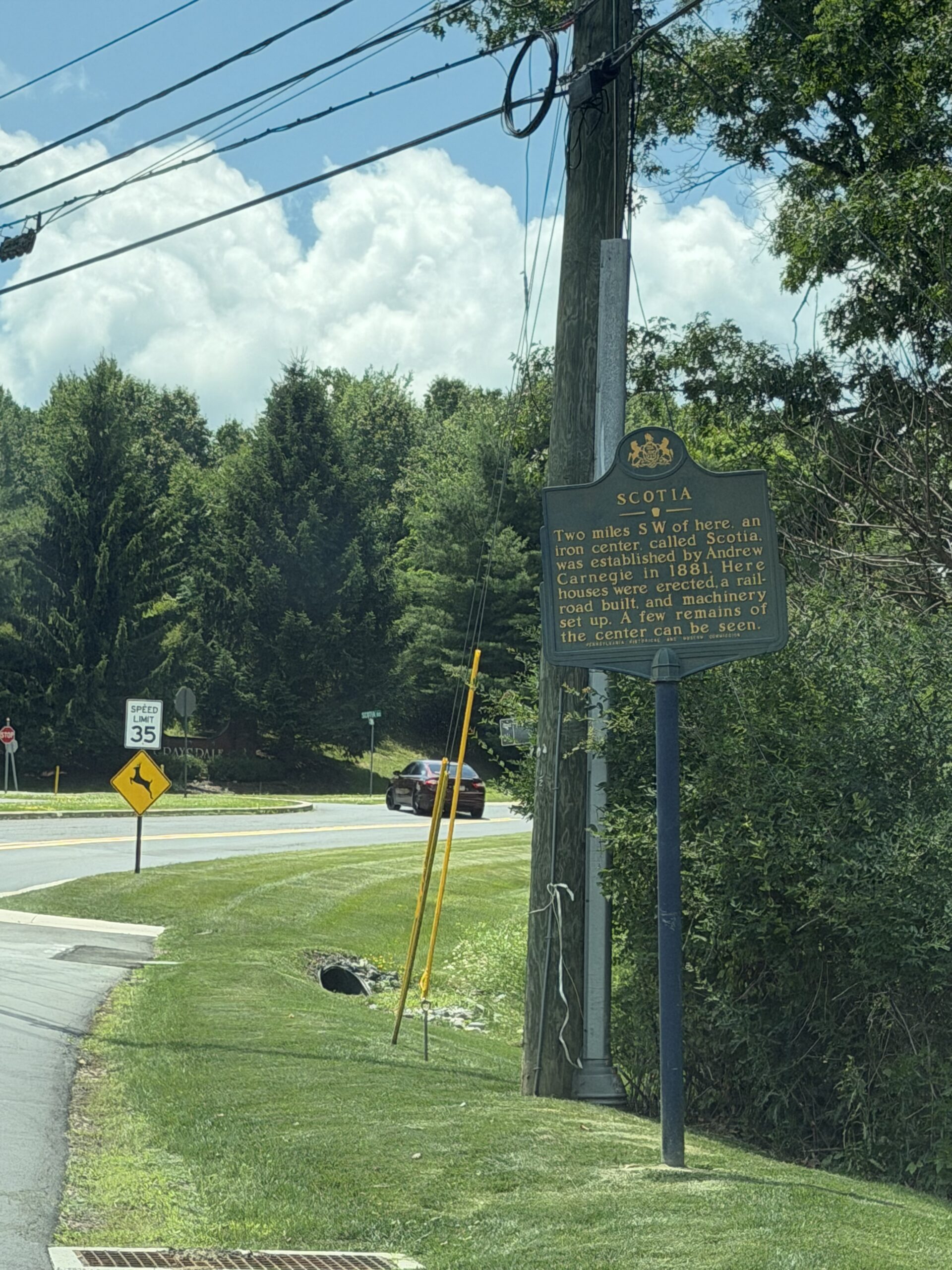
Stop #5 – Scotia

Two miles SW of here, an iron center, called Scotia, was established by Andrew Carnegie in 1881. Here houses were erected, a railroad built, and machinery set up. A few remains of the center can be seen.


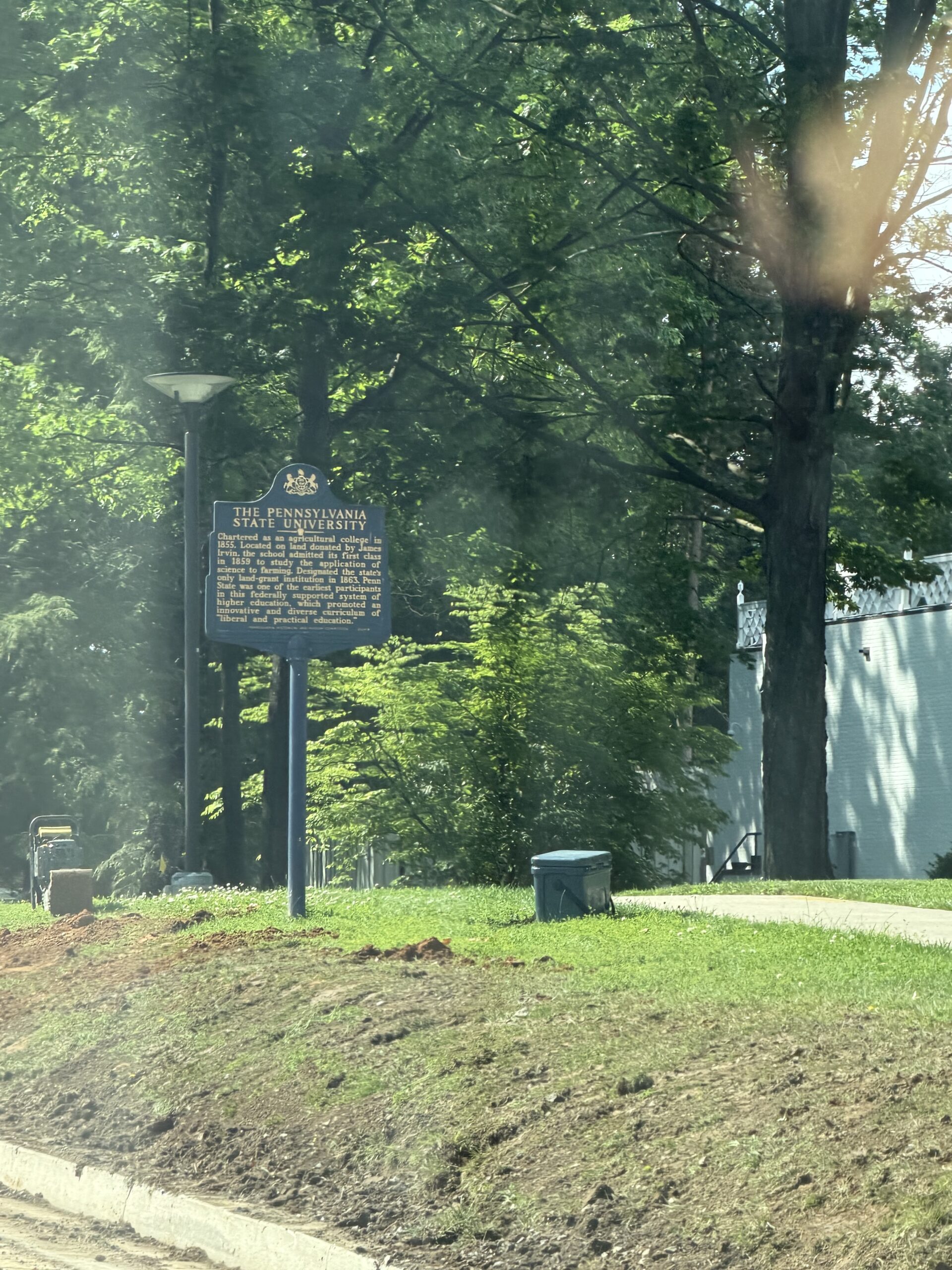
Stop #6 – The Pennsylvania State University

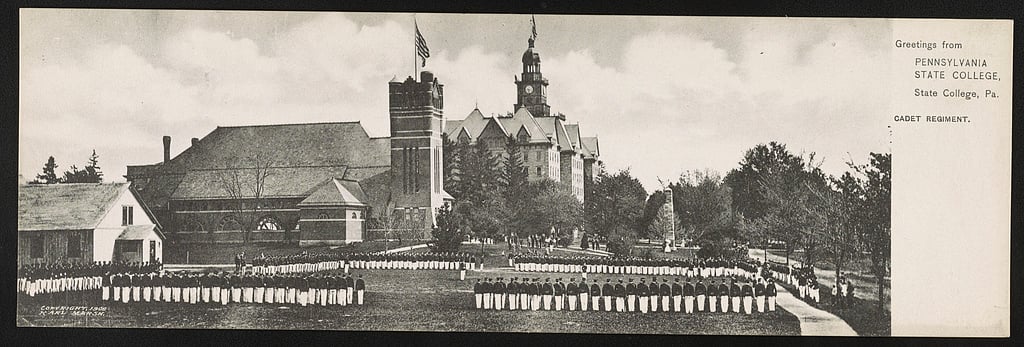
Chartered as an agricultural college in 1855. Located on land donated by James Irvin, the school admitted its first class in 1859 to study the application of science to farming. Designated the state’s only land-grant institution in 1863. Penn State was one of the earliest participants in this federally supported system of higher education, which promoted an innovative and diverse curriculum of “liberal and practical education.”


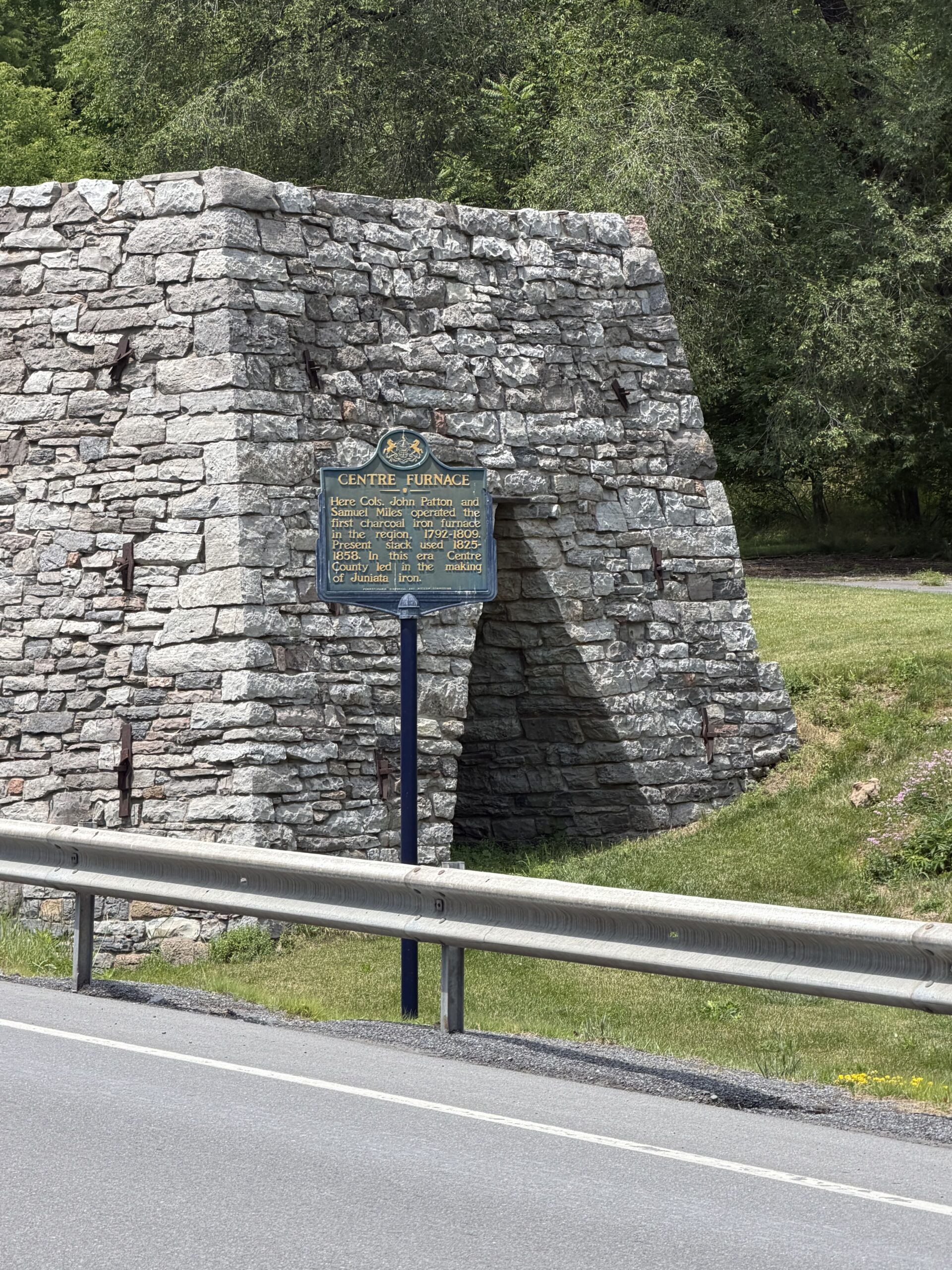
Stop #7 – Centre Furnace

Here Cols. John Patton and Samuel Miles operated the first charcoal iron furnace in the region, 1792-1809. Present stack used 1825-1858. In this era Centre County led in the making of Juniata iron.


Stop #8 – Centre Furnace PLAQUE

This stack is part of the plant of the Centre Iron Company which was erected in 1792 by Col. John Patton and Colonel Samuel Miles, officers in the War of the American Revolution. The product of this furnace was the first iron melted in Centre County and was carried on mule-back to Pittsburgh. The furnace was operated from 1792 to 1809 and from 1825 to 1858.

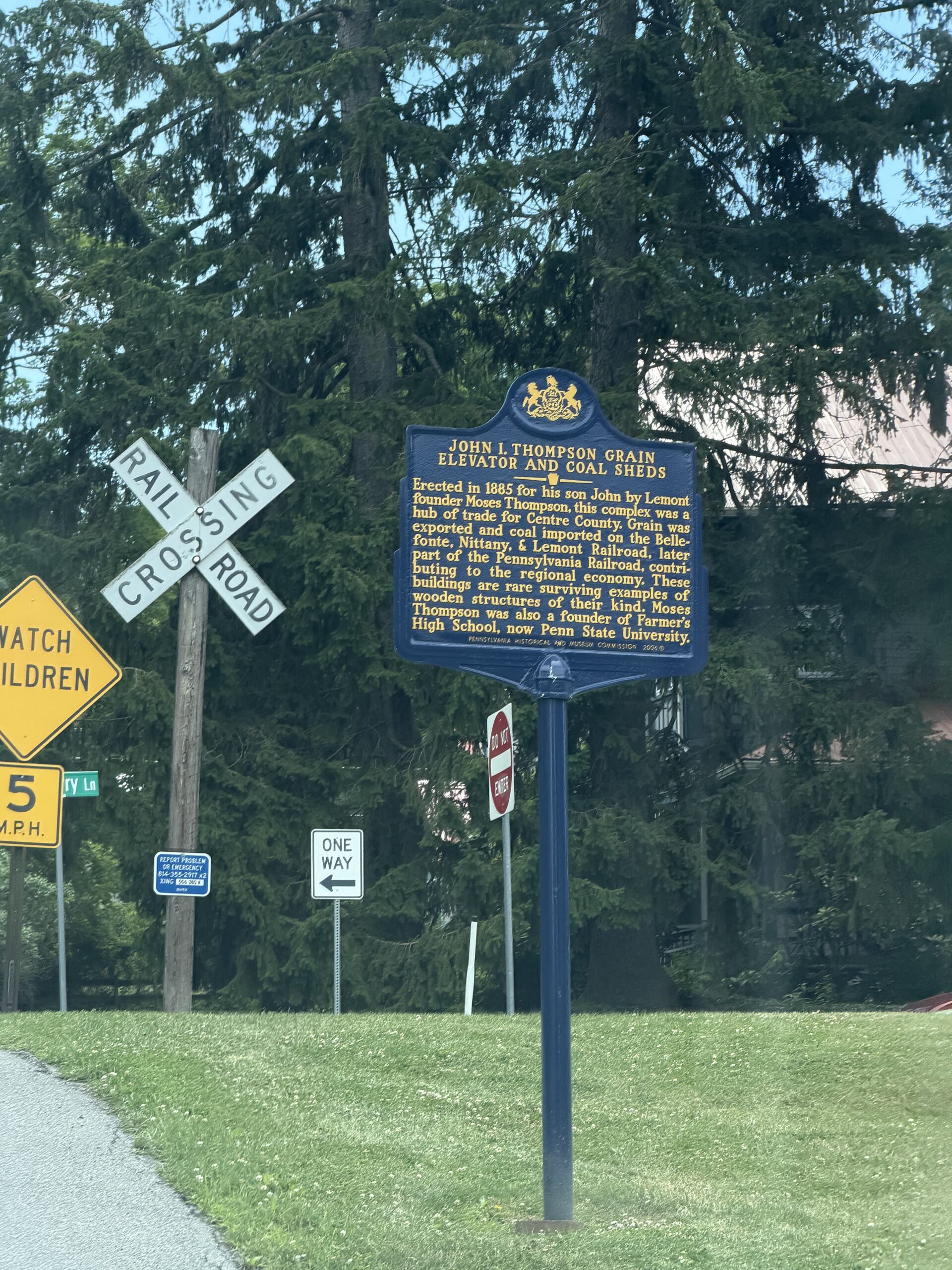
Stop #9 – John I. Thompson Grain Elevator and Coal Sheds

Erected in 1885 for his son John by Lemont founder Moses Thompson, this complex was a hub of trade for Centre County. Grain was exported and coal imported on the Bellefonte, Nittany, & Lemont Railroad, later part of the Pennsylvania Railroad, contributing to the regional economy. These buildings are rare surviving examples of wooden structures of their kind. Moses Thompson was also a founder of Farmer’s High School, now Penn State University.

Discovering Lumber Hertitage Through History and Education

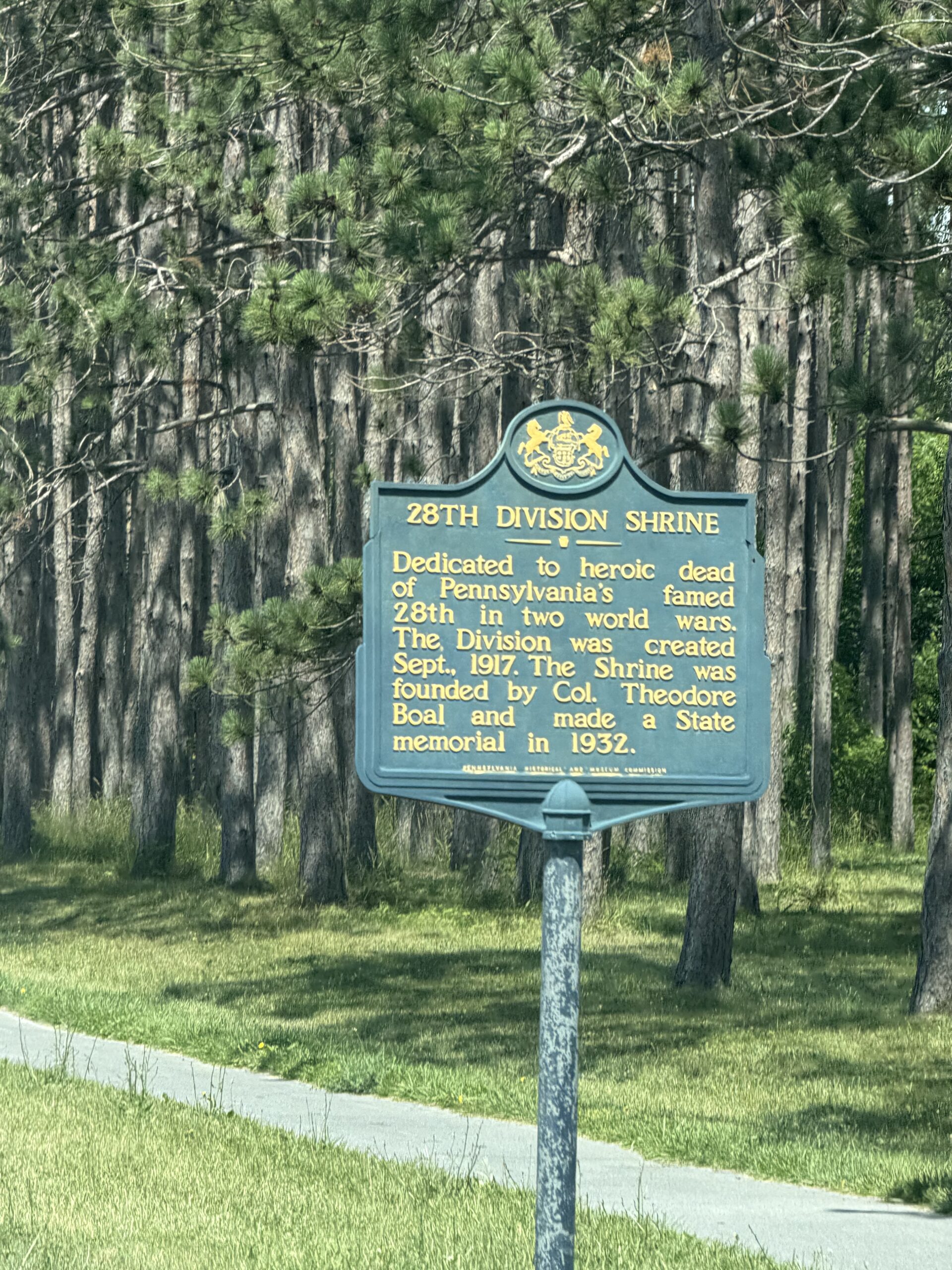
Stop #10 – 28th Division Shrine

Dedicated to heroic dead of Pennsylvania’s famed 28th in two world wars. The Division was created Sept., 1917. The Shrine was founded by Col. Theodore Boal and made a State memorial in 1932.

Discovering Lumber Hertitage Through History and Education

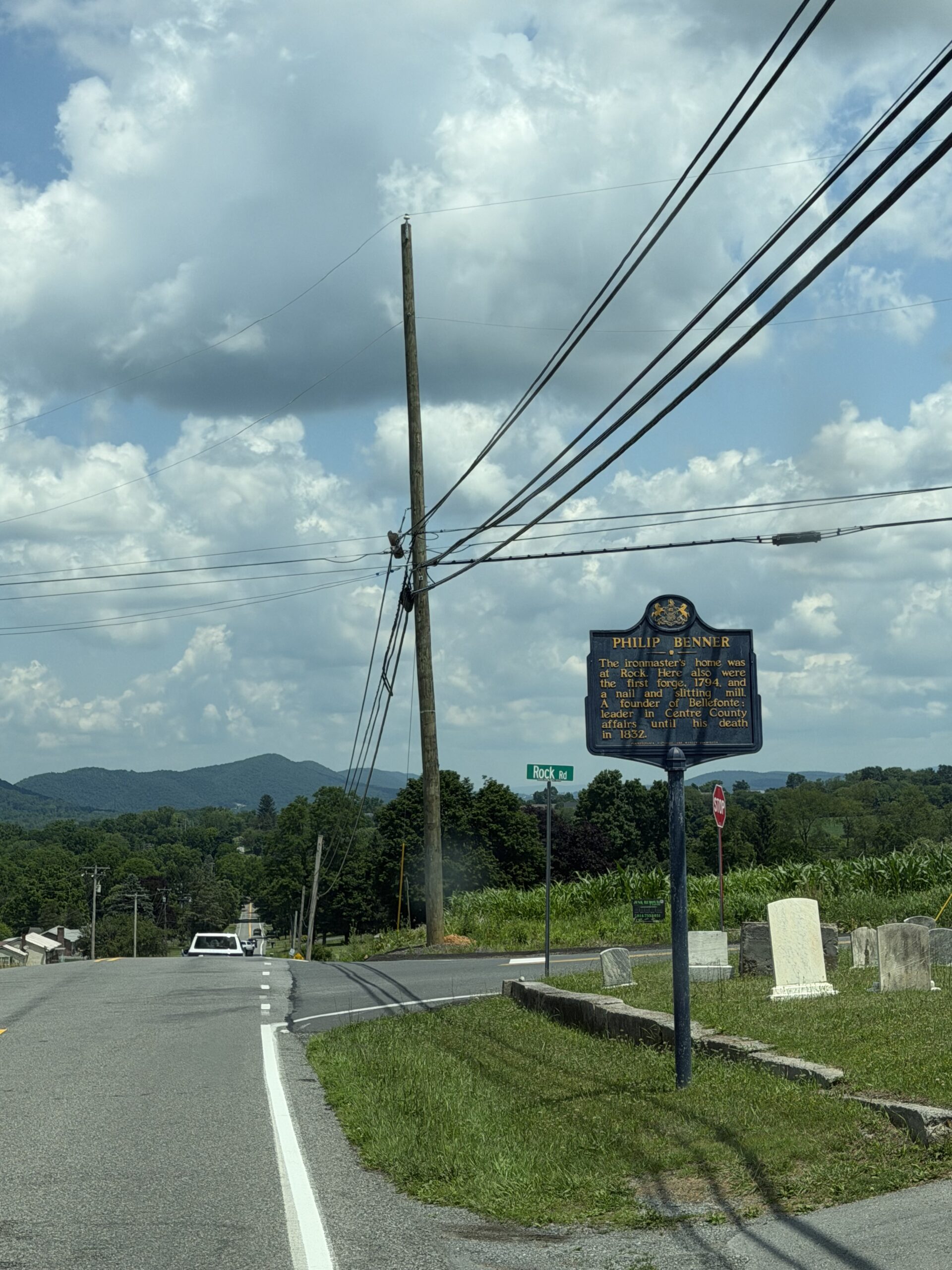
Stop #11 – Philip Benner

The ironmaster’s home was at Rock. Here also were the first forge, 1794, and a nail and slitting mill. A founder of Bellefonte; leader in Centre County affairs until his death in 1832.

Discovering Lumber Hertitage Through History and Education

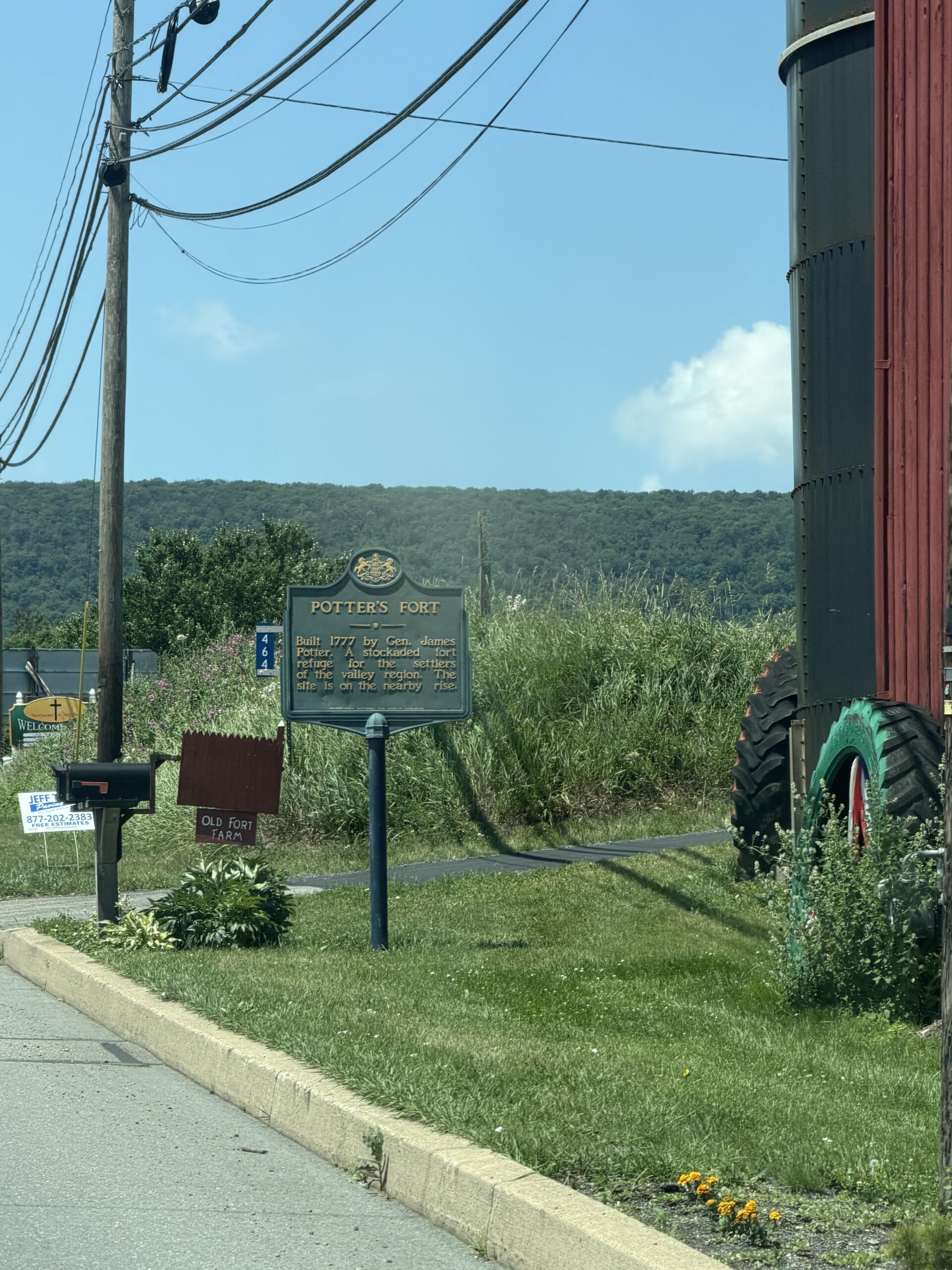
Stop #12 – Potter’s Fort

Built 1777 by Gen. James Potter. A stockaded fort refuge for the settlers of the valley region. The site is on the nearby rise.

Discovering Lumber Hertitage Through History and Education

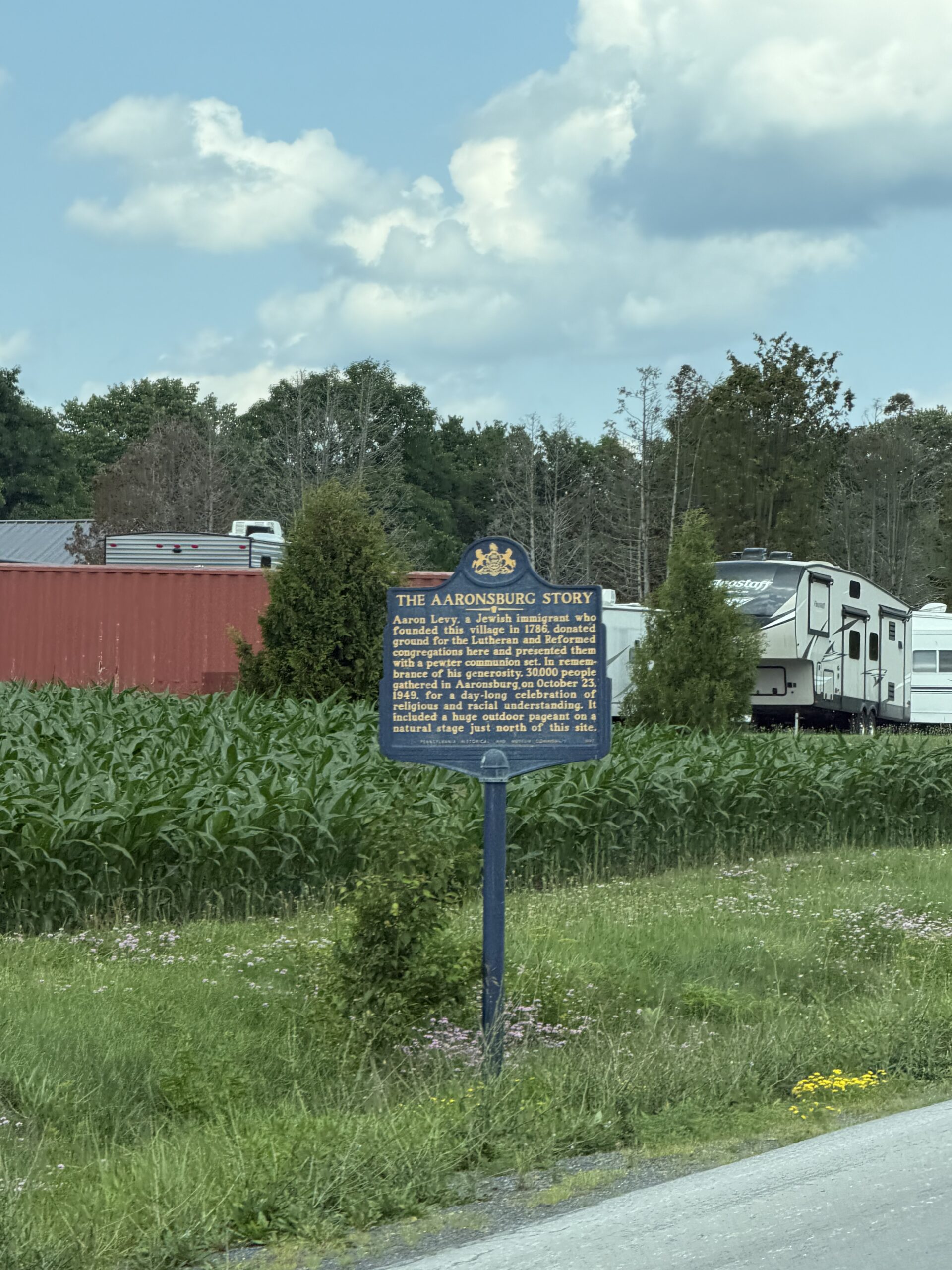
Stop #13 – The Aaronsburg Story

Aaron Levy, a Jewish immigrant who founded this village in 1786, donated ground for the Lutheran and Reformed congregations here and presented them with a pewter communion set. In remembrance of his generosity, 30,000 people gathered in Aaronsburg on October 23, 1949, for a day-long celebration of religious and racial understanding. It included a huge outdoor pageant on a natural stage just north of this site.


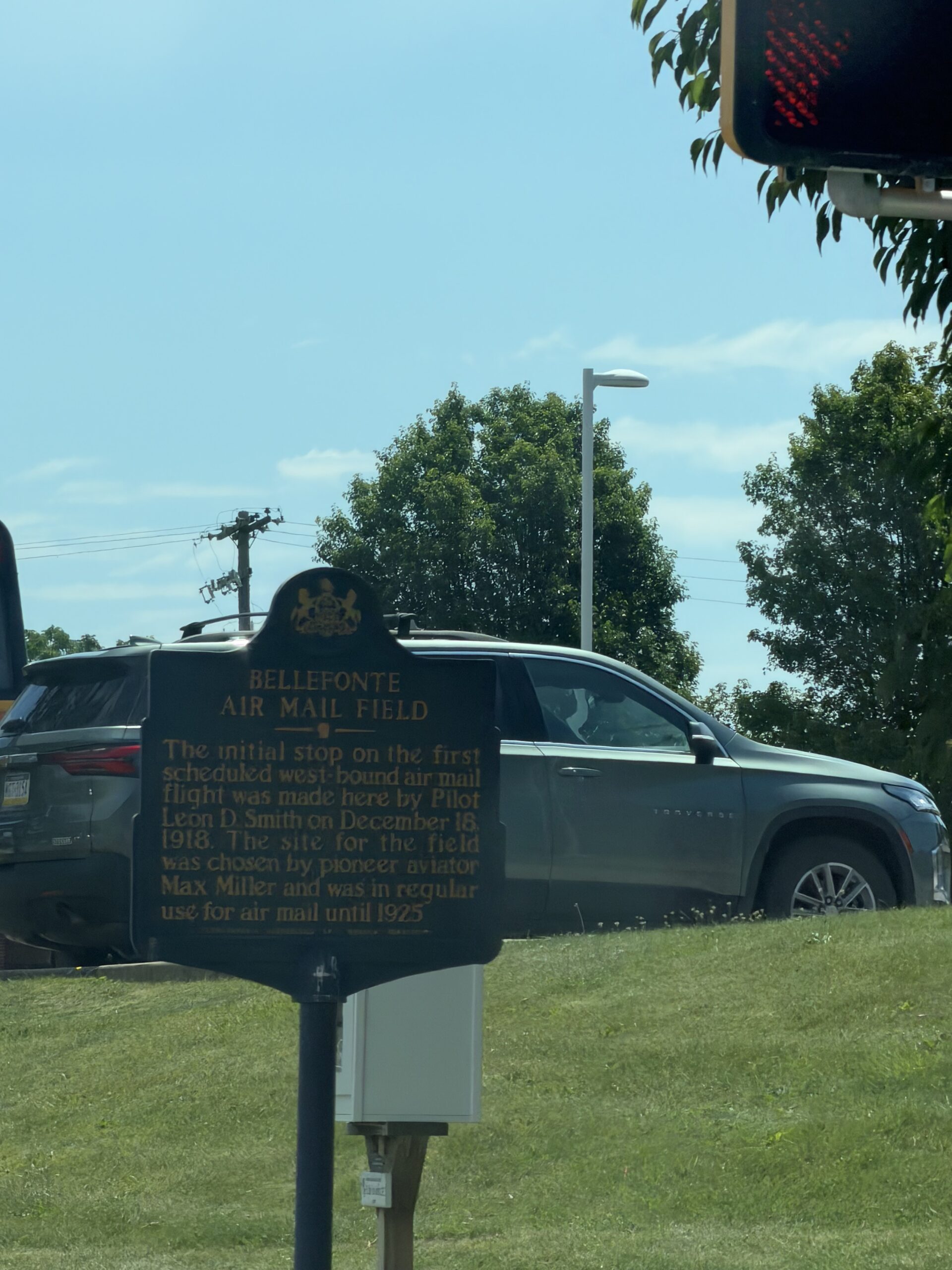
Stop #14 – Bellefonte Air Mail Field

The initial stop on the first scheduled west-bound air mail flight was made here by Pilot Leon D. Smith on December 18, 1918. The site for the field was chosen by pioneer aviator Max Miller and was in regular use for air mail until 1925.


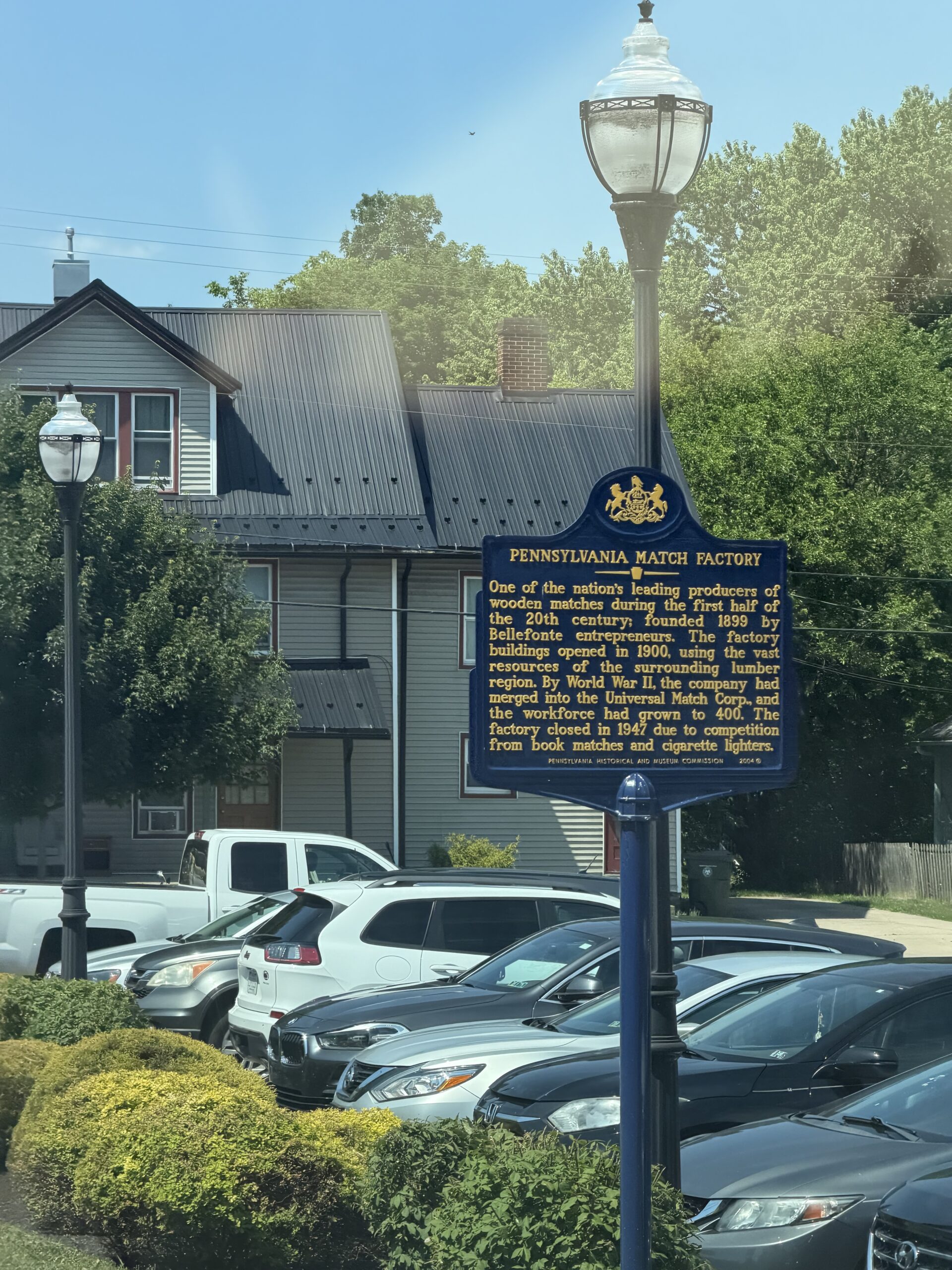
Stop #15 – Pennsylvania Match Factory

One of the nation’s leading producers of wooden matches during the first half of the 20th century; founded 1899 by Bellefonte entrepreneurs. The factory buildings opened in 1900, using the vast resources of the surrounding lumber region. By World War II, the company had merged into the Universal Match Corp., and the workforce had grown to 400. The factory closed in 1947 due to competition from book matches and cigarette lighters.


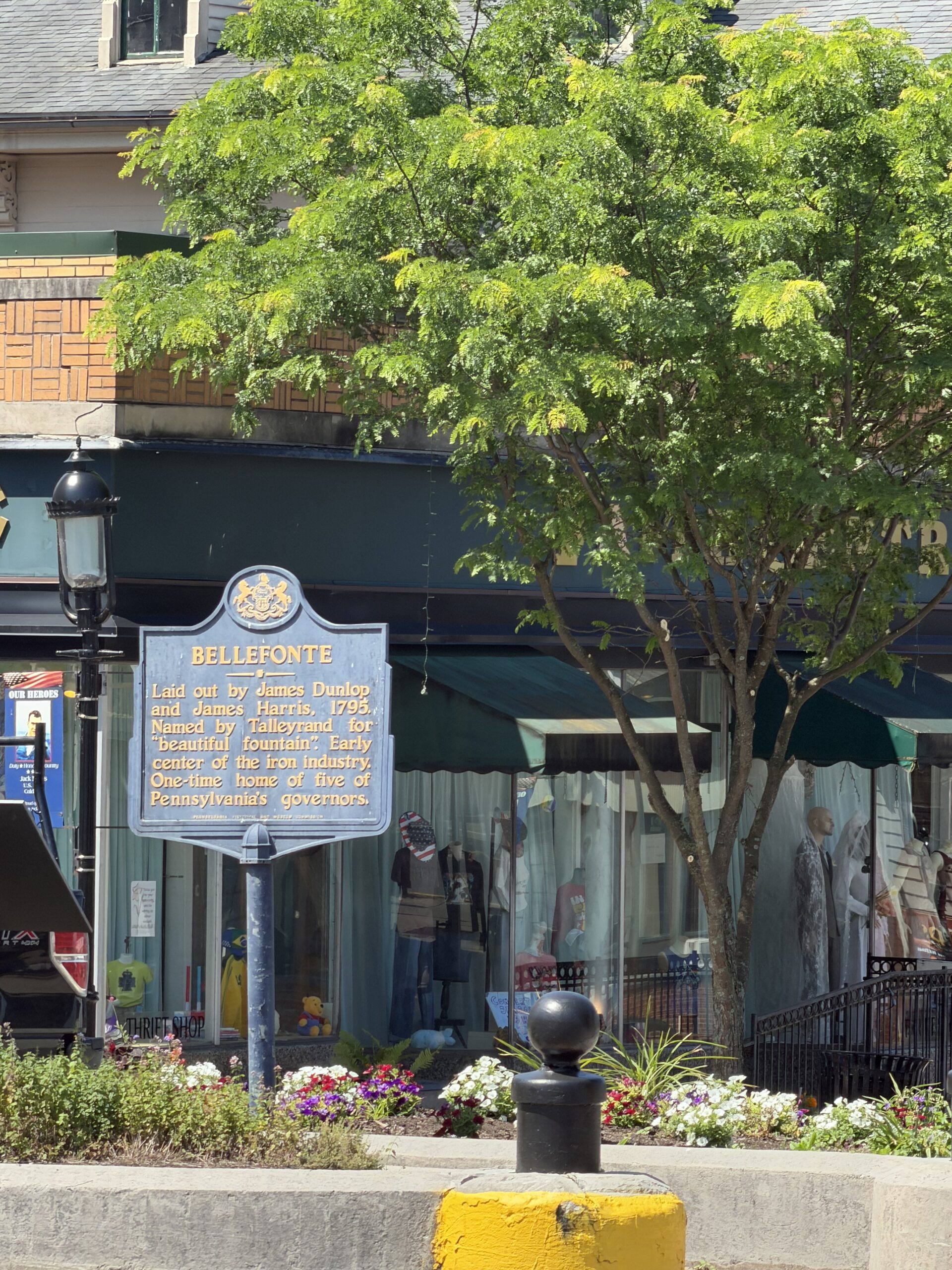
Stop #16 – Bellefonte

Laid out by James Dunlap and James Harris, 1795. Named by Talleyrand for “beautiful fountain.” Early center of the iron industry. One-time home of five of Pennsylvania’s governors.

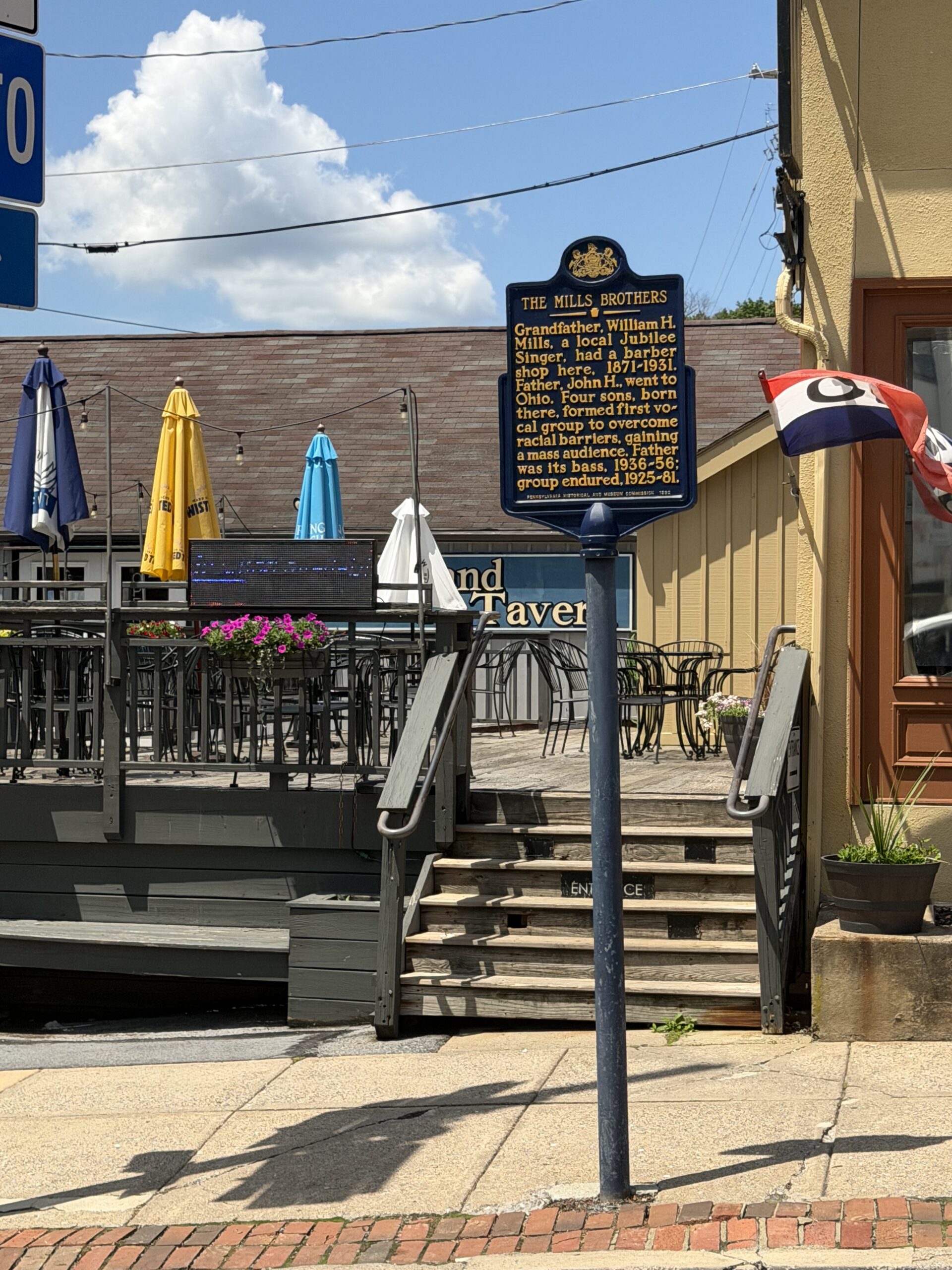
Stop #17 – The Mills Brothers

Grandfather, William H. Mills, a local Jubilee Singer, had a barber shop here, 1871-1931. Father, John H., went to Ohio. Four sons, born there, formed first vocal group to overcome racial barriers, gaining a mass audience. Father was its bass, 1936-56; group endured, 1925-81.

Discovering Lumber Hertitage Through History and Education

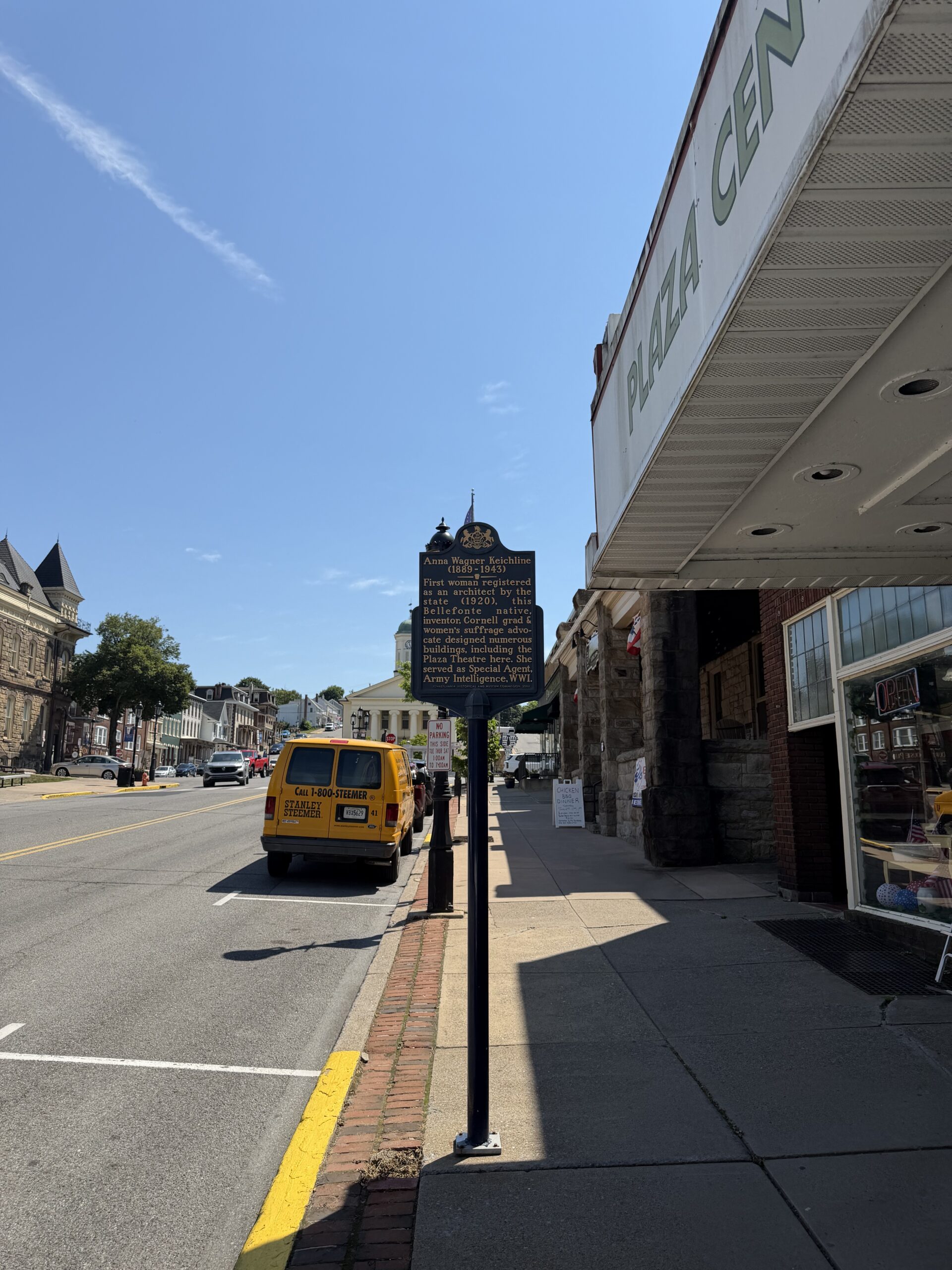
Stop #18 – Anna Wagner Keichline (1889-1943)

First woman registered as an architect by the state (1920), this Bellefonte native, inventor, Cornell grad & women’s suffrage advocate designed numerous buildings, including the Plaza Theatre here. She served as Special Agent, Army intelligence, WWI.\

Discovering Lumber Hertitage Through History and Education

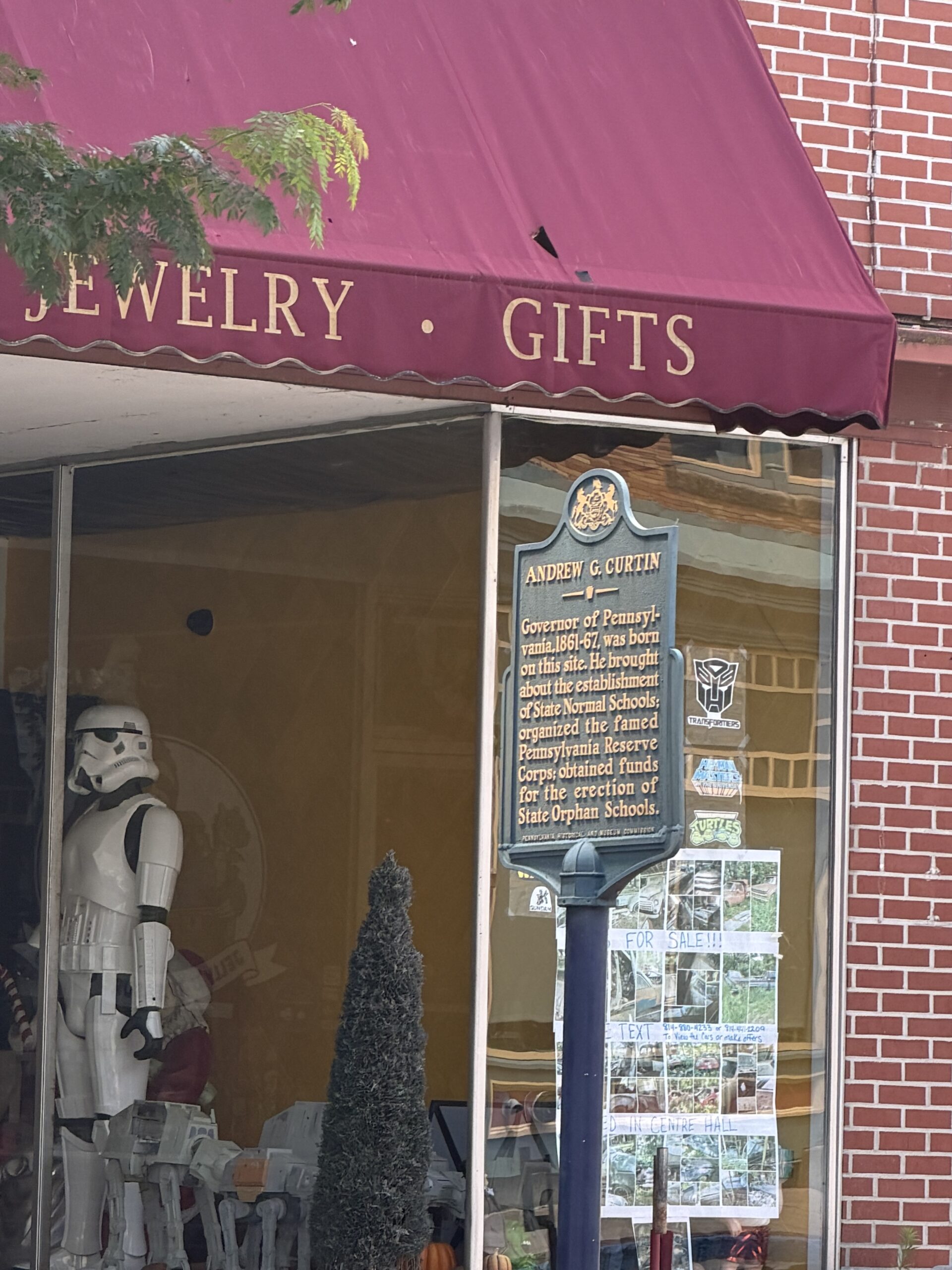
Stop #19 – Andrew G. Curtin

Governor of Pennsylvania, 1861-67, was born on this site. He brought about the establishment of State Normal Schools; organized the famed Pennsylvania Reserve Corps; obtained funds for the erection of State Orphan Schools.

Discovering Lumber Hertitage Through History and Education

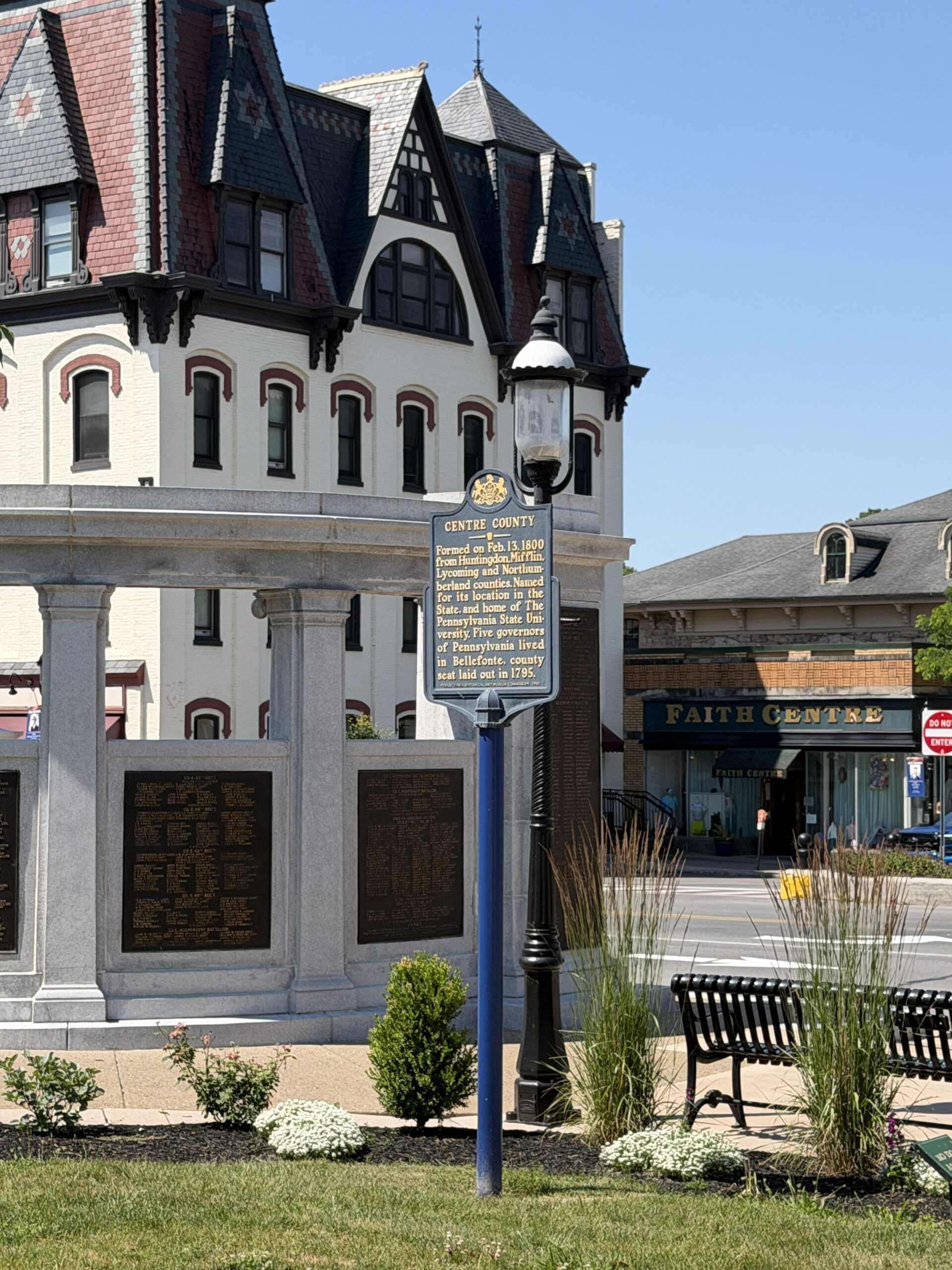
Stop #20 – Centre County

Formed on Feb. 13, 1800 from Huntingdon, Mifflin, Lycoming and Northumberland counties. Named for its location in the State, and home of The Pennsylvania State University. Five governors of Pennsylvania lived in Bellefonte, county seat laid out in 1795.

Discovering Lumber Hertitage Through History and Education

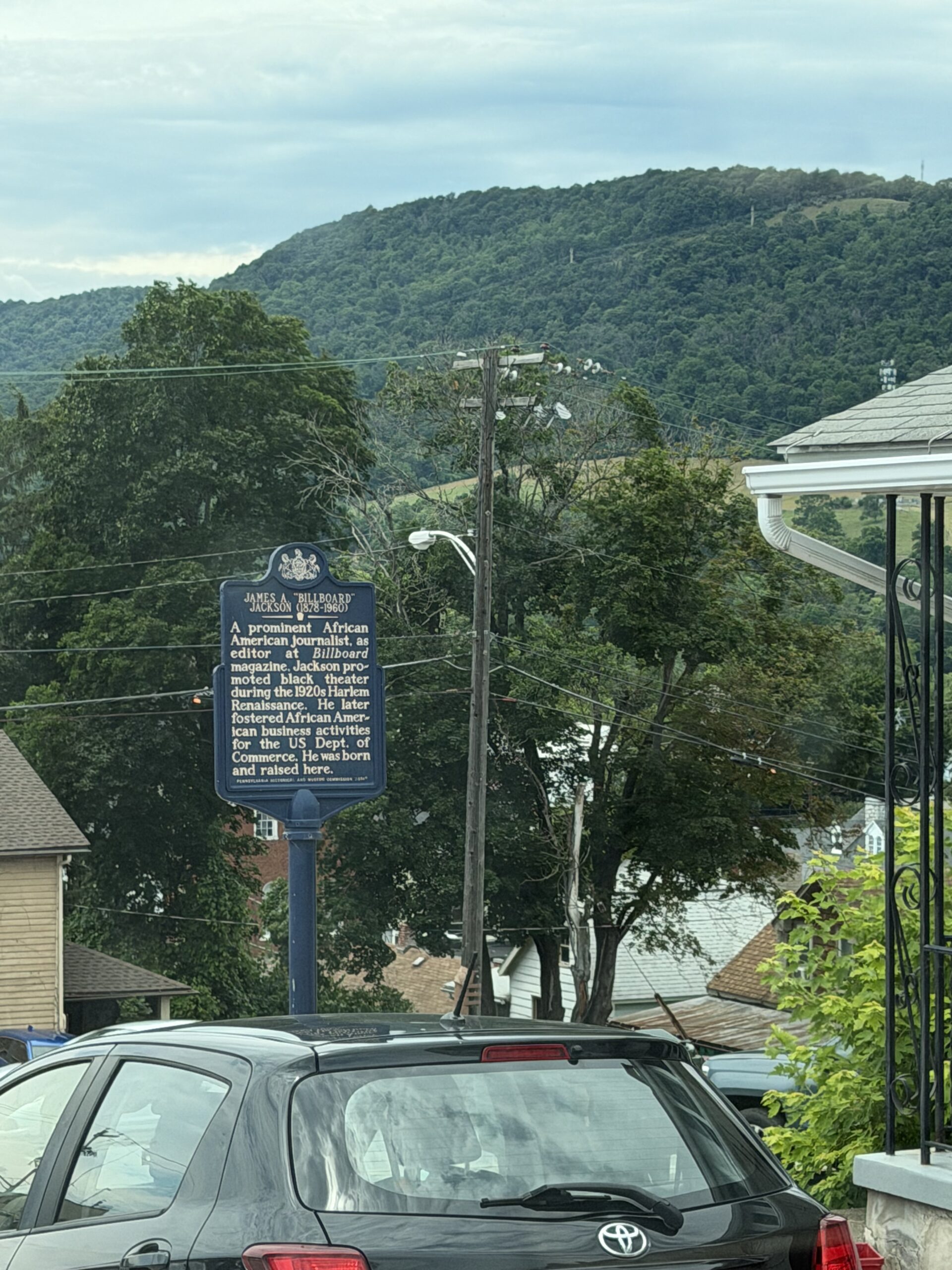
Stop #21 – James A. “Billboard” Jackson (1878-1960)

A prominent African American journalist, as editor at Billboard magazine, Jackson promoted black theater during the 1920s Harlem Renaissance. He later fostered African American business activities for the US Dept. of Commerce. He was born and raised here.


Stop #22 – Union Cemetery

First burial here as early as 1808. Cemetery chartered in 1856. Here lie three Governors of Pennsylvania and their wives — Andrew Gregg Curtin (1815-1894), who served 1861-67, and Katharine Wilson Curtin (1821-1903); James Addams Beaver (1837-1914), who served 1887-91, and Mary McAllister Beaver (1842-1926); Daniel Hartman Hastings (1849-1903), who served 1895-99, and Jane Rankin Hastings (1851-1937).


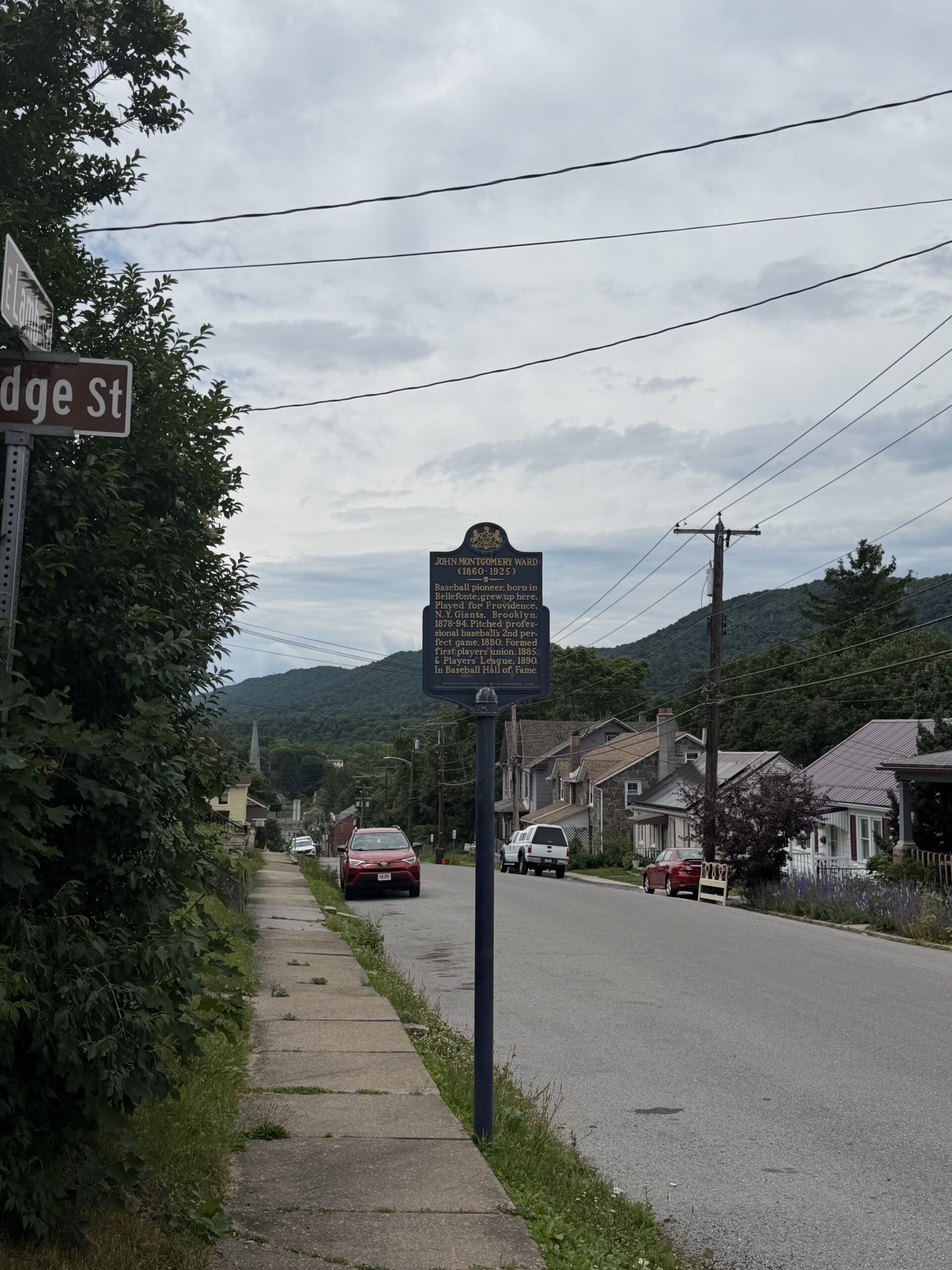
Stop #23 – John Montgomery Ward (1860-1925)

Baseball pioneer, born in Bellefonte, grew up here. Played for Providence, N.Y. Giants, Brooklyn, 1878-94. Pitched professional baseball’s 2nd perfect game, 1880. Formed first players ‘ union, 1885, & Players’ League, 1890. In Baseball Hall of Fame.


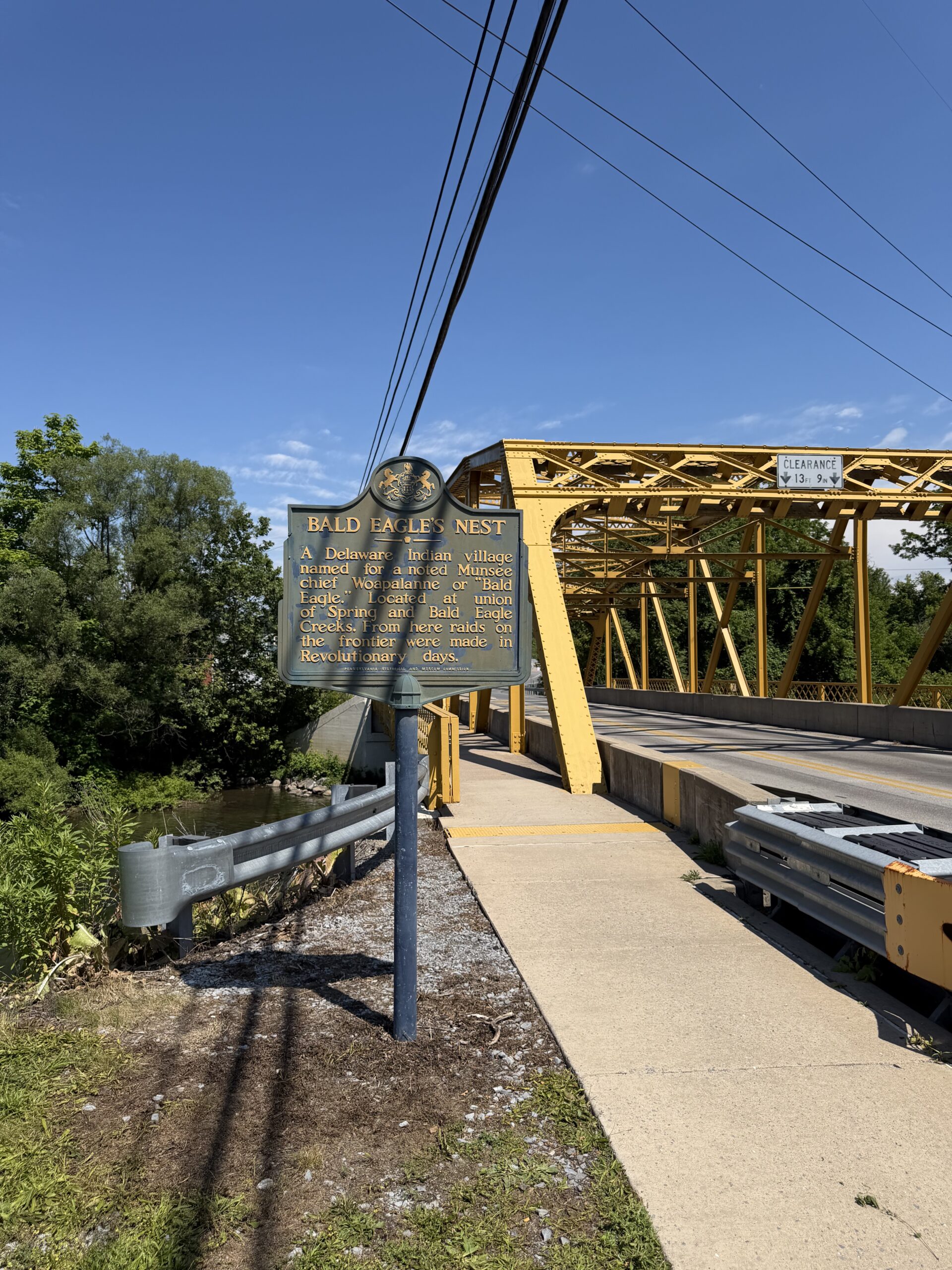
Stop #24 – Bald Eagle’s Nest

A Delaware Indian village named for a noted Munsee chief Woapalanne or “Bald Eagle.” Located at union of Spring and Bald Eagle Creeks. From here raids on the frontier were made in Revolutionary days.

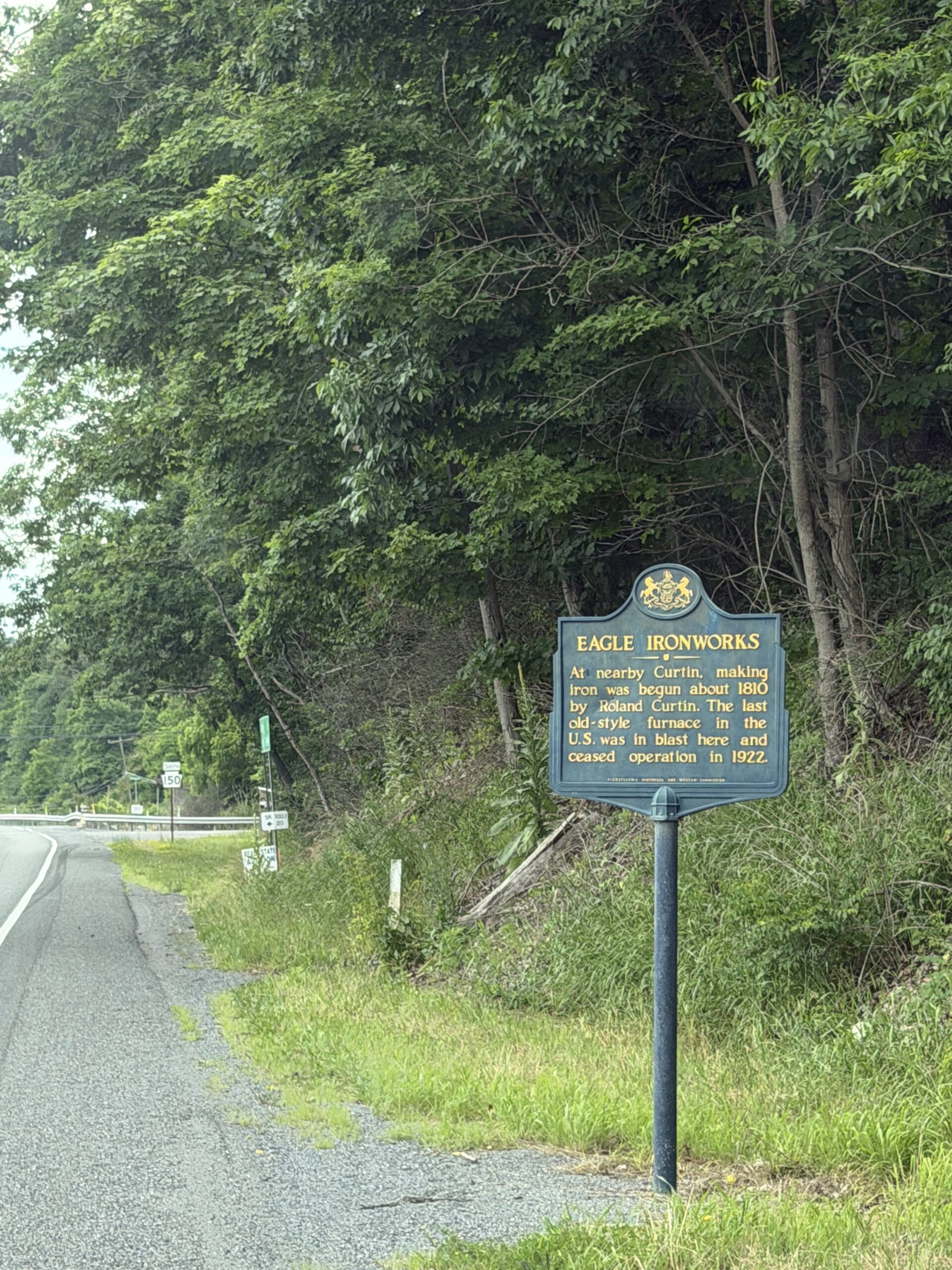
Stop #25 – Eagle Ironworks

At nearby Curtin, making iron was begun about 1810 by Roland Curtin. The last old-style furnace in the U.S. was in blast here and ceased operation in 1922.

Discovering Lumber Hertitage Through History and Education

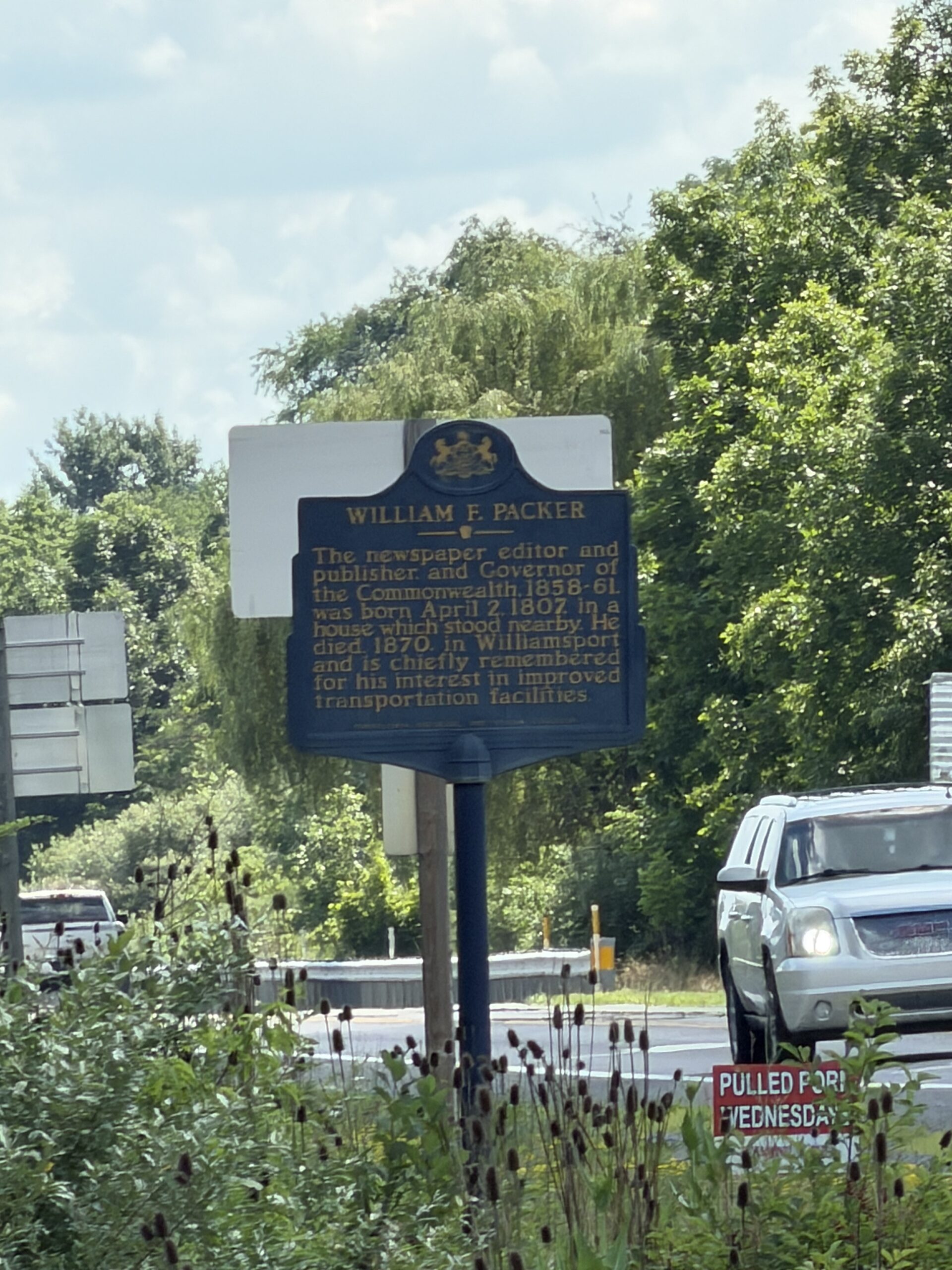
Stop #26 – William F. Packer

The newspaper editor and publisher, and Governor of the Commonwealth, 1858-61, was born April 2, 1807, in a house which stood nearby. He died, 1870, in Williamsport and is chiefly remembered for his interest in improved transportation facilities.

Discovering Lumber Hertitage Through History and Education

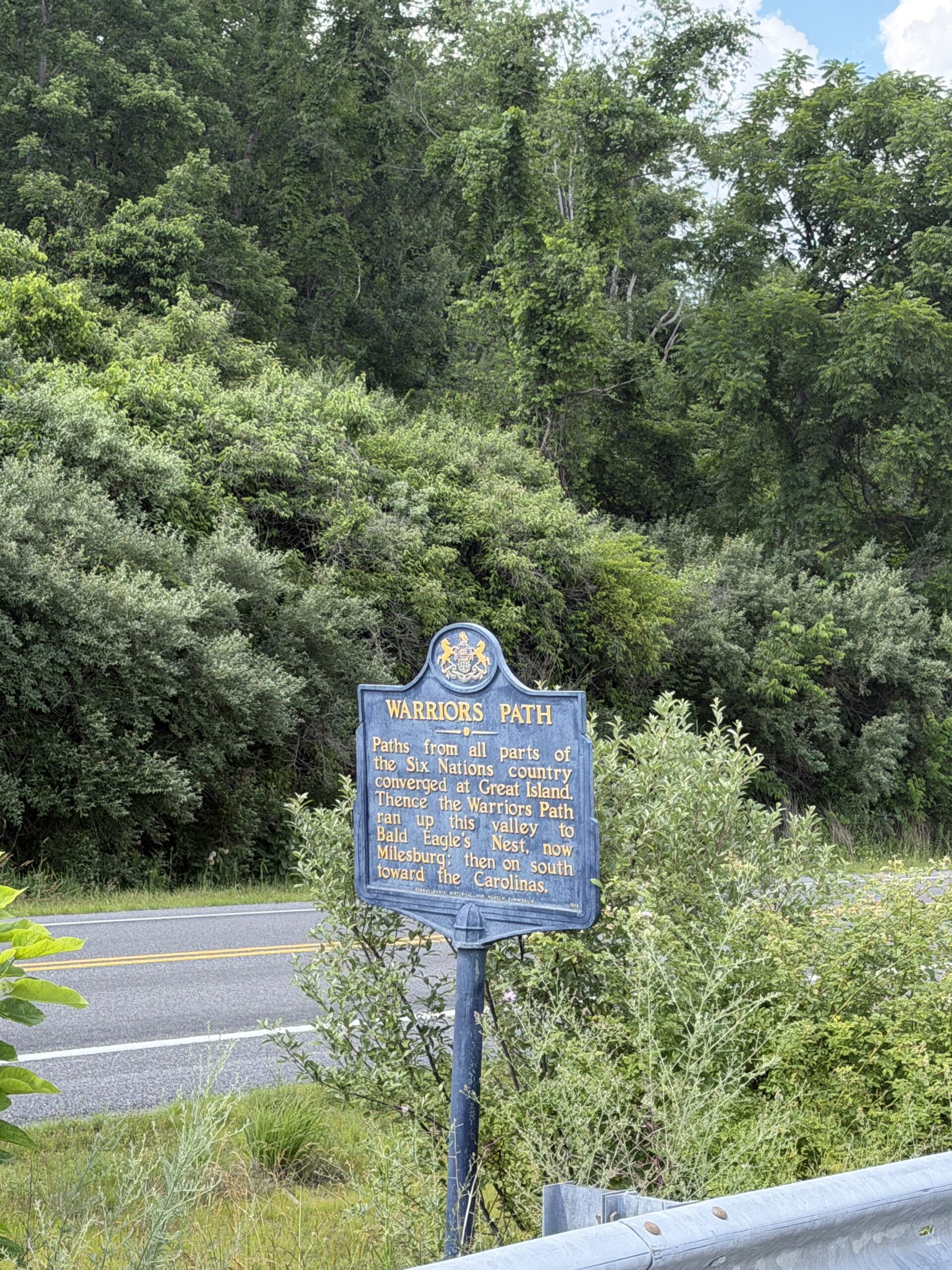
Stop #27 – Warriors Path

Paths from all parts of the Six Nations country converged at Great Island. Thence the Warriors Path ran up this valley to Bald Eagle”s Nest, now Milesburg; then on south toward the Carolinas.

Discovering Lumber Hertitage Through History and Education

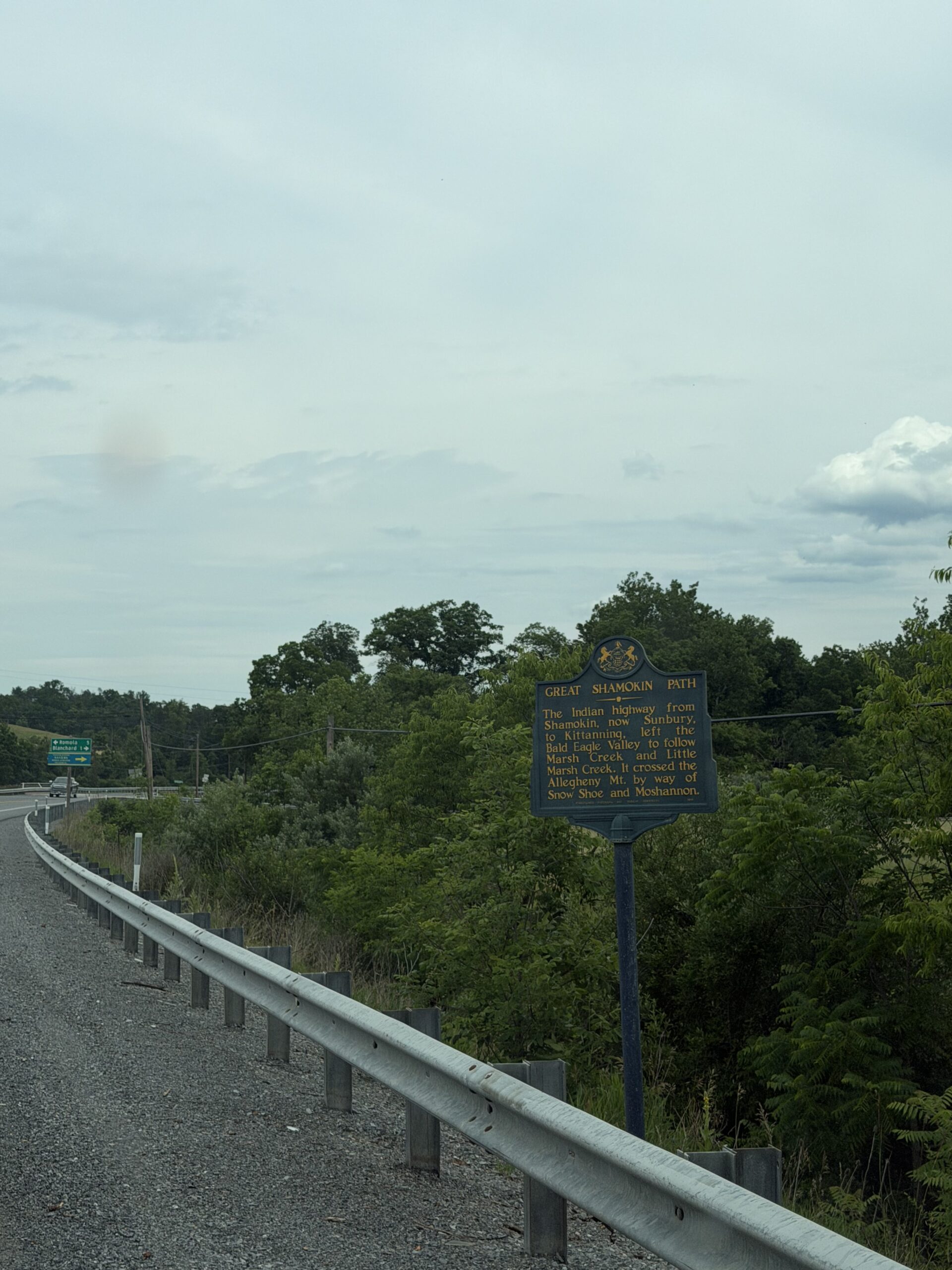
Stop #28 – Great Shamokin Path

The Indian highway from Shamokin, now Sunbury, to Kittanning, left the Bald Eagle Valley to follow Marsh Creek and Little Marsh Creek. It crossed the Allegheny Mt. by way of Snow Shoe and Moshannon.

Discovering Lumber Hertitage Through History and Education

Follow Us on Instagram