Visit / PA Historical Marker Trail

Elk County

Elk County

Quick Story

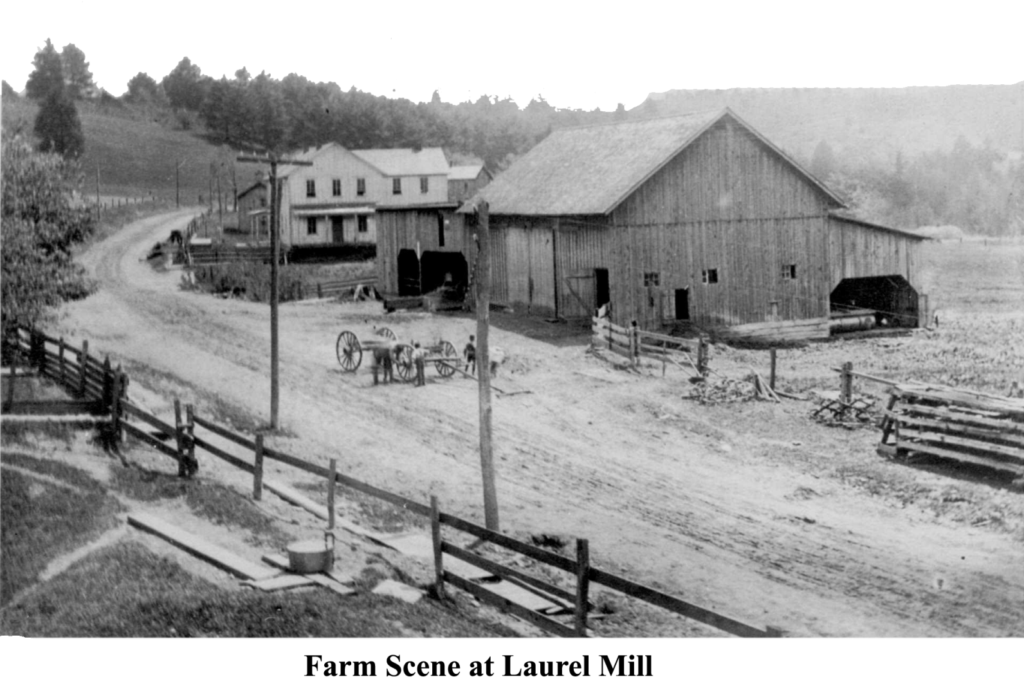
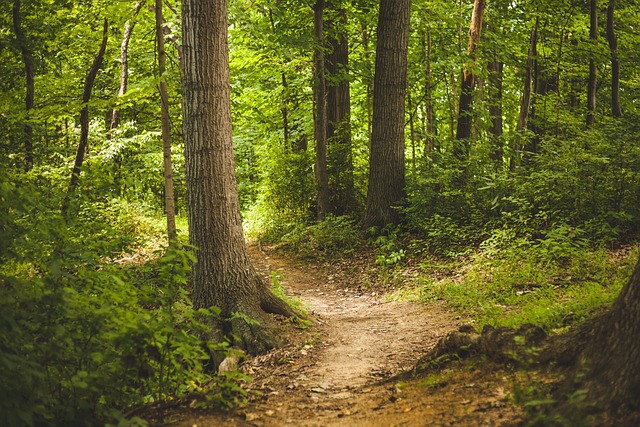
The forests of Elk County have supported both wildlife and hardworking communities for generations. During Pennsylvania’s lumber era, timber helped shape the county’s development, while today’s protected forests preserve much of the natural beauty that first attracted settlers and industry alike.

Why This Marker Is Significant

Elk County’s historical markers reflect the relationship between its natural landscapes and the communities that grew within them. They preserve stories of conservation, industry, and local heritage that continue to shape the county today.

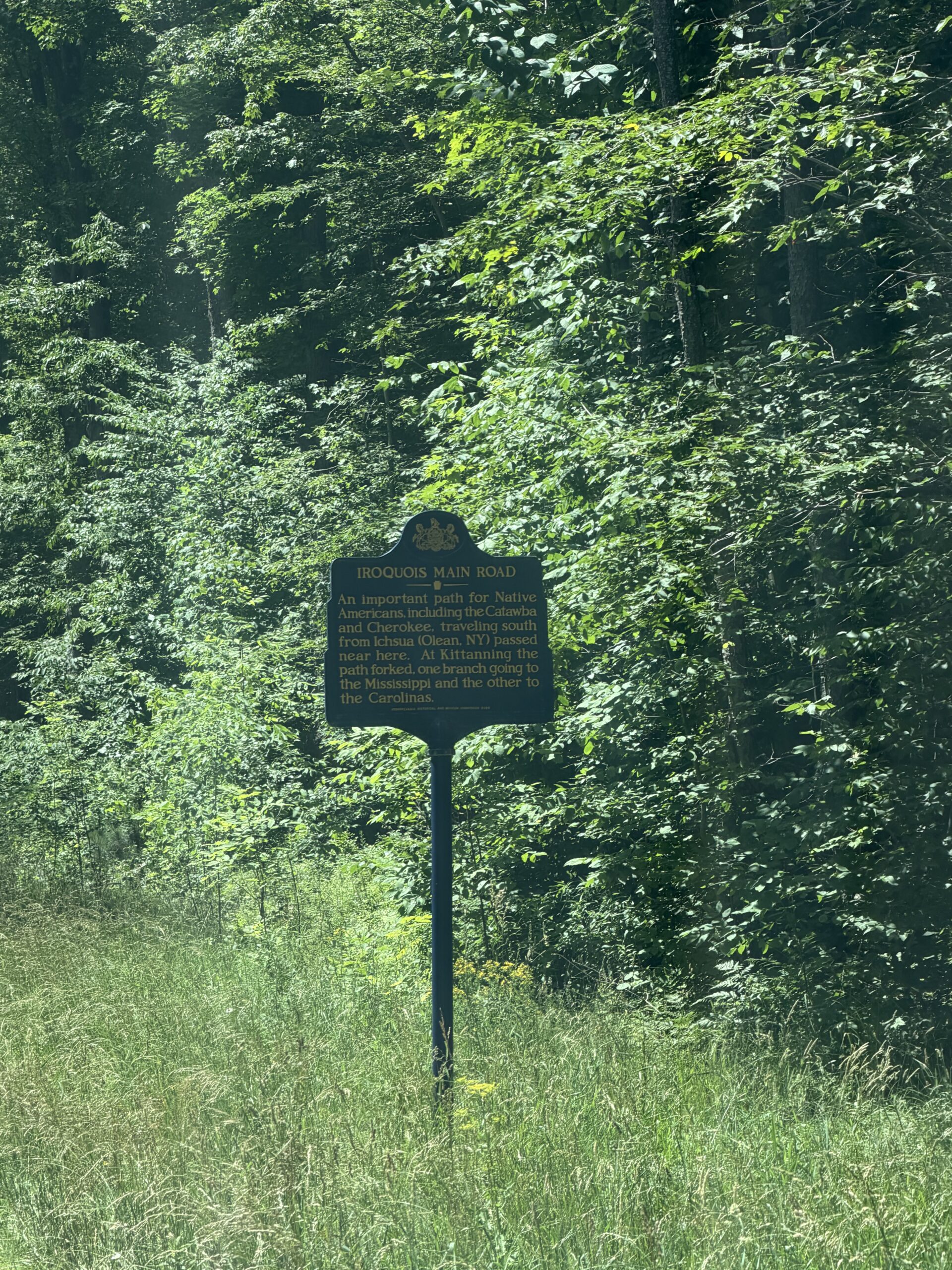
Stop #1 – Iroquois “Main Road”

An important path for Native Americans, including the Catawba and Cherokee, traveling south from Ichsua (Olean, NY) passed near here. At Kittanning the path forked, one branch going to the Mississippi and the other to the Carolinas.

Click here for directions
Discovering Lumber Hertitage Through History and Education

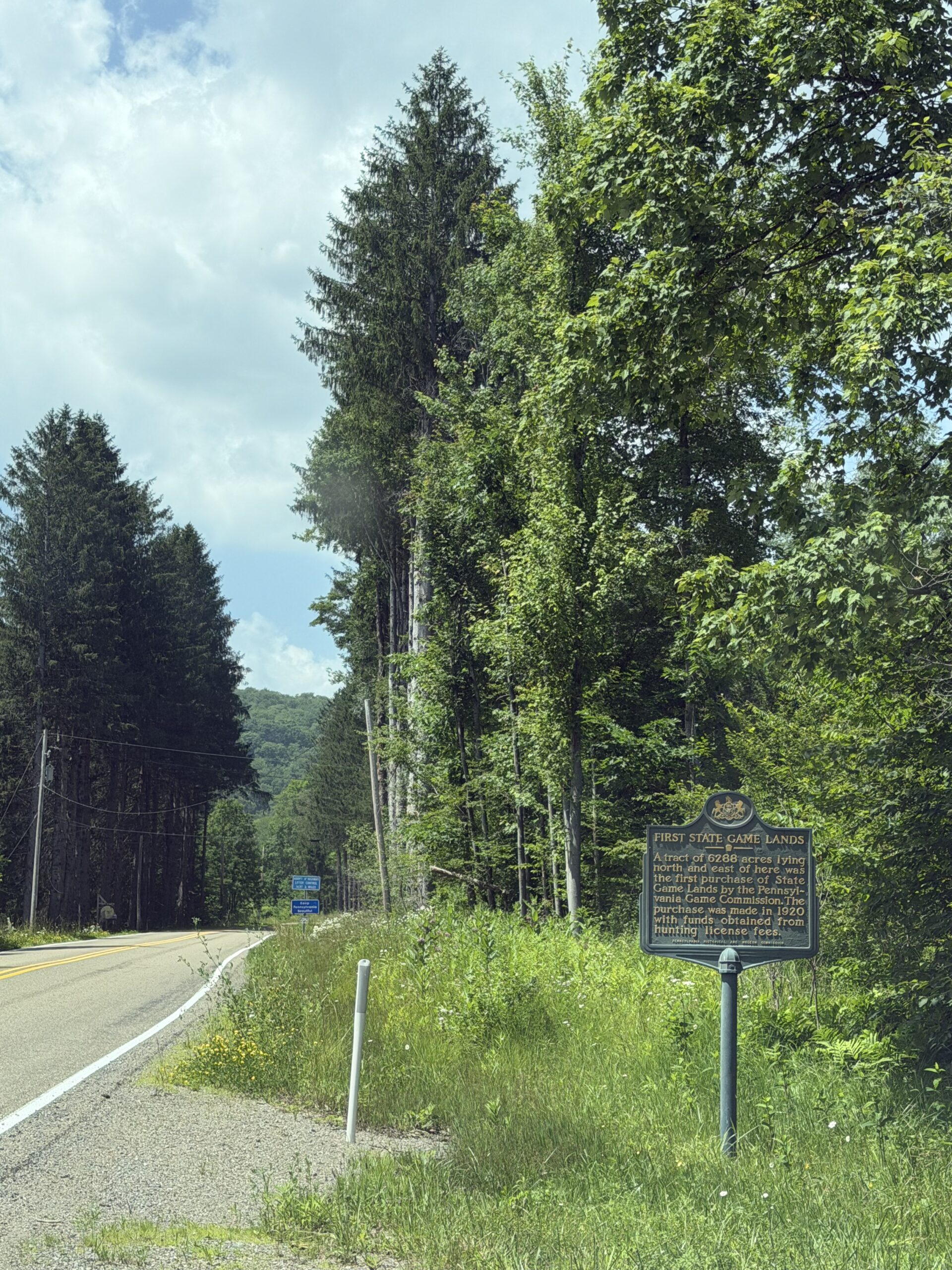
Stop #2 – First State Game Lands

A tract of 6288 acres lying north and east of here was the first purchase of State Game Lands by the Pennsylvania Game Commission. The purchase was made in 1920 with funds obtained from hunting license fees.

Click here for directions
Discovering Lumber Hertitage Through History and Education

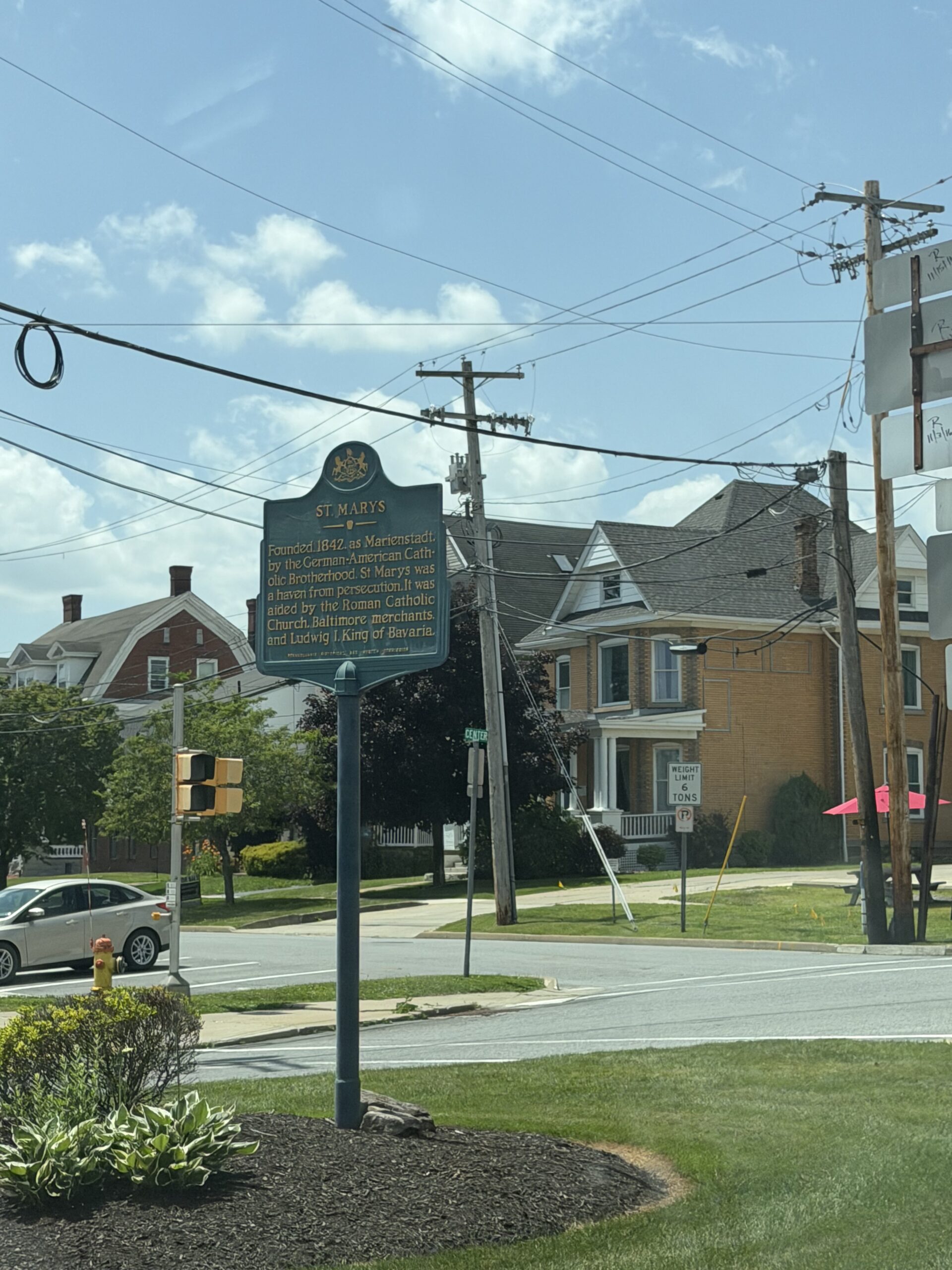
Stop #3 – St. Marys

Founded, 1842, as Marienstadt, by the German-American Catholic Brotherhood, St. Marys was a haven from persecution. It was aided by the Roman Catholic Church, Baltimore merchants, and Ludwig I, King of Bavaria.

Click here for directions
Discovering Lumber Hertitage Through History and Education

Stop #4 – Elk County

Formed April 18, 1843 from parts of McKean, Clearfield and Jefferson counties. Named for the large elk herd that roamed the area. First State Game Lands established in Pennsylvania, in 1920, are here. The county seat, Ridgway, was settled in 1824.

Click here for directions
Discovering Lumber Hertitage Through History and Education

Follow Us on Instagram